10 Best Footmuffs for Winter
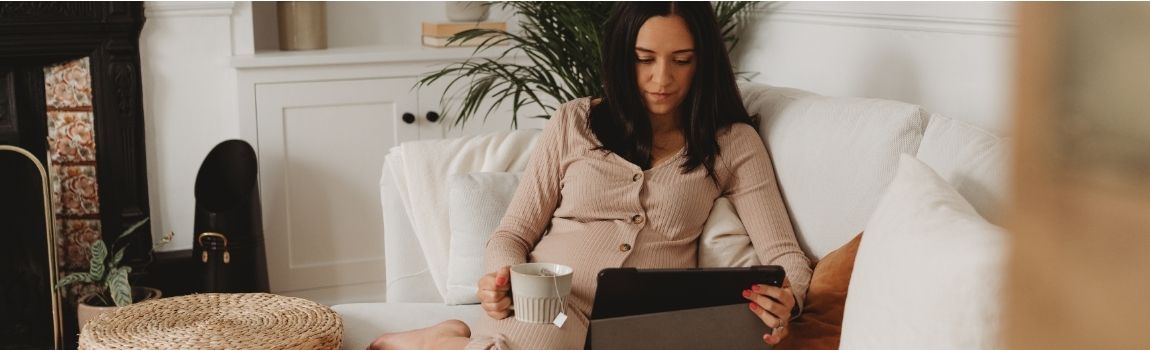
The first properly cold school-run morning tends to settle it - if your little one is kicking off blankets before you have reached the end of the road, a footmuff stops feeling like a nice extra and starts feeling essential. The best footmuffs for winter keep baby warm without constant readjusting, and they make everyday pushchair travel noticeably easier when the weather turns.
For many parents, the challenge is not whether to buy one, but which kind makes sense for real life. Some need a slimline option for milder autumn days that can carry through winter with layers underneath. Others want full cocoon-style warmth for frosty walks, nursery drop-offs and weekend outings. If you are choosing once and hoping to get it right first time, it helps to know what actually matters beyond the fabric and the colour.
What makes the best footmuffs for winter?
A good winter footmuff does three jobs at once. It keeps warmth in, helps protect against wind and light rain, and stays securely attached to the pushchair so it does not slip down every time your child wriggles. That sounds simple, but the difference between an average model and a well-designed one is obvious after a few outings.
Insulation is usually the first thing parents look at, and rightly so. Plush fleece linings, quilted padding and softly brushed interiors all add warmth, but more is not always better. If your baby runs warm, or you use your pushchair for quick local trips rather than long outdoor walks, an ultra-thick footmuff can feel excessive. For colder babies, winter-born newborns or families who spend a lot of time outside, a more generously padded style can be well worth it.
The outer fabric matters just as much. Water-resistant finishes are particularly useful in the UK, where winter often means drizzle, damp pavements and muddy park paths rather than crisp, dry snow. A showerproof shell will not replace a full rain cover, but it does help keep the footmuff comfortable and practical between weather changes.
Fit is another big factor. The best footmuffs for winter should work with your pushchair harness cleanly and securely, with openings that allow straps to sit properly rather than bunching awkwardly. Universal styles can be very convenient, especially if you switch between pushchairs or want flexibility, but model-specific designs can offer a more tailored fit and a neater overall look.
Choosing for your lifestyle, not just the season
Winter means different things to different families. If most of your outings involve popping to the shops, getting to baby classes or walking older siblings to school, ease matters. You may want a footmuff that opens quickly, wipes clean easily and lets you get baby in and out without a struggle.
If you are out for longer periods, perhaps with a baby who naps in the pushchair, warmth and weather protection move higher up the list. A footmuff with a snug hooded top, adjustable opening and a well-insulated lower section will feel more supportive on longer walks. For toddlers, you may also appreciate a design with a dirt-resistant foot area, since shoes have a habit of finding the cleanest lining almost immediately.
This is where premium designs often justify the investment. Better materials, more thoughtful zips, cleaner harness access and machine-washable fabrics do not just look nicer - they hold up better through a full season of use. For families who plan to use the same footmuff for more than one child, durability becomes part of the value.
Best footmuffs for winter by type
For newborns and younger babies
Newborns need warmth, but they also need careful temperature management. A soft, well-padded footmuff with breathable materials tends to be the best balance. Look for options that feel cosy without being overly bulky, especially if your baby is still in those early months when layering can be adjusted easily with a cardigan, pramsuit or blanket if needed.
A snug, cocooning shape can work beautifully here, particularly in carrycots and lie-flat pushchair setups. The key is comfort without overheating. If the lining feels heavy and the opening does not allow for ventilation on milder days, it may be less versatile than it first appears.
For toddlers on the move
Toddlers are a different brief entirely. They climb in and out, snack on the go, bring in muddy shoes and usually object if anything feels restrictive. For this age group, the best winter footmuffs tend to have practical design details: easy front openings, wipe-clean lower panels and enough room to move without losing warmth.
You might also prefer a style that can zip down or fold back at the top. That way, if you head indoors for coffee or pop into the supermarket, your child does not become too warm too quickly.
For everyday city use
If your pushchair is part of daily life in town or on public transport, bulk can become a nuisance. A footmuff that is warm but not oversized often works best, especially when you are folding and unfolding your buggy regularly. A smarter, more streamlined silhouette also tends to suit compact pushchairs better.
For colder weather and longer walks
Families who spend a lot of time outdoors usually benefit from a more technical, insulated style. These designs often feature thicker padding, weather-resistant exteriors and a more enclosed shape that helps keep draughts out. They can feel especially useful if you live in a colder part of the UK or rely on the pushchair every day through the winter months.
The features worth paying attention to
The easiest way to narrow the category is to ignore the marketing phrases and focus on the details you will actually use. Harness compatibility should be near the top of the list. If fitting it feels fiddly from day one, it is unlikely to improve.
Zip design is another detail that makes a surprising difference. Two-way zips are helpful because they let you open the lower section for ventilation or muddy shoes without exposing your child fully. Removable front panels are also useful, particularly in spring and autumn when temperatures shift through the day.
Fabric care matters more than it seems at checkout. Cream teddy linings and beautifully quilted finishes look lovely, but if they cannot be washed easily, they may stop feeling premium by February. Parents who use their pushchair daily often get the most value from machine-washable options with hard-wearing outer fabrics.
Sustainability may also shape your choice. Many families are now looking for recycled materials, longer-lasting construction and products that can be handed down rather than replaced every season. In a category like this, where quality has a direct impact on longevity, buying better can be the more sustainable route.
What to check before you buy
Before choosing a footmuff, take a moment to think about your pushchair itself. Seat shape, harness style and fold mechanism can all affect how neatly a footmuff fits. A universal model may suit you perfectly, but if you are using a premium pushchair every day, a coordinated fit can be worth the extra consideration.
It is also worth thinking about when you want to start using it. Some parents buy specifically for deep winter. Others prefer something versatile enough to work from autumn into early spring. If you want longer use, look for adjustable openings, removable layers and breathable lining materials rather than maximum thickness alone.
And do not forget your baby's clothing. A very warm footmuff usually means you can keep outfits simpler underneath. That can actually make getting out of the house faster, especially with younger babies who dislike being bundled into multiple layers.
Are expensive footmuffs worth it?
Sometimes yes, sometimes not. If your footmuff will be used most days for several months, premium construction can absolutely pay off in comfort, appearance and durability. Better-quality zips, softer linings and a fit that works properly with your pushchair all add up over time.
If you only use the pushchair occasionally in winter, a simpler option may be enough. The trick is being honest about your routine. Buying the warmest, most feature-heavy style on the market is not automatically the smartest choice if your baby mostly travels by car and only uses the pushchair for short errands.
For many parents, the sweet spot is a thoughtfully designed mid-to-premium footmuff that feels polished, practical and versatile across changing weather. That is often where curated retailers such as Natural Baby Shower are especially helpful, because the edit is designed to reduce the overwhelm and bring the strongest options to the surface.
Finding the right winter footmuff for your family
The best choice is usually the one that suits your pushchair, your climate and your day-to-day routine - not simply the thickest or most expensive model available. Warmth matters, but so do fit, ease of use and how well the design works once real parenting life gets hold of it.
A good footmuff should make winter outings feel simpler. You should be able to head out knowing your little one is cosy, comfortable and properly tucked in, whether you are walking through the park, catching up over coffee or racing through a rainy nursery drop-off. Choose with that moment in mind, and the right one tends to become obvious.
Explore more articles