


Travel System vs Stroller: Which Suits You?
Travel System vs Stroller: Which Suits You?
That first big travel purchase tends to arrive with a familiar question: travel system vs pushchair. It sounds simple until you picture real life - school runs in the rain, a sleeping newborn transferred from car to pushchair, a tiny hallway, a boot already full of groceries.
The right choice is less about what looks best in a product photo and more about how your family will move through the week. For some parents, a travel system is the answer from day one. For others, a standalone pushchair is the smarter, lighter, longer-lasting buy.
The difference matters because this is one of those nursery purchases you will use constantly, often when you are tired, in a hurry, or carrying far more than you planned.
Travel system vs pushchair: what is the actual difference?
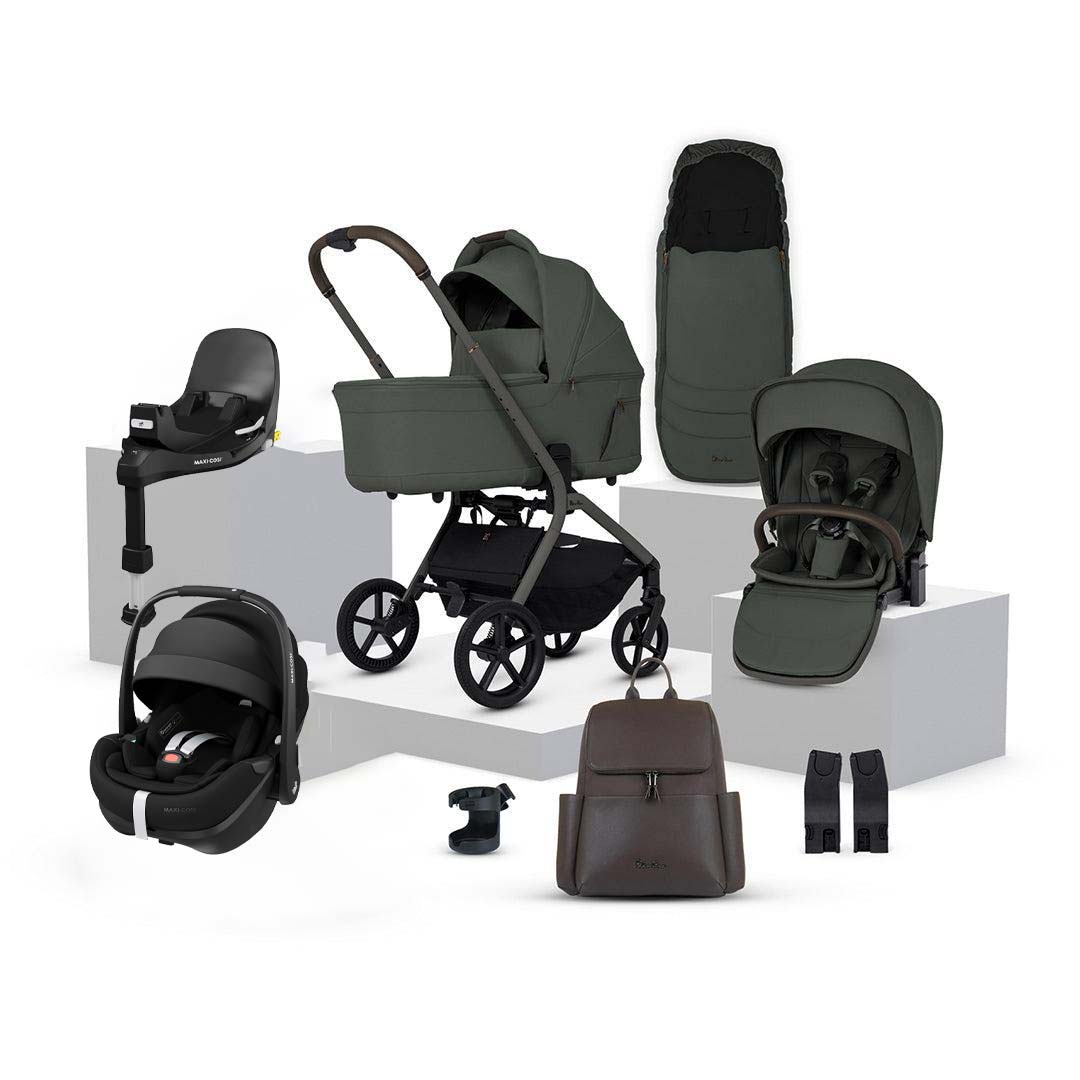
A travel system is usually a pushchair chassis that works with an infant car seat, often with adapters, and sometimes includes a carrycot or seat unit as part of the bundle. Its biggest appeal is continuity. You can move a sleeping baby from car to frame without unbuckling, repositioning or starting over.
A pushchair, in the broad sense most parents use it, is a pushchair designed primarily for walking rather than as a car-to-pushchair system. Some are suitable from birth, especially if they fully recline or take a carrycot, while others are better once your baby has stronger head and neck control.
Pushchairs are often simpler, lighter and easier to fold, though that varies by model. In practice, the decision is often between a more complete newborn travel set-up and a more streamlined pushchair for everyday use.
When a travel system makes more sense
If you drive regularly, a travel system can feel like one of the most useful purchases you make. Short errands become easier because you are not waking a baby just to pop into the chemist or collect an older sibling. That convenience is especially valuable in the newborn months, when timing a nap can shape your entire day.
Travel systems also suit parents who want a coordinated set-up from the beginning. The car seat, chassis and seat unit are designed to work together, which takes some of the guesswork out of compatibility.
For first-time parents, that can be a real relief. There is also a practical value in buying for the full early journey. Many travel systems cover multiple stages, starting with car seat and carrycot, then moving into a reversible seat unit as your baby grows. If you prefer to buy once, buy well and avoid piecing together separate products later, this route often feels more considered.
That said, the convenience comes with trade-offs. Travel systems are often bulkier than simpler pushchairs, and bundled packages can cost more upfront. If you rarely use the car, you may end up paying for flexibility you do not actually need.
When a pushchair is the better buy
A pushchair often wins on ease. It may be lighter to lift, quicker to fold, and easier to store in a smaller home or hallway cupboard. If most of your journeys are on foot, by train, or in and out of cafés and tight shops, a compact pushchair can make daily life feel much less cumbersome.
There is also the longevity factor. Some parents skip the full travel system because they know they want a lightweight, easy-fold pushchair they will still love using in toddlerhood. A well-chosen pushchair can carry you through a surprisingly long stretch of family life, particularly if you are not dependent on car seat compatibility every day. Budget can play a part too.
While premium pushchairs can still be a significant investment, choosing a pushchair instead of a full travel system may help you focus spending on the features that matter most to you, whether that is suspension, one-hand fold, basket space or fabric quality. The key question is newborn suitability.
Not every pushchair is ideal from birth, so this is the detail worth checking carefully. A flatter recline, proper support and compatibility with a carrycot can make all the difference in those early months.

Travel system vs pushchair for newborn life
Newborn stage is where this decision tends to feel most loaded. If your baby will spend a lot of time in the car, a travel system usually offers the most practical start. It supports those short, necessary journeys when convenience matters and everyone is still adjusting.
But newborns also benefit from lying flat for walks, which is why many parents use a carrycot rather than relying on the car seat attachment for longer periods. This is an important distinction.
A car seat is designed for safety in the car, not as the default place for a baby to spend extended time out and about. A pushchair can work beautifully from birth too, provided it offers a truly suitable newborn set-up.
For families who walk most places and want something less bulky, that can be the more elegant choice.
Think about your home before you think about the wheels
One of the easiest mistakes is shopping for the dream park walk and forgetting the reality of your front door. Narrow corridors, shared entrances, steep steps and a small car boot will shape your experience far more than a showroom spin.
A travel system may be worth every penny if it fits your storage and your routine. If it feels heavy before you have even packed the changing bag, that is useful information. Likewise, a pushchair that folds neatly and lifts easily can become invaluable if you are carrying it upstairs or in and out of the car every day. Parents in cities often prioritise compact folding and manoeuvrability.
Families in rural areas may care more about larger wheels, suspension and sturdiness on uneven ground. Neither is better - it simply depends on where your week actually happens.
Cost, longevity and what represents better value
The cheaper option is not always the better-value one, and the more expensive bundle is not always the smarter buy. A travel system can represent strong value if you will use each piece regularly across the first year or more. Buying a coordinated set may also feel simpler when you are trying to avoid decision fatigue.
A pushchair may be better value if it matches your lifestyle more closely and avoids paying for extras that would sit unused. Some families prefer to invest in a high-quality pushchair and choose their car seat separately, particularly if they want flexibility around brands or specific travel features.
If sustainability matters to your buying decisions, longevity becomes even more important.
Choosing a product that genuinely suits your routine means it is more likely to be used well, kept longer and potentially passed on or resold when your family outgrows it. That is often a more thoughtful approach than buying the most feature-heavy option by default.

Features worth prioritising
Rather than focusing only on category, look closely at the details that shape daily use. A generous basket sounds minor until you are balancing nappies, snacks and a supermarket stop.
A one-hand fold becomes far more appealing when you are holding a baby. Adjustable handle height matters if both parents are using it, especially if there is a noticeable difference in height. Fabric quality, hood coverage and seat comfort also deserve attention, particularly if you want a premium pushchair that looks as considered as the rest of your nursery choices.
For many families, design matters, but only when paired with genuine practicality. If you are comparing options within a curated retailer such as Natural Baby Shower, this is where edited ranges can help.
Instead of scrolling endlessly, you can focus on products that already meet a higher bar for safety, design and everyday functionality.
So, which should you choose?
Choose a travel system if you drive often, want a complete newborn-ready set-up and value the convenience of moving between car and pushchair with minimal disruption. It is often the right fit for first-time parents who want clarity and compatibility from the start.
Choose a pushchair if your priority is a lighter, simpler pushchair for everyday use, especially if you mostly walk or use public transport. It can also be the stronger option if storage is tight and you want something that feels easy well beyond the newborn stage. There is no universally correct answer, only the one that suits your home, your journeys and your appetite for carrying extra kit.
The best travel choice is the one that still feels right on an ordinary Wednesday, not just the one that sounds good on paper.
Before you decide, picture the unglamorous moments - the rushed nursery drop-off, the rainy pavement, the folded chassis in a crowded boot. That is usually where the right answer becomes clear.


