


Pregnancy Pillow for Hip Pain: What Helps?
Pregnancy Pillow for Hip Pain: What Helps?
Waking up with aching hips can turn bedtime into something you dread, especially once your bump starts changing the way you naturally sleep.
If you are searching for a pregnancy pillow for hip pain, the goal is not simply adding more cushioning - it is creating better alignment through the waist, pelvis, knees and lower back so pressure is not settling in one place all night.
Hip pain in pregnancy is common, but that does not make it any less exhausting.
For many parents-to-be, discomfort starts as a dull ache when lying on one side and gradually becomes the reason they wake, roll over, and then struggle to settle again.
A well-chosen pillow can make a noticeable difference, but only when it suits your sleep style, body shape and the kind of support you actually need.
Why hip pain often gets worse at night
During pregnancy, your body is doing several things at once. Hormones such as relaxin help loosen ligaments in preparation for birth, while your centre of gravity shifts as your bump grows.
That combination can affect posture, pelvic stability and the way weight travels through the hips when you lie down. Side sleeping is often the most comfortable position later in pregnancy, but staying on one side for hours can increase pressure on the lower hip.
If your top leg drops forward, your pelvis may twist slightly, which can pull on the lower back and create more strain around the hip joint. Add in a mattress that is either too soft or too firm, and discomfort can build quickly. This is why a pillow is rarely about softness alone.
The best support helps keep your knees, hips and spine in a more neutral position so your body is not working through the night to compensate.
How a pregnancy pillow for hip pain actually helps
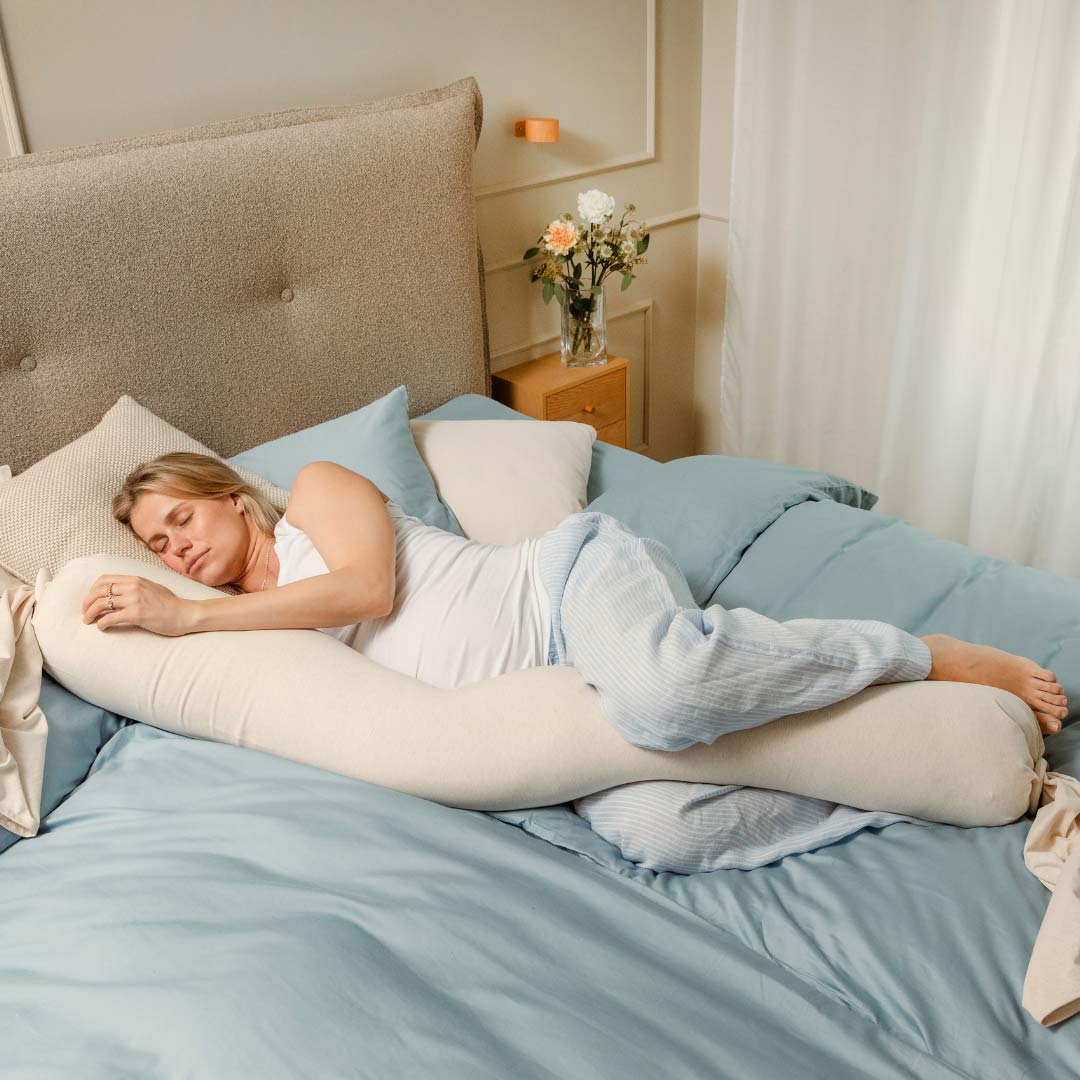
A pregnancy pillow for hip pain works by filling the gaps your body creates when sleeping on your side. Without support, the waist can dip, the knees can knock together, and the upper leg can drag the pelvis out of line.
A good pillow softens pressure while also preventing that twisting effect. For some, the biggest improvement comes from placing support between the knees. For others, the key is belly support that stops the torso from rolling forwards. If lower back pain appears alongside hip pain, a pillow that supports both front and back may feel far more stable. It depends, too, on whether your pain is mostly on one side, across both hips, or linked with pelvic girdle pain.
A pillow cannot treat an underlying condition, but it can make rest more manageable and reduce the strain that certain sleep positions create.
Which pillow shape is best?
This is the part that often feels overwhelming. There is no single best shape for everyone, and the largest pillow is not automatically the most effective.
U-shaped pillows
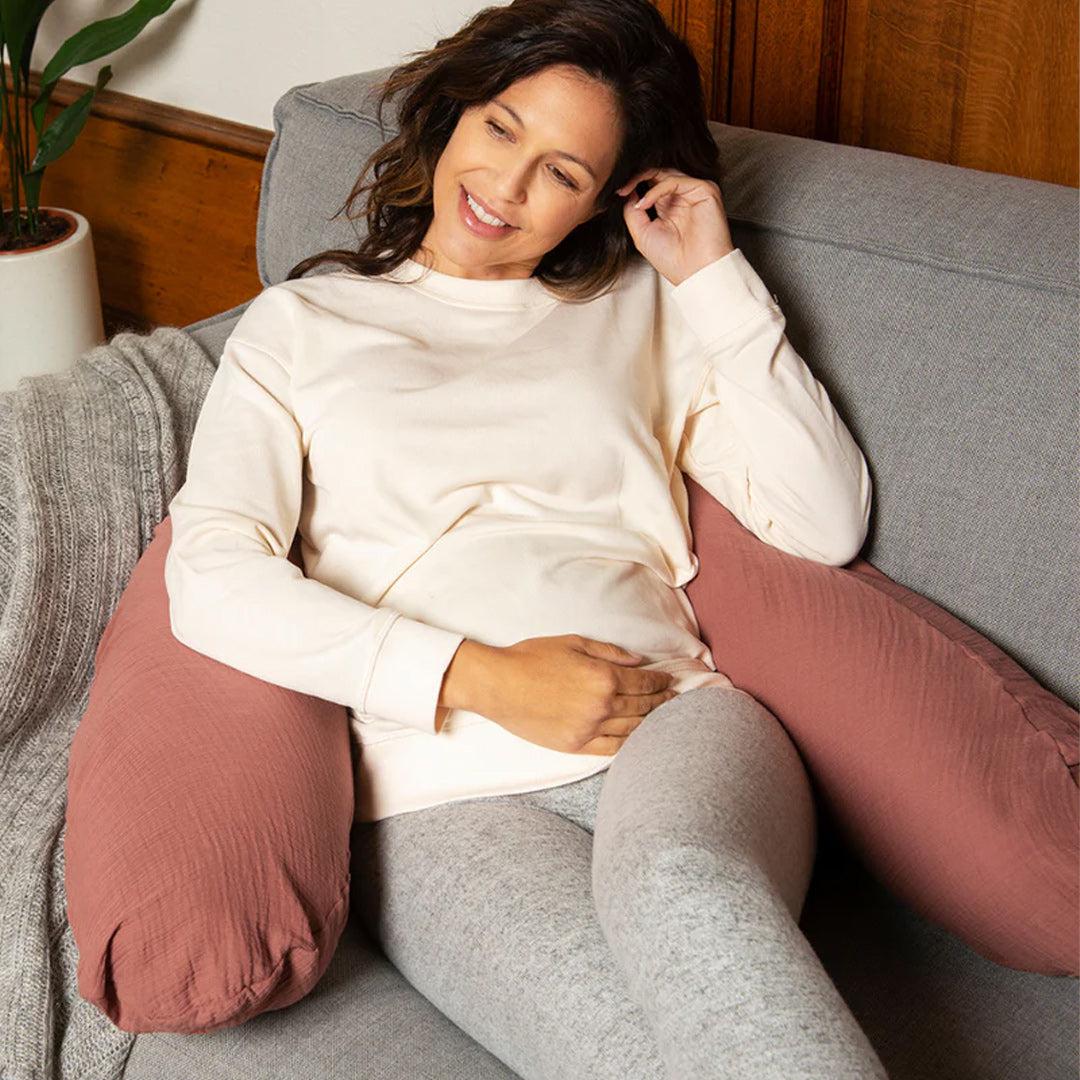
U-shaped designs wrap around both sides of the body, offering front and back support in one. They are a strong option if you switch sides often during the night or want support behind your back as well as between your knees. They can feel cocooning, which many pregnant sleepers love.
The trade-off is size. A U-shaped pillow takes up more room in bed and can feel bulky if you prefer a lighter, less enclosed sleep set-up. If you share a bed and space is already tight, it may not be the most practical choice.
C-shaped pillows
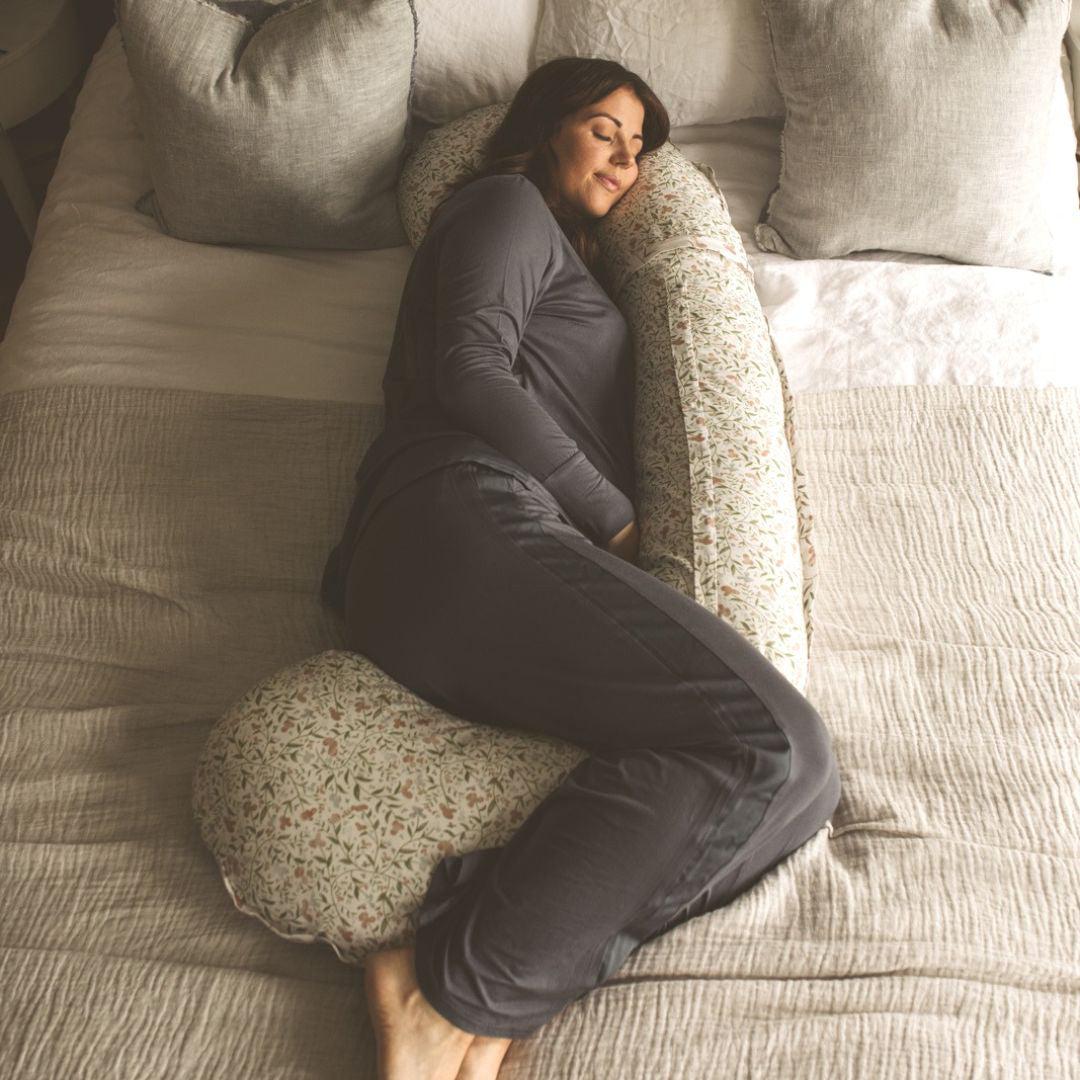
A C-shaped pillow usually supports the head, bump, knees and sometimes the back, depending on how you position it. This shape can work well for hip pain because it encourages side sleeping while giving the top leg somewhere to rest.
Many parents-to-be find it easier to manoeuvre than a full U-shape. It still offers substantial support, but often with a slightly smaller footprint. If your pain is concentrated in the hips and pelvis rather than the upper body, this can be a very balanced choice.
Wedge pillows
Compact wedges are designed to support a specific area, usually under the bump or behind the back. They are useful if you do not want a full-body pillow or need something easier to travel with.
For hip pain alone, a wedge may not be enough unless you combine it with a separate knee pillow. It is a more minimal solution, which suits some sleepers beautifully, but others will need fuller support to feel a real difference.
Long body pillows
A straight body pillow can be placed between the knees and hugged at the front. It is simple, versatile and often easier to fit into your usual bed set-up. This style can help if you mainly need to stop your top leg from falling forwards.
It is less structured than shaped pregnancy pillows, though, so if your pain is more complex or you need back support too, you may outgrow it quickly.
What to look for when shopping
When choosing a pillow, focus on support before aesthetics, though a beautifully made design still matters when it will live in your bedroom for months. Fill is one of the first things to consider.
A pillow that is too soft can collapse under the weight of the upper leg, which means your hips lose alignment again by the middle of the night. One that is too firm may feel uncomfortable or push your knees too far apart. Medium-firm support is often the sweet spot, especially for ongoing hip discomfort.
Cover fabric matters more than it seems. Breathable cotton and other soft, temperature-regulating materials can make a big difference if you are sleeping warmer than usual. Removable, washable covers are worth prioritising too, particularly in pregnancy and postpartum when practicality counts.
Size should match your bed and your sleep habits. A full-body pillow can be brilliant, but not if it leaves you fighting for space or waking because you cannot turn easily. If you are a restless sleeper, something supportive but manageable often works better than the biggest option available.
If sustainability is part of your shopping criteria, look closely at the materials, production standards and longevity of the product. A premium pillow that keeps its shape and continues to work postpartum can feel like a more thoughtful buy than a cheaper design that flattens quickly.
Small adjustments that can improve the result
Even the best pillow works better when the rest of your sleep set-up supports it. If your mattress is very old or sagging, your hips may still drop awkwardly no matter what pillow you choose. You do not always need to replace it, but it is worth noticing whether the mattress itself is part of the issue.
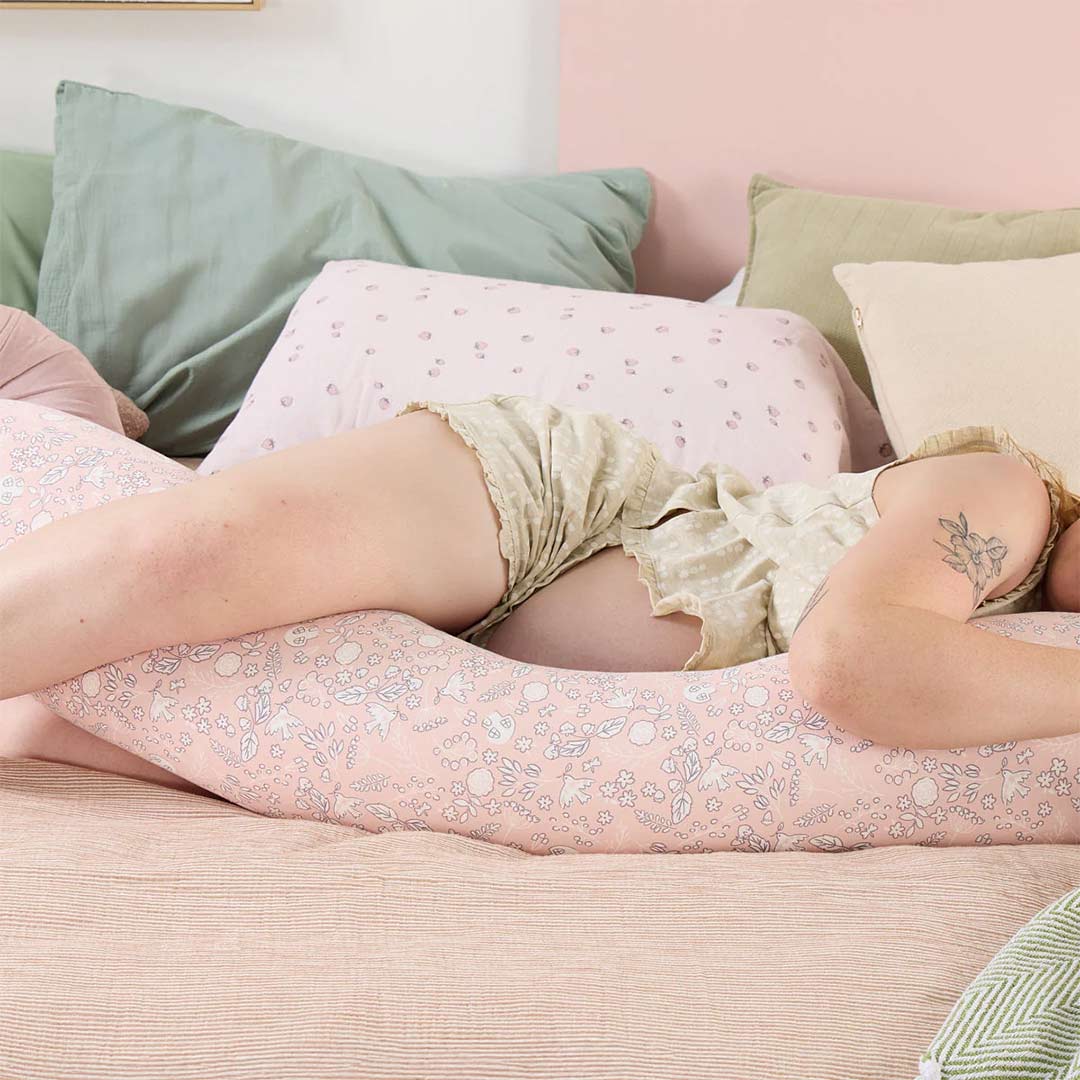
Try positioning the pillow so that it supports from mid-thigh to ankle, not just at the knees. This helps keep the whole leg more level and can reduce twisting through the pelvis. Some people also like a small folded towel or extra cushion at the waist if there is a gap between the mattress and the side body. It can also help to alternate sides before pain becomes intense.
If one hip is already sore, staying on it too long usually makes things worse. Gentle movement before bed, a warm bath, or advice from a midwife or physio may complement your pillow choice if the discomfort is recurring.
When a pillow may not be enough
There are moments when sleep support alone is not the full answer. If your hip pain is sharp, worsening, spreading into the groin, or making it difficult to walk, it is worth speaking to your midwife, GP or a women’s health physio.
Pelvic girdle pain and related issues can need more tailored support than a pillow can provide. The same applies if numbness, tingling or significant back pain is part of the picture.
A pillow can reduce pressure and improve comfort, but ongoing pain deserves proper assessment, especially if it starts to affect everyday movement as well as sleep.
Is it worth buying a premium pillow?
For many expectant parents, yes - but only if the design genuinely matches their needs. Premium pillows often hold their shape better, use more comfortable fabrics and feel more considered in day-to-day use. That matters when you are relying on one every night. That said, expensive does not always mean right.
A beautifully finished pillow that is the wrong shape for your body will not solve hip pain. The better investment is the one that supports your preferred sleep position, fits your space and still feels useful after pregnancy, whether for feeding, recovery or general comfort.
At Natural Baby Shower, this kind of decision-making matters. Parents are not simply looking for more products - they are looking for the right ones, chosen well the first time.
Choosing a pregnancy pillow can seem like a small purchase compared with bigger nursery decisions, yet better sleep has a way of changing everything. If your hips are waking you night after night, the right support is not a luxury - it is one of the simplest ways to make pregnancy feel a little more comfortable, one bedtime at a time.


