


Hospital Bag Checklist for Birth
Hospital Bag Checklist for Birth
Packing your hospital bag tends to feel oddly high stakes. Leave it too late and it becomes a rushed job between early contractions. Pack too early and you may find yourself repacking it three times. A good hospital bag checklist example gives you enough structure to feel ready, without filling half the boot with things you will never touch.
For most UK parents, the sweet spot is packing by around 35 to 36 weeks. If you are expecting twins, have a planned caesarean, or have been advised that labour may start earlier, it makes sense to do it sooner.
The aim is simple: comfort, practicality and a few well-chosen essentials for you, your birth partner and your baby.
A hospital bag checklist example that actually works
The easiest way to pack well is to think in three parts - labour, postnatal stay and baby. That keeps everything easier to find when you need it, especially if your bag is being searched by someone else while you focus on contractions. You do not need to pack for every possible birth scenario, but it is wise to allow for a little flexibility.
Even if you are hoping to go home on the same day, a longer stay can happen. Equally, some parents pack for three nights and are back in their own bed within hours. It depends on your birth, your baby and your hospital’s guidance.
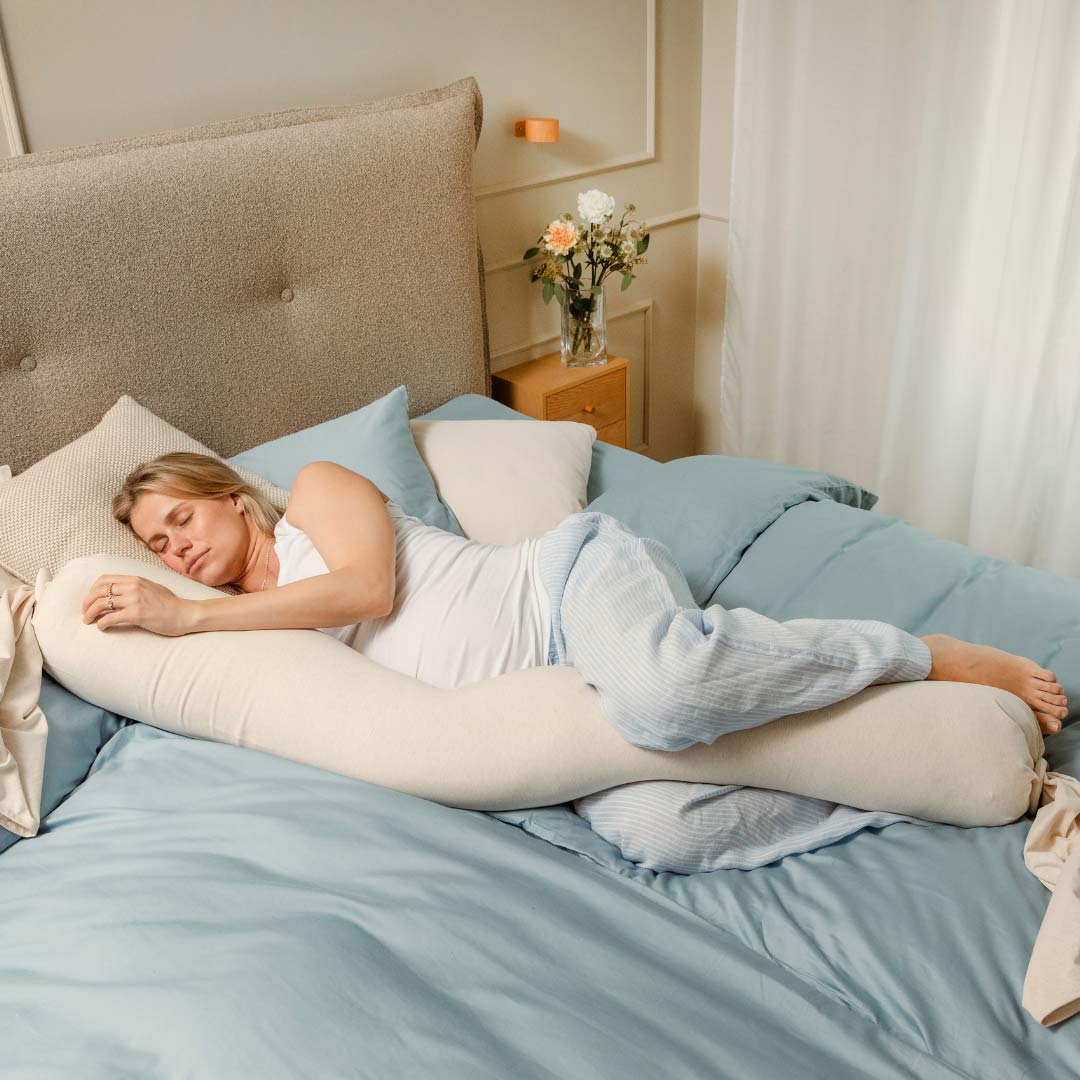
What to pack for labour
Start with the items you are most likely to want during labour itself. Your notes and any hospital paperwork should be the first things in the bag, ideally in an outer pocket so they are easy to grab at reception. Keep your phone and charger close too, and if possible choose a long charging cable, as plugs are not always conveniently placed. Comfort matters more than many parents expect. A loose nightdress or oversized T-shirt is often easier than pyjamas, especially if you want monitoring or an epidural. Slippers or flip-flops are useful for walking around and for showers. Hair ties, lip balm and a water bottle with a straw can end up feeling surprisingly essential once labour is underway.
If you are planning to use breathing techniques, hypnobirthing tracks or a playlist, download them in advance rather than relying on signal or Wi-Fi. Snacks can also be useful for your birth partner and, depending on your hospital’s advice and stage of labour, for you.
Think simple, easy options rather than anything messy or strongly scented. A few optional extras can be worth packing if they genuinely help you relax. That might mean a pillow from home in a distinctive pillowcase, a cooling face mist, or cosy socks. The key is restraint. Labour rooms are not large, and too much stuff quickly becomes clutter.
What to pack for after birth
The postpartum part of your bag deserves just as much thought. Whether you have a vaginal birth or caesarean, comfort is the priority.
- Maternity pads are a must, and it is worth packing more than you think you will need. Disposable pants or high-waisted cotton pants are practical, especially if you want gentle support without anything rubbing.
- A couple of clean nightdresses or button-front pyjamas work well, particularly if you plan to breastfeed.
- A lightweight dressing gown is useful for moving around the ward, and a few pairs of socks can make a hospital stay feel more comfortable.
- Toiletries should be simple and pared back - toothbrush, toothpaste, face wash, deodorant, shampoo, a hairbrush and any everyday skincare you will actually use.
- If you wear glasses or contact lenses, pack those carefully.
- If you are planning to breastfeed, nipple cream and breast pads can be handy, although you may not need them immediately.
- If you are bottle feeding from birth, check your hospital’s guidance on what to bring, as policies vary.
- One thing many parents overlook is an outfit to go home in that suits a still-pregnant shape. Most people do not leave hospital in pre-pregnancy jeans, and there is no reason to expect to. Soft leggings, a relaxed sweatshirt and comfortable underwear are usually a better choice.
What to pack for baby
A newborn does not need much, but the few things they do need are non-negotiable.
- Start with sleepsuits and vests. Around three of each is a sensible minimum for a short stay, though packing one or two extra is never a bad idea. Include socks or built-in feet, plus a cardigan if the weather is cooler. Muslins are one of the most useful things in any changing bag or hospital bag. Pack a few. They work for feeding, winding, spills and general clean-up.
- Nappies and cotton wool or baby wipes are also essential, but do check what your maternity unit provides, as this can differ.
- You will also need an outfit for going home. Choose something soft, easy to put on and appropriate for the season. It is tempting to pack something very styled for first photos, but comfort usually wins. A hat is worth bringing for colder months if you are leaving the hospital in chilly weather.
- Blankets can be useful, though one is usually enough.
- If you are travelling home by car, your infant carrier should already be fitted or ready to go. This is one of those details best sorted before labour begins, not when you are being discharged and trying to buckle in a tiny newborn on very little sleep.
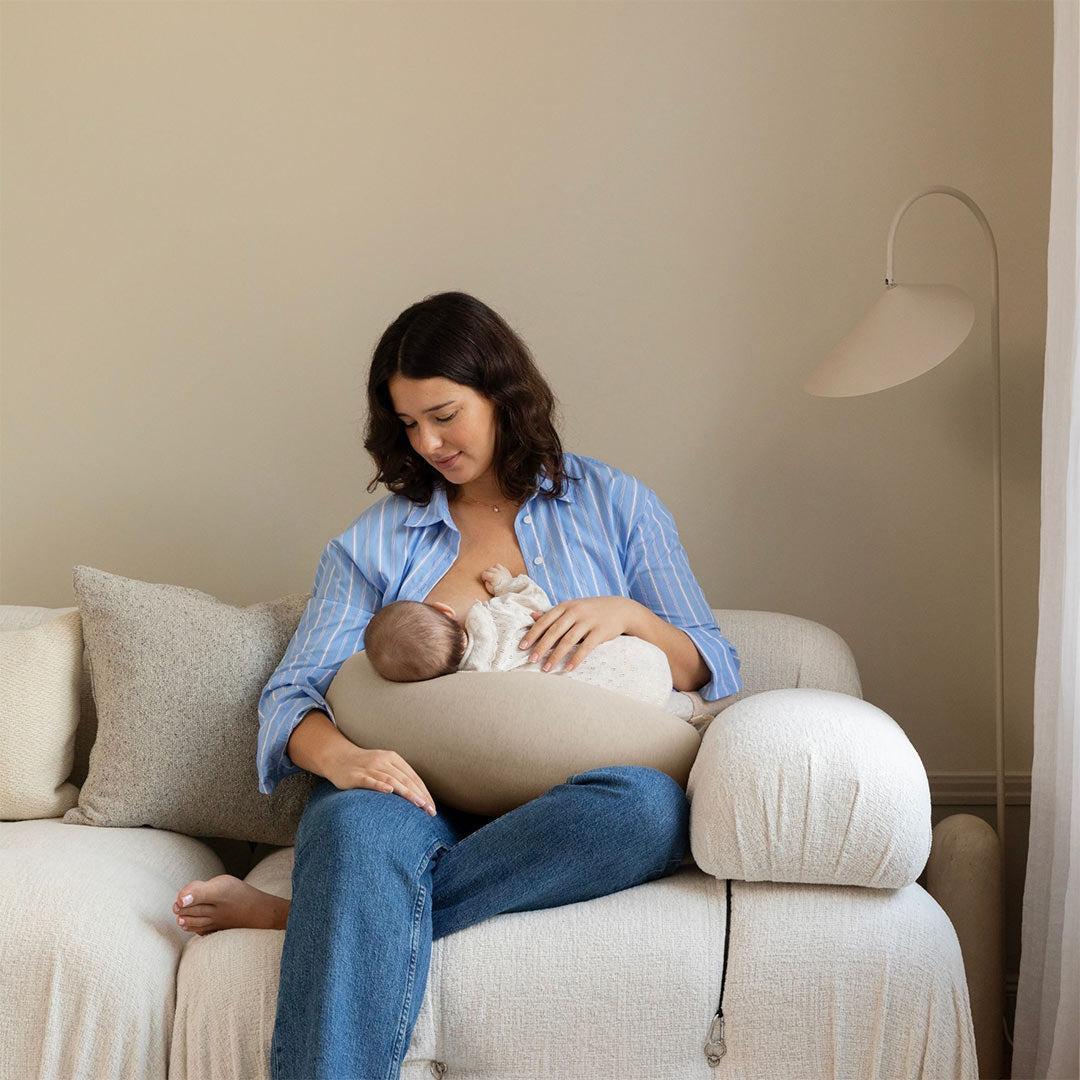
The items your birth partner should bring
A strong hospital bag checklist example should not ignore the second adult in the room.
Birth partners often assume they can manage with whatever is in their pockets, then end up hungry, tired and without a phone charger six hours in.
They should pack snacks, water, a spare top, basic toiletries and any medication they need. A phone charger and some cash or card for parking and vending machines are sensible. If labour is long, a hoodie or light layer can help, as hospital temperatures are not always predictable.
It is also helpful if your birth partner knows where everything is in your bag. There is little point in packing beautifully if no one can find the maternity pads when they are needed.
What not to pack in your hospital bag
This is where many checklists become less useful. They tell you what to bring, but not what to leave at home. Too many outfits for baby, full-size toiletries, multiple towels, bulky blankets and several pairs of shoes are rarely necessary for a standard stay. Jewellery is best left at home, as are expensive extras you would worry about losing.
Large packs of nappies, a breast pump and piles of entertainment often stay untouched. You can usually ask someone to bring additional items later if your stay changes unexpectedly.
The best packed bags are edited. Think premium, practical and easy to navigate rather than overstuffed.
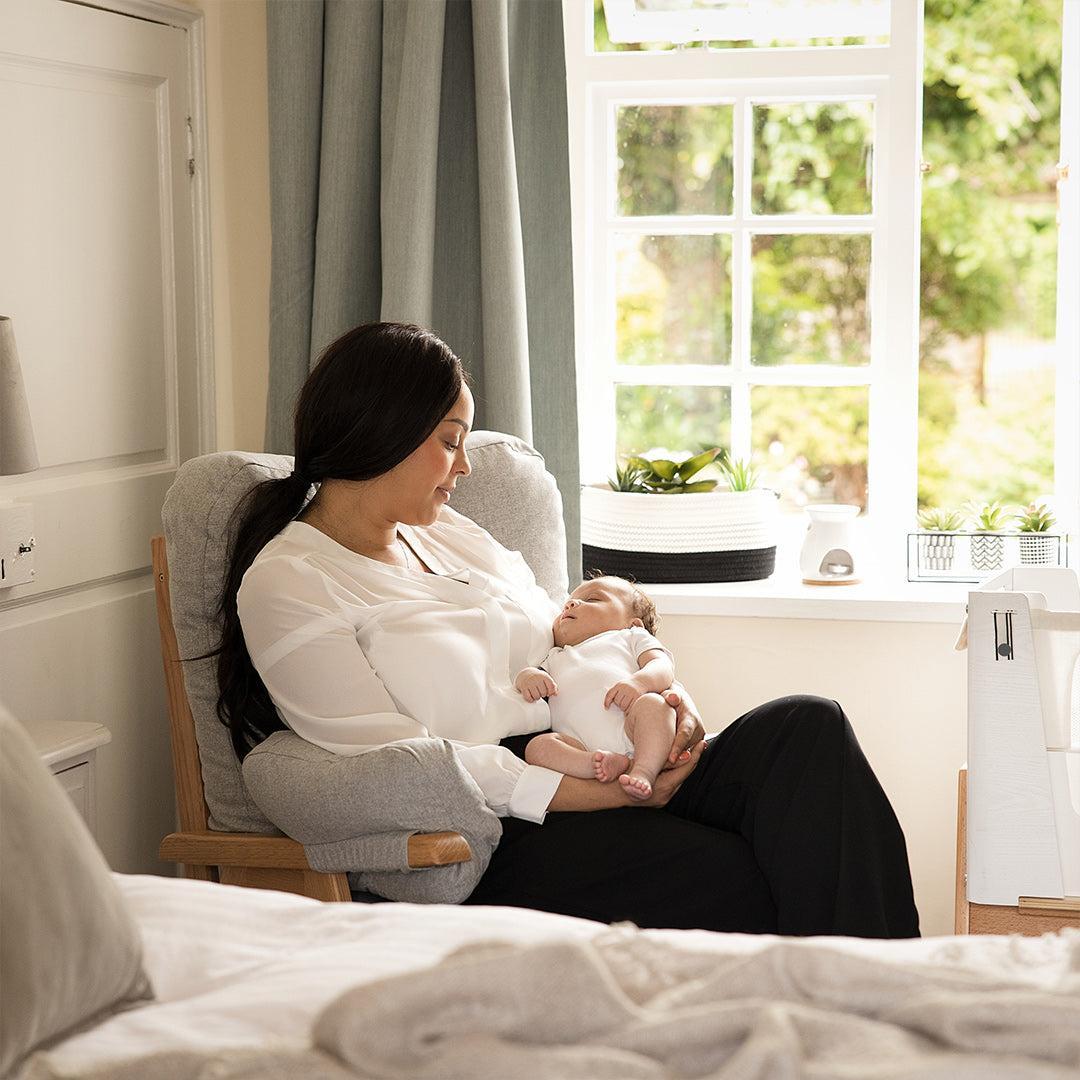
How to organise your hospital bag
Organisation makes a bigger difference than buying a bigger bag. Packing items into labelled pouches or smaller zip bags can save time and reduce stress. One pouch for labour, one for postpartum, one for baby is often enough.
Keep the first things you will need at the top. That usually means paperwork, toiletries, labour comforts and baby’s first outfit. Spare items can sit underneath. If your partner is likely to be asked to fetch things, a quick run-through before the due date is genuinely helpful.
You may prefer one larger holdall or two smaller bags - one for labour and one for the ward. There is no perfect answer. If you are carrying your own bags through hospital corridors, lighter is usually better.
A realistic packing timeline
By 32 weeks, it helps to start buying or setting aside the essentials. By 35 or 36 weeks, aim to have the bag packed. Keep it somewhere obvious, along with your notes, keys and any final items you use every day. There will always be a few last-minute additions, usually your phone, charger and toiletries.
A simple checklist on top of the bag can stop those being forgotten. If you are someone who likes to feel prepared, putting the baby’s going-home outfit and your own outfit aside early can make the final weeks feel calmer. There is no prize for packing the most fashionable bag or the most extensive one.
The goal is to make labour and those first hours with your baby feel a little less chaotic and a little more considered. If your bag covers comfort, recovery and the practical basics, you have done enough - and that is often exactly what good preparation looks like.


