


Are Glass Baby Bottles Better Than Plastic?
Are Glass Baby Bottles Better Than Plastic?
The bottle you choose ends up in your hand dozens of times a day, at 2am, in the changing bag, on the nursery shelf and beside the sofa.
So when parents ask whether glass baby bottles better than plastic is really true, they are usually asking something more practical - which option feels safer, lasts well, and makes everyday feeding easier?
The honest answer is that glass bottles do have clear advantages, especially for parents who prioritise material simplicity, longevity and a lower-plastic routine. But they are not automatically the best fit for every family, every stage or every feed.
The right choice depends on how you feed, where you feed and what matters most in your home.
Are glass baby bottles better than plastic?
In many cases, yes. Glass baby bottles are often preferred for their clean, premium feel and the fact that glass is a highly stable material. It does not absorb odours, discolour as easily or become cloudy over time in the way some plastic bottles can.
For parents building a more considered feeding set-up, that can be a compelling reason to choose glass from the start. There is also a sustainability angle that matters to many modern families.
A well-made glass bottle can last through repeated use and, if cared for properly, can often be used for longer than a plastic equivalent. If you are trying to buy fewer, better products for the baby stage, glass fits that approach well.
That said, “better” is not universal. Plastic bottles are lighter, often less expensive, and may feel more practical for overnight feeds, travel or grandparents who want something easier to handle. For some parents, that convenience outweighs the material benefits of glass.
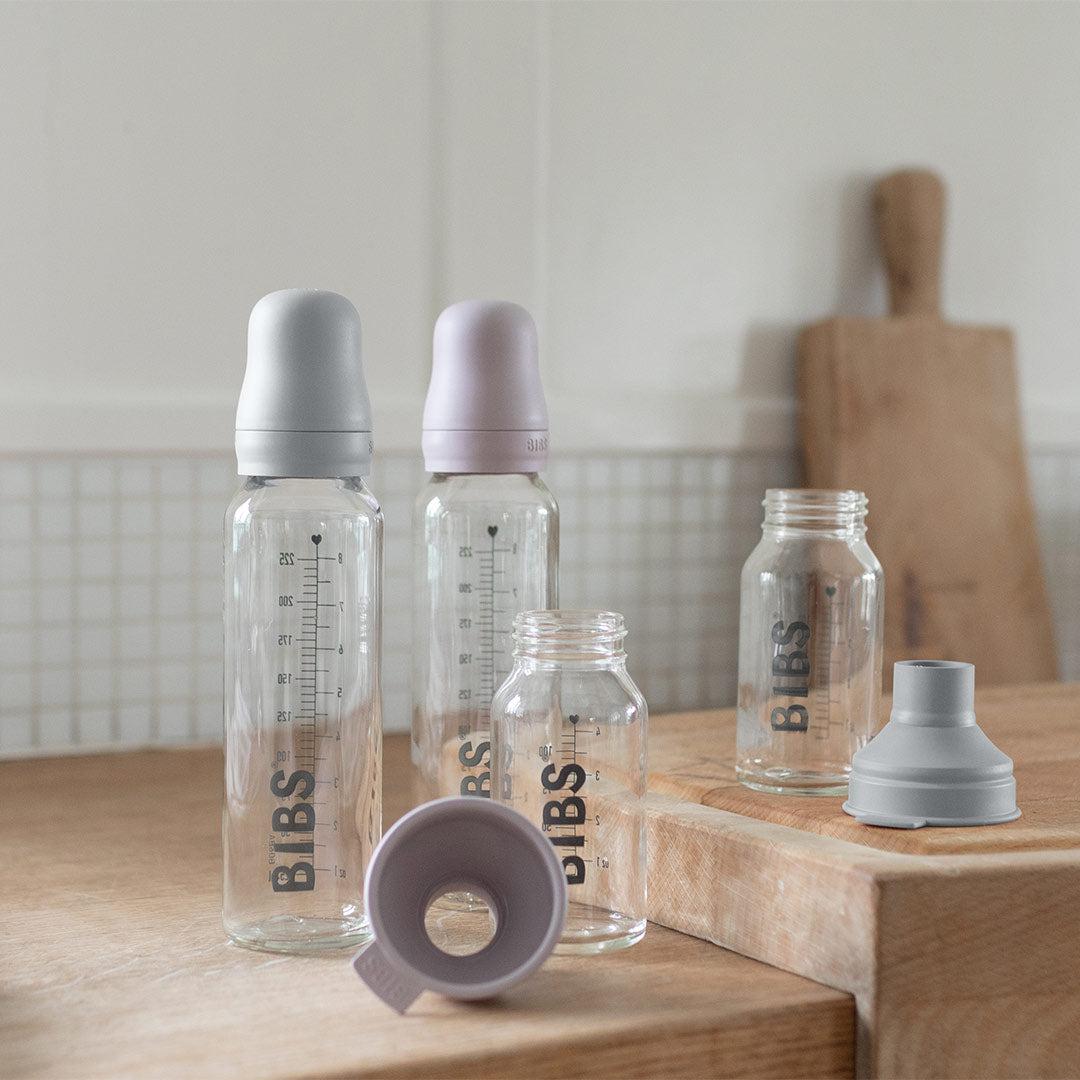
Why many parents choose glass first
Glass bottles appeal to parents who want a feeding routine that feels simple and reassuring. When you are sterilising regularly and making multiple bottles a day, the material itself becomes part of the decision, not just the teat shape or anti-colic design.
One of the biggest advantages is that glass stays looking fresher for longer. It is less likely to hold onto the smell of formula or expressed milk, and it usually cleans up beautifully even after heavy daily use. That matters more than you might expect, especially when you are trying to keep feeding equipment feeling hygienic and well cared for.
Heat tolerance is another reason glass remains popular. Many parents feel more confident warming milk or sterilising bottles when the material is straightforward and durable. While modern baby bottles are designed for feeding use, glass often gives a sense of long-term reliability that aligns with a premium, buy-once mindset.
For households trying to reduce everyday plastics, glass is also a natural choice. It will not remove plastic from your feeding routine entirely, as teats, collars and lids are usually made from other materials, but it can still reduce the amount of plastic in the parts you use most.
Where plastic bottles still make sense
Plastic bottles are popular for good reason. They are light in the hand, less fragile, and often easier to tuck into daily life without overthinking it. If you are making up bottles in the middle of the night, carrying several in a changing bag or handing one to an older sibling to help with, a lighter bottle can be genuinely useful.
They are also often the easier starting point for mixed routines. If baby is fed at home, in the car, at nursery and by relatives, a plastic bottle may feel more adaptable. There is less worry about breakage if a bottle is dropped onto kitchen tiles or packed quickly for a day out. Cost can matter too.
Some parents want to invest in a premium glass feeding set from the outset. Others would rather keep the early weeks flexible and affordable until they know what their baby will actually take to.
That is a sensible approach. Babies can be very particular about bottle shape, teat flow and how a bottle feels during feeding.
Safety, breakage and everyday handling
One of the main concerns around glass is obvious - what if it breaks? Modern glass baby bottles are typically made with durability in mind, and many come with protective silicone sleeves or carefully designed shapes to improve grip.
They are not as delicate as old-fashioned household glassware. Still, glass can break, and that risk is worth factoring into your decision. If you feed mostly at home, wash bottles carefully and like a calm, organised set-up, glass may feel perfectly manageable.
If your routine is more fast-paced, with bottles constantly moving between rooms, prams and carers, plastic may feel less stressful. Safety also includes comfort and confidence. Some parents simply feel happier using glass because it is a familiar, minimal material.
Others feel safer with plastic because it is less likely to shatter if dropped. Both perspectives are valid. The better option is the one you will use consistently and comfortably.
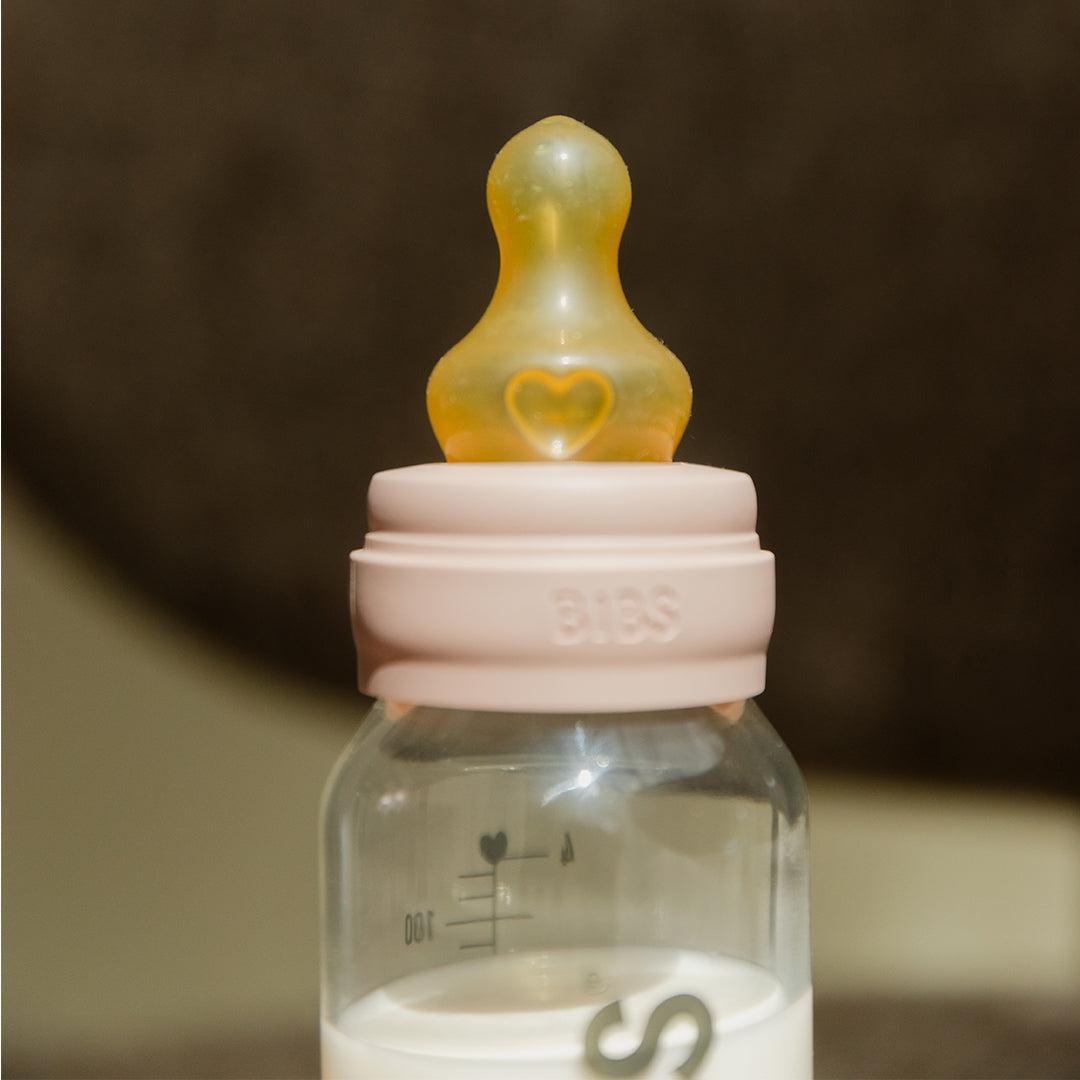
Glass baby bottles better than plastic for sustainability?
If sustainability is high on your list, glass often comes out ahead, but only when it suits your lifestyle well enough to be used for the long term. A durable glass bottle that is reused for months, kept in good condition and potentially used again for a second child is a strong option for families trying to shop more consciously.
It supports a slower, more considered buying pattern, which is often the most sustainable choice of all. But the full picture matters. Glass is heavier to transport and may not be as practical if you end up replacing broken bottles or buying a second plastic set for travel.
Sometimes the most realistic solution is a mixed collection - glass bottles at home, plastic bottles for out and about. That can strike a sensible balance between values and convenience.
For parents shopping in a more curated way, it helps to think beyond the bottle itself. Consider how the whole feeding system fits into your routine, from sterilising and storage to weaning later on. The most sustainable purchase is usually the one that genuinely works and avoids wasteful trial and error.
What to consider before you buy
Bottle decisions are rarely just about one feature. They sit alongside how often you feed, whether you combine breastfeeding and bottle feeding, and how many people are involved in baby’s routine. If aesthetics and material quality matter to you, glass may feel like the more elevated choice.
Many parents like the look and feel of a beautifully made glass bottle, particularly in homes where nursery and feeding essentials are chosen with the same care as the rest of the space. If practicality leads the decision, think about weight and handling. A newborn bottle may feel manageable in glass, but a larger bottle filled for an older baby will be heavier.
That does not make it a poor choice, but it is worth picturing how it will feel after the fifth feed of the day. It is also worth checking compatibility. If you are buying into a specific feeding brand, consider whether replacement teats, collars and accessories are easy to find.
Parents often focus on the bottle body first, but the long-term ease of using the system matters just as much.

A balanced approach for real family life
The most practical answer is not always all glass or all plastic. Many families end up preferring a mix once real life settles in.
Glass can be ideal for home feeds, especially in the newborn stage when parents want feeding products that feel clean, durable and thoughtfully made.
Plastic can be useful for travel, childcare and busy days when weight and resilience matter more.
There is nothing inconsistent about choosing both. It is often the most realistic way to build a feeding set that supports everyday life rather than complicating it. For parents shopping premium feeding essentials, this is where curated choice matters. Rather than chasing a single “best” material, it can be more helpful to choose products that match your habits, your values and your home. That is often what makes a bottle feel right from the first week onwards.
If you are exploring feeding options at Natural Baby Shower, it helps to think in terms of routine rather than trend. The best bottle is the one that fits your family beautifully, feels good to use at 3am, and still earns its place on the shelf months later.
Glass bottles are often a brilliant choice, especially if you want durability, a lower-plastic routine and a premium everyday essential.
But the smartest decision is usually the one that feels easy to live with, because feeding is demanding enough without choosing against your own routine.


