



When to Stop Swaddling

One day your baby settles beautifully in a snug swaddle, and the next they are wriggling, stretching and making it clear that sleep has entered a new phase. If you are wondering when to stop using swaddle, the short answer is usually before your baby shows signs of rolling - but in real life, timing can feel less tidy than that.
For many parents, swaddling is one of those early newborn essentials that genuinely helps. It can soften the startle reflex, encourage longer stretches of sleep and create that cocooned feeling many babies love in the first weeks.
But swaddling is very much a stage, not a long-term sleep solution. Knowing when to move on matters because baby sleep changes quickly, and what felt supportive at two weeks may no longer be the safest choice at eight weeks.
When to stop using swaddle
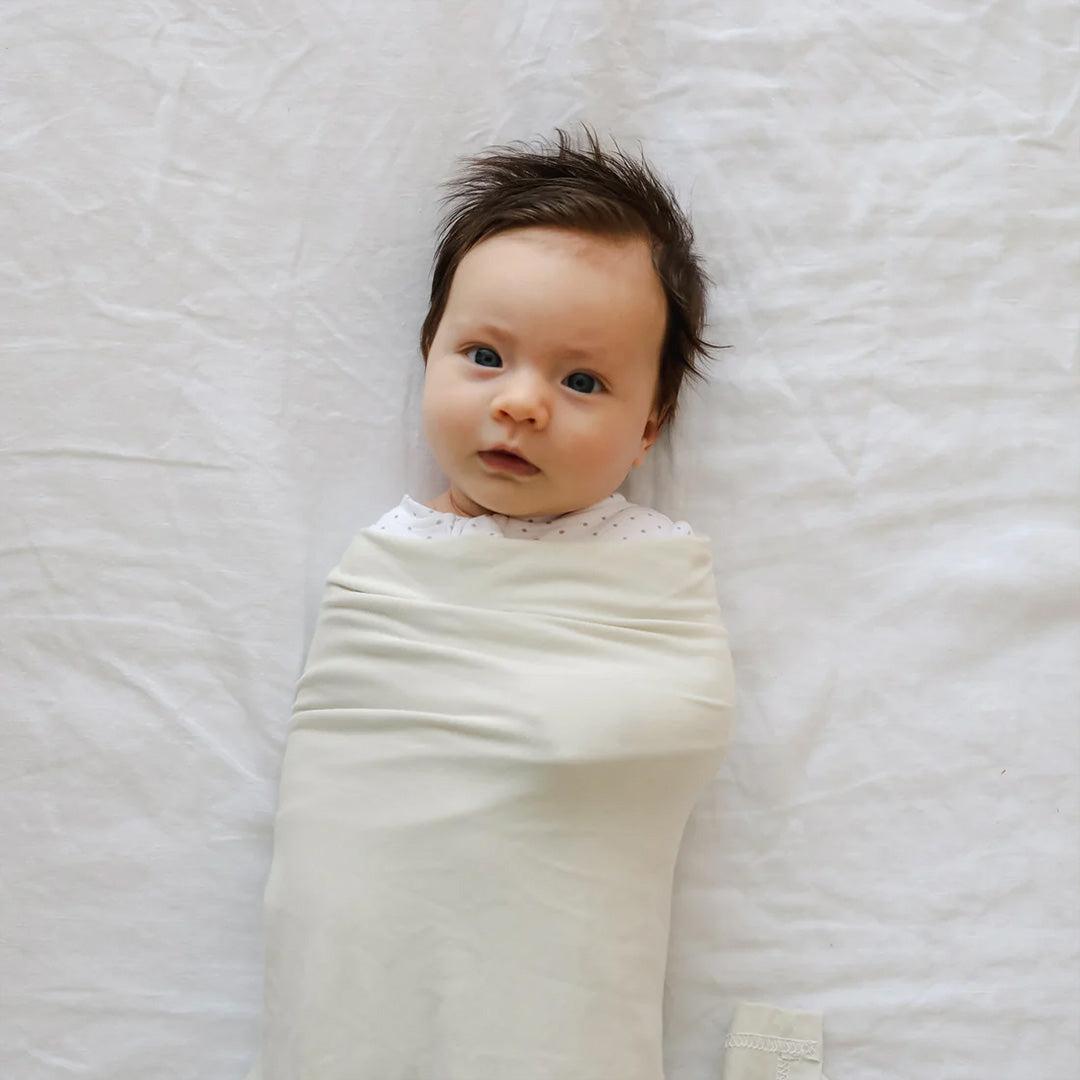
The key rule is simple: stop swaddling as soon as your baby shows any signs of rolling, or by around 8 weeks, whichever comes first. Some babies begin attempting to roll surprisingly early, even if they are not consistently rolling from front to back or back to front yet.
That early effort - twisting, rocking, lifting legs and throwing the body to one side - is enough to treat swaddling as a stage that is ending. This is because a swaddled baby who rolls onto their tummy may not be able to use their arms freely to reposition themselves.
Once that possibility enters the picture, safety guidance becomes much clearer. Even if your baby still seems to sleep better when wrapped, it is time to transition. There is some variation from baby to baby.
A small, sleepy newborn may seem content in a swaddle beyond the early weeks, while a more active baby might reject it much sooner. The important thing is not whether swaddling still appears effective, but whether it is still appropriate for your baby's development.
Why the timing matters so much
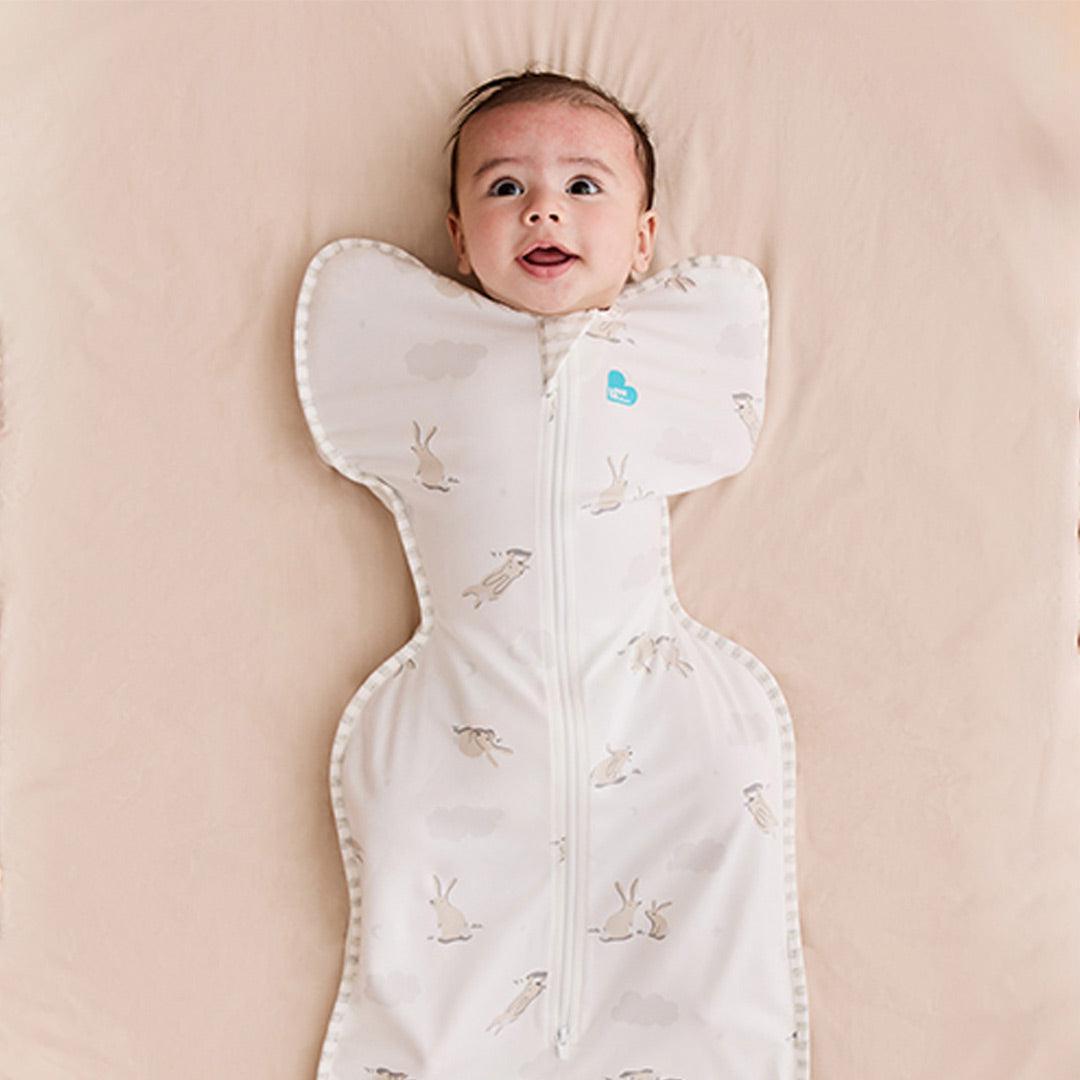
In the newborn phase, swaddling can help reduce sudden arm movements that wake a baby. That is why it often feels like a lifesaver in the first few weeks. But baby sleep products always need to match the stage your child is actually in, not the one they were in last week.
Rolling is the big turning point because it changes the risk profile. A baby with arms secured inside a swaddle has less freedom to adjust their position. As babies become stronger through the shoulders, neck and core, they need sleepwear that allows natural movement.
There is also the comfort factor. Many babies reach a point where they simply no longer enjoy being tightly wrapped. They may fight the swaddle at bedtime, work one arm free, wake frustrated, or seem calmer with more room to move.
In those moments, your baby may be giving you a fairly clear answer even before rolling begins.
Signs your baby is ready to stop being swaddled
The most obvious sign is any attempt to roll. But there are other clues that the swaddle stage is coming to an end. Your baby may start breaking out of the swaddle regularly, particularly around the arms.
They may seem stronger and more mobile during sleep, shifting position more than they used to. Some babies begin resisting being wrapped altogether, crying during swaddling even though they once found it soothing.
Others settle, but wake often because they are trying to move more freely. Age matters too. If your baby is nearing 8 weeks, it is sensible to think proactively about the transition rather than waiting for a dramatic milestone.
Development can move quickly, and many parents find it easier to make the change before rolling attempts begin in earnest.
What to use after the swaddle
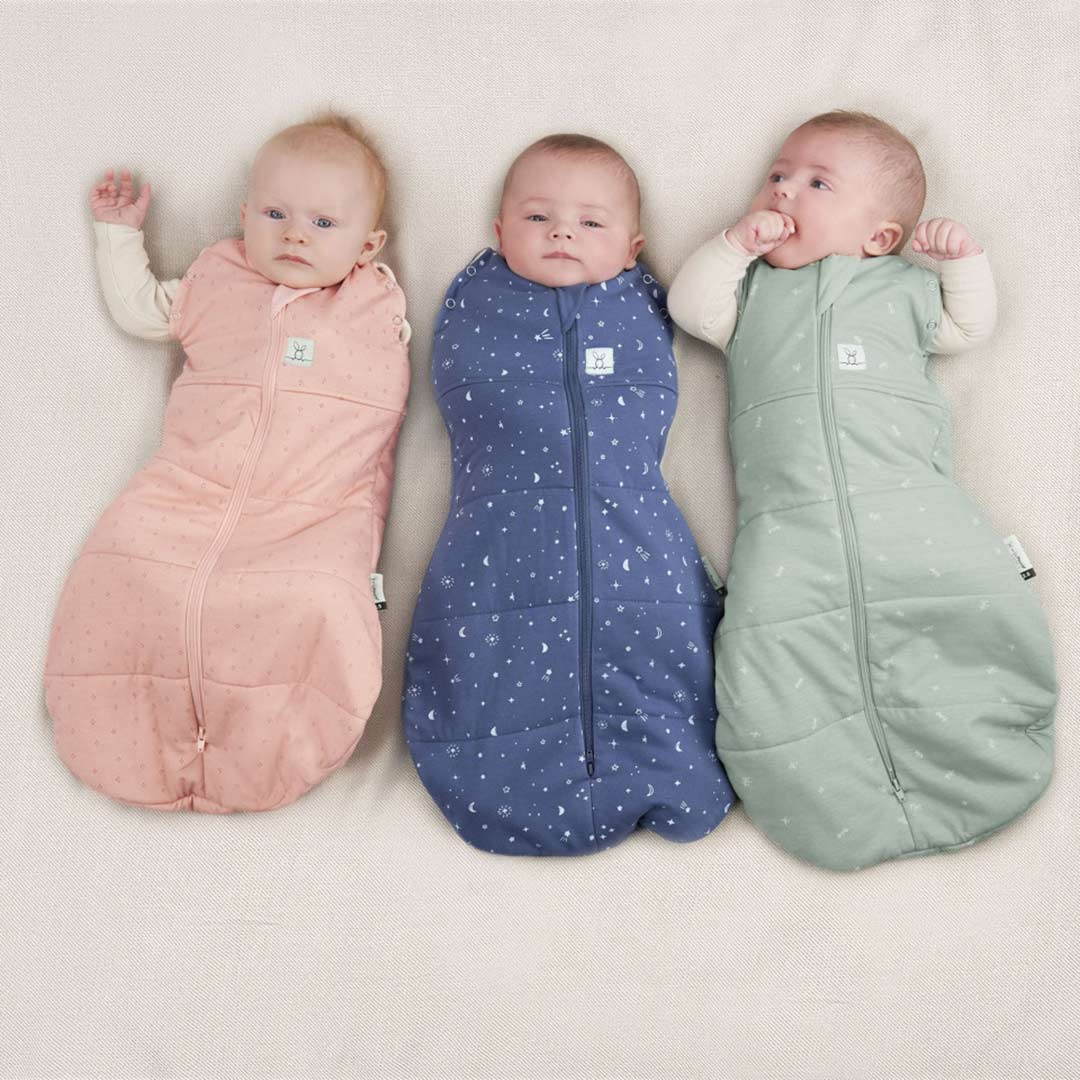
Once you have stopped swaddling, the usual next step is a well-fitted sleep bag or wearable blanket that leaves your baby's arms free. For many families, this offers the best balance of comfort, safety and simplicity.
A sleep bag helps maintain a cosy sleep environment without loose bedding, while giving your baby freedom to move their arms and legs naturally. This can be especially helpful during the transition, when some babies still want a reassuringly snug feel around the body but no longer need - or should have - the arms wrapped in.
Choosing the right option comes down to fit, fabric and room temperature. Breathable materials, a size that suits your baby's current stage, and the appropriate tog rating all make a difference.
Premium sleep essentials can feel like a small detail, but in practice they often make bedtime more consistent and reduce the guesswork for tired parents.
Should you stop swaddling gradually or all at once?
This depends on your baby. Some babies cope perfectly well with a clean break. One night they are swaddled, the next they are in a sleep bag, and after a few unsettled sleeps they adapt.
Others benefit from a gentler transition. A gradual approach often means releasing one arm first for a few nights, then both arms. This can work well for babies who rely heavily on swaddling for sleep and are likely to be disturbed by a sudden change. The trade-off is that the in-between stage can feel fiddly, and if your baby is already showing rolling signs, you may need to move faster.
If safety is the concern because your baby is attempting to roll, it is usually better to stop fully rather than stretching out the process. If your baby is not yet rolling but is resisting the swaddle, a phased transition may feel more manageable.
How to make the transition easier
There is no magic trick here, but a few practical shifts can help. Keep the rest of the bedtime routine familiar so your baby is not adjusting to too many changes at once. A warm bath, a feed, dim lighting and a calm wind-down can all provide the consistency that the swaddle used to offer.
It is also worth expecting a short adjustment period. Some babies sleep a little less soundly for a few nights because their startle reflex is still present. That does not necessarily mean you have transitioned too soon.
Often it simply means your baby is learning a new way to settle. If naps become patchy, try not to panic. Night sleep and daytime sleep do not always respond in the same way, and babies often take time to adjust across both.
Focus on keeping sleep spaces safe and routines steady rather than chasing immediate perfection.
Common questions parents ask about when to stop using swaddle
A frequent question is whether a baby can continue to be swaddled if they have only rolled during tummy time, not in the cot. The safest approach is not to wait for them to prove they can roll in bed. Once the skill is emerging, swaddling should stop.
Another question is whether a baby who sleeps badly without a swaddle should go back into one. If they are nearing 8 weeks or showing rolling signs, no. It can be tempting, especially after a rough night, but sleepwear needs to keep pace with development.
Parents also ask whether arms-up products count as swaddles. If a product restricts arm movement once rolling is a possibility, it is no longer the right fit for this stage. Always check the manufacturer's guidance and use sleep products exactly as intended.
A quick word on fit, comfort and safer sleep
Swaddles should never be too loose, too thick or used in a way that could cause overheating. The same thoughtful approach applies when you move into sleep bags.
Breathable fabrics, sensible layering and a room set up for sleep all matter more than buying the most complicated solution.
For style-conscious parents building a calm, beautifully considered nursery, it can be tempting to choose sleep products for aesthetics first. There is nothing wrong with wanting pieces that look lovely and feel premium, but safety and fit should always lead. The best sleep essentials do both - they work hard and sit beautifully within your home.
At Natural Baby Shower, that is often the sweet spot parents are looking for: trusted sleep choices that feel considered, practical and made for real family life.
Trust your baby's stage, not just the calendar
Milestones do not arrive on the same day for every baby, which is why rigid rules rarely tell the whole story.
A very young baby who is already trying to roll needs a quicker transition than an older baby who has shown no signs at all.
Equally, if your baby hates the swaddle long before 8 weeks, you do not need to cling to it just because it worked for someone else. The most helpful mindset is to treat swaddling as a short newborn chapter.
It can be wonderfully useful, but it is meant to be outgrown. Once your baby's movement, strength and sleep cues start shifting, your sleep setup should shift too.
If you are in that slightly awkward in-between moment, unsure whether tonight is the last night for the swaddle, err on the side of moving forward.
Babies change quickly, and a sleep routine that grows with them is usually the one that feels calmest in the long run.


