



When Do Babies Need Sun Cream?

A warm afternoon walk can feel like the easiest part of the day - until you realise your baby’s skin needs a different level of care to your own. If you’re wondering when do babies need sun cream, the short answer is that it depends on their age, how strong the sun is, and whether you can keep them fully shaded.
For very young babies, shade and lightweight protective clothing come first. For older babies, sun cream becomes part of the routine, but not the whole strategy.
The most effective approach is always layered: avoid direct sun where possible, cover up, and use an appropriate sunscreen when needed.
What age do babies need sun cream?
The age question matters because newborn and very young baby skin is thinner, more delicate, and more likely to react.
In the UK, common guidance is that babies under six months should be kept out of direct sunlight as much as possible. That means a parasol, pram shade, UV-protective cover used safely, a brimmed sun hat, and loose clothing that covers arms and legs usually do more of the heavy lifting than sun cream alone. That said, real life is rarely perfectly shaded. If you’re out and there are small areas of skin that you cannot protect with clothing or shade, some health professionals allow a small amount of baby-appropriate sunscreen on those exposed patches. It is best used sparingly and cautiously, with extra care if your baby has eczema or very sensitive skin.
Once babies are over six months, sunscreen is generally recommended on exposed skin whenever they are outside in strong daylight, even on days that do not feel particularly hot. UV levels can be surprisingly high in spring and summer, and clouds do not block everything.
Why age is only part of the answer?
Asking when babies need sun cream is useful, but the better question is often when babies need sun protection.
A baby lying in a shaded pram on a mild morning has very different needs from a crawling ten-month-old at the park at midday. Time of day makes a big difference. The sun is usually strongest between 11am and 3pm in the UK, so this is the window when extra planning matters most.
If you can, errands, garden play, and longer walks are easier and safer earlier in the morning or later in the afternoon. Your setting matters too. Beaches, paddling pools, pavements and pale stone can all reflect sunlight, increasing exposure.
Even if your baby is under a parasol, reflected UV can still reach their skin. This is where parents often get caught out, especially on holiday or during the first warm spell of the year.
Sun cream for babies under six months
For babies under six months, direct sun exposure should be avoided as much as possible. In practice, that means planning your day around shade rather than relying on sunscreen to solve the problem.
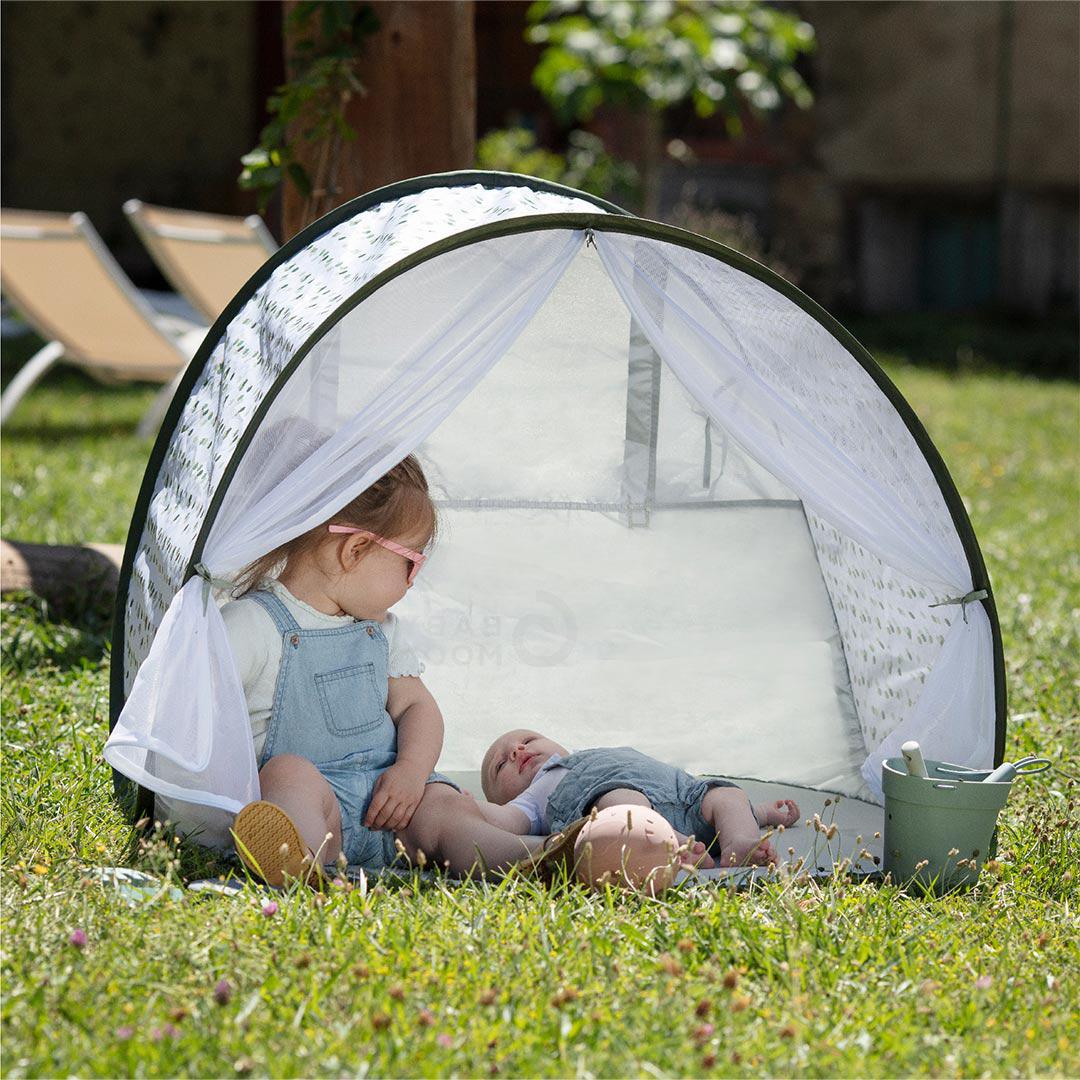
A well-designed pushchair with a proper hood can help, but it should not be covered with a blanket to create shade. Draping fabric over a pram can reduce airflow and quickly make the space too hot. Breathable shade accessories designed for prams are the better option, and it is still important to keep checking your baby’s temperature.
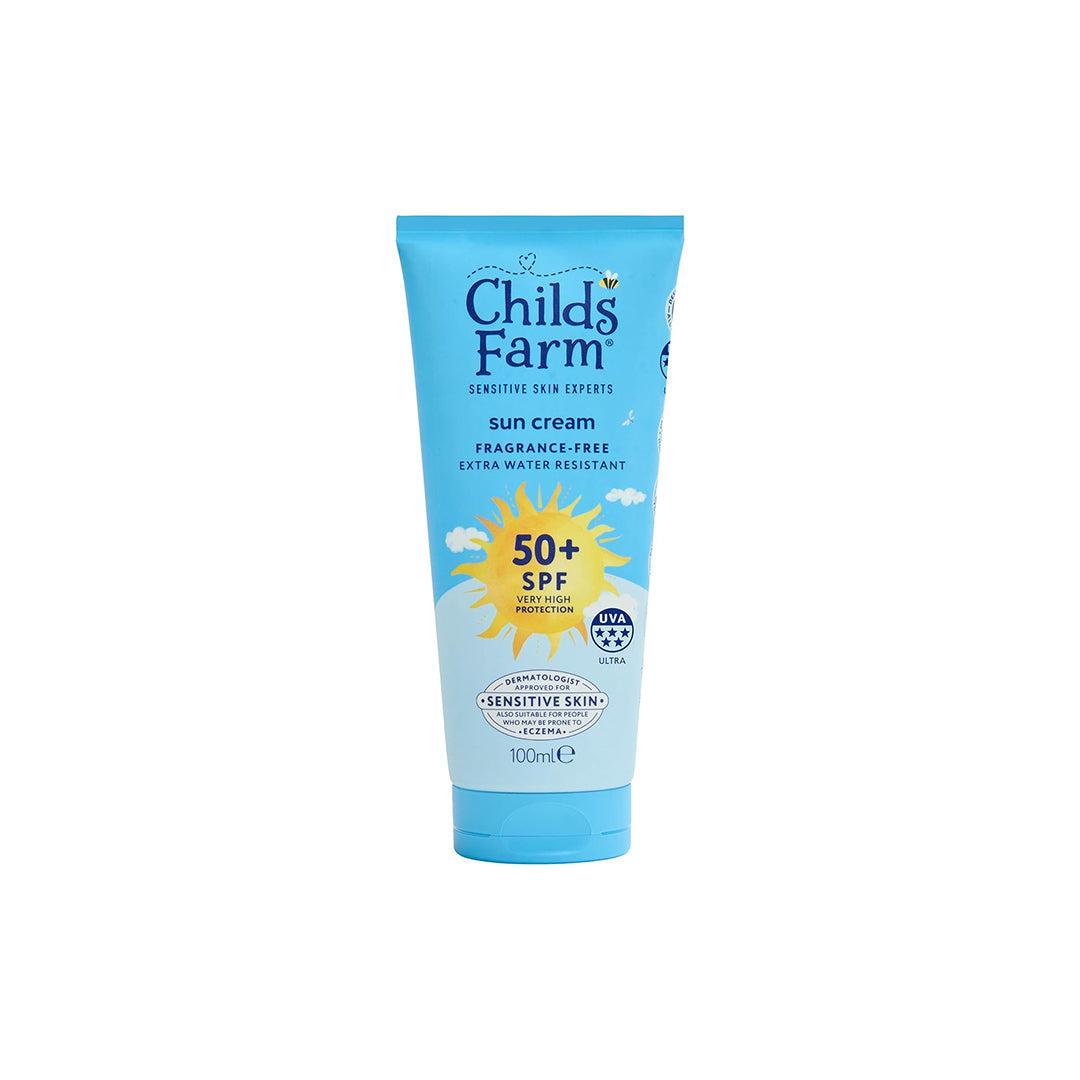
If a little sunscreen is needed on small exposed areas such as the backs of hands or cheeks, choose one formulated for babies or sensitive skin, ideally fragrance-free and broad spectrum with high SPF. Mineral formulas are often preferred by parents of younger babies because they sit on the skin rather than being absorbed in the same way as some chemical filters. The trade-off is that they can feel thicker and leave a visible cast, so application takes a bit more patience.
When do babies over six months need sun cream?
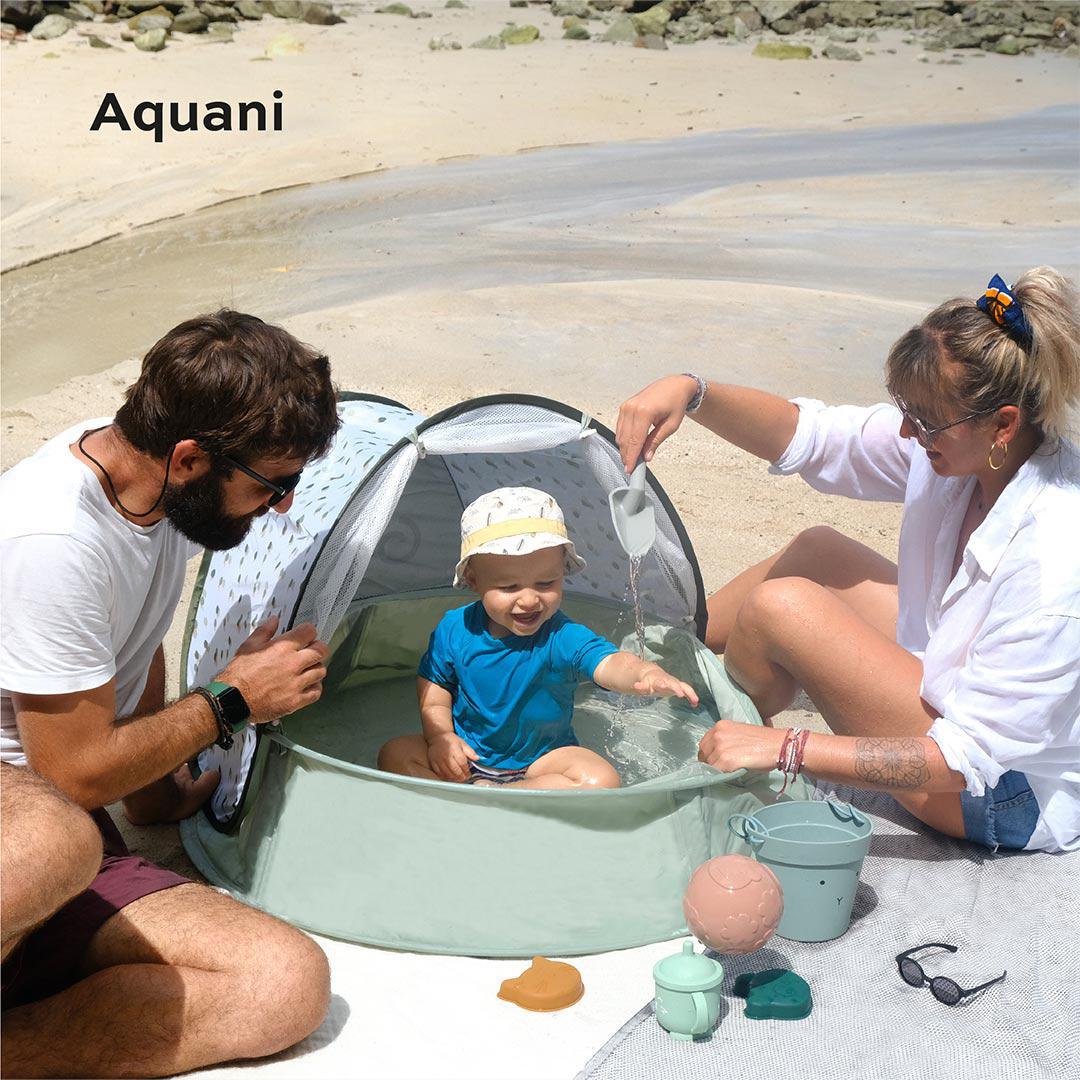
Once your baby is over six months, sunscreen should be used more routinely on skin that is not covered by clothing. This includes the face, ears, neck, hands, feet and legs if they are bare. A high SPF is best - usually SPF 50 or above for babies and young children - with broad spectrum UVA and UVB protection. Water resistance is useful if your little one is splashing, but it does not remove the need to reapply. This is also the stage when movement changes everything.
A non-mobile baby can stay shaded fairly easily. A baby who is rolling, crawling or toddling will wriggle out from under the parasol, pull off the hat, and head straight for the sunny patch. Sun cream becomes far more practical at this point, but it still works best alongside UV-protective clothing and a good hat.
How to choose the right baby sun cream
A premium baby care routine should feel simple, not overwhelming. When choosing a sunscreen, look for a few key things: high SPF, broad spectrum protection, suitability for sensitive skin, and a formula your family will actually use consistently.
Mineral sunscreens, usually made with zinc oxide or titanium dioxide, are often popular for babies because they are gentle and start working as soon as they are applied.
Chemical sunscreens can be lighter in texture and easier to rub in, which some parents prefer for older babies and toddlers.
Neither category is automatically perfect for every child. Sensitive skin, eczema, and texture preferences all affect what works best. Patch testing is sensible, especially if your baby is prone to skin reactions. Try a small amount on a small area first and wait to see how their skin responds. If irritation appears, stop using it and speak to your pharmacist, health visitor or GP if needed.
How much sun cream should you apply?
Most people do not use enough sunscreen, and with babies that usually means missed patches rather than dramatic under-application. Ears, the back of the neck, tops of feet and little hands are easy to forget.
Apply sunscreen 15 to 30 minutes before going outside, unless the product instructions say otherwise. Smooth it evenly over exposed skin and let it settle before dressing your baby, especially if they are heading into a carrier or buggy where rubbing can remove it.
Reapply at least every two hours, and after water play, towelling, or lots of sweating. If your baby rubs their face with muslin cloths, snacks, or sandy hands, those areas may need attention sooner.
Sun cream is not enough on its own
This is the part that matters most. Sun cream helps, but it should never be treated as a free pass for longer sun exposure. A UPF swimsuit, a legionnaire-style sun hat, and breathable cotton layers often give more reliable protection than sunscreen alone. Shade is still the first line of defence, particularly for babies who cannot tell you when they feel too hot.
Babies can overheat quickly, so sun safety and heat safety go hand in hand. It is also worth keeping an eye on hydration. Babies under six months should continue with their usual milk feeds.
Older babies may need more frequent fluids in warm weather. A baby who is flushed, unusually sleepy, irritable, or hot to the touch may need to be moved somewhere cool straight away.
What about cloudy days and holidays?
In the UK, cloudy skies often lull parents into thinking sun cream can be skipped. But UV can still be high on overcast days, particularly from late spring through early autumn. If the forecast shows moderate or high UV and your baby will be outside, protection still matters.
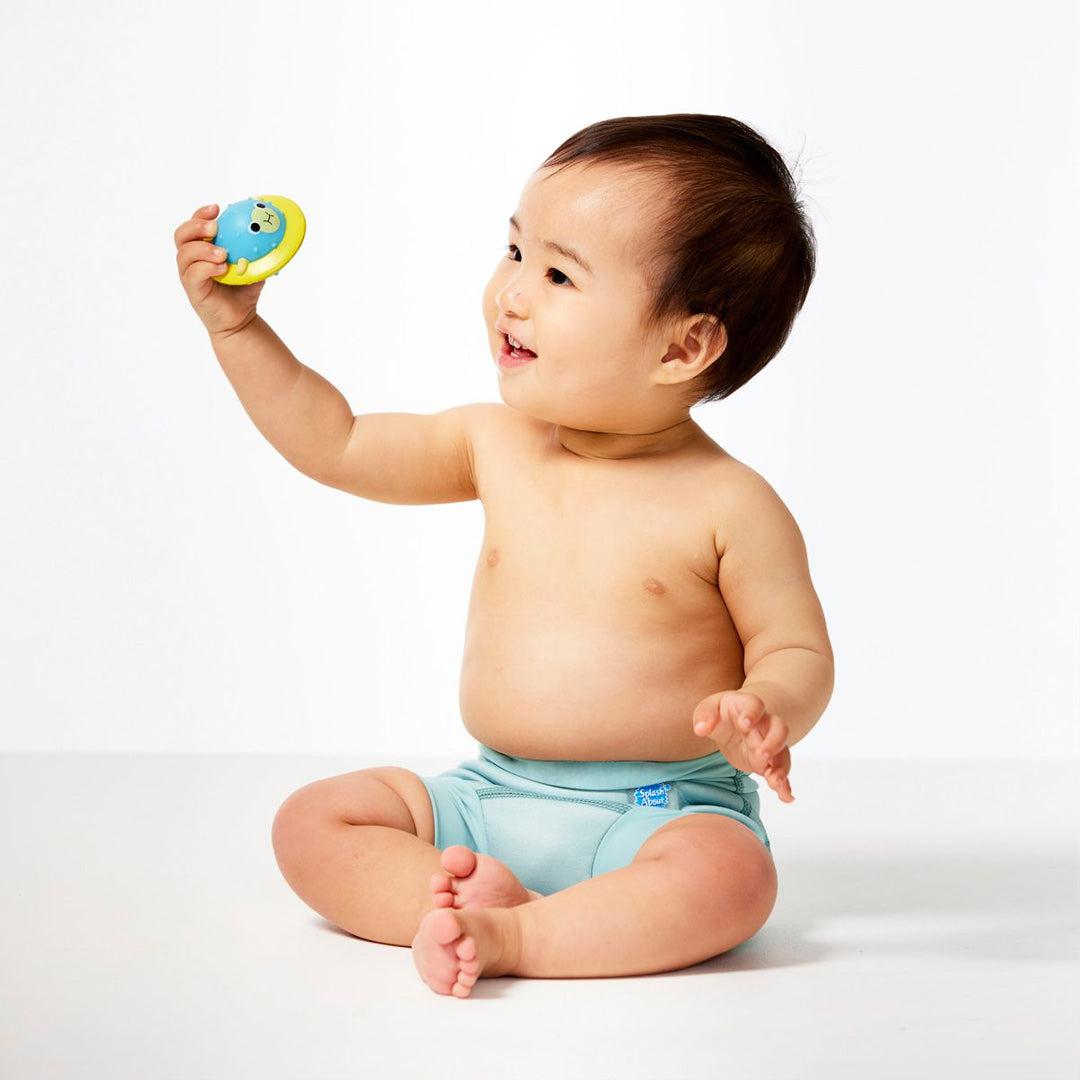
On holiday, the balance shifts further. Higher temperatures, stronger UV, more time outdoors and reflective surfaces all increase exposure. Even babies who normally spend much of the day in a shaded pushchair at home may need a more proactive routine abroad, with regular reapplication and more protective clothing changes.
This is one of those areas where buying well the first time really helps. A comfortable sun hat your baby will keep on, breathable cover-ups, and a reliable baby sunscreen can make summer plans feel far easier to manage.
Signs your baby has had too much sun
If your baby’s skin looks pink, feels warm, or they seem unsettled after time outside, act quickly. Move them out of the sun, remove extra layers, offer feeds, and cool the skin gently with lukewarm water.
Sunburn in babies should never be ignored, and medical advice is important if your baby is under one year, seems unwell, or develops blistering. The aim is not to avoid summer altogether. It is to make outdoor time feel safe, comfortable and easy to enjoy. Knowing when do babies need sun cream is really about knowing when they need a little more protection than shade alone can provide.
Start with cover, add sunscreen where age and exposure call for it, and keep adjusting as your baby grows into each new season.


