



Manual or Electric Breast Pump?

A breast pump usually becomes urgent at the exact moment you are too tired to research one properly.
Maybe you are building a feeding plan before baby arrives, maybe you are preparing for combination feeding, or maybe you simply want a little more flexibility in the early weeks.
If you are weighing up a manual or electric breast pump, the right choice comes down to how often you plan to pump, where you will use it, and what feels manageable in real life. There is no single best answer for every family.
Some parents need a quick, occasional option for relieving engorgement or expressing a bottle now and then. Others are looking for something that can support a more regular routine, whether that is returning to work, sharing feeds with a partner, or establishing a stash.
The best pump is the one that fits your feeding goals without making life feel more complicated.
Manual or electric breast pump - what is the difference?
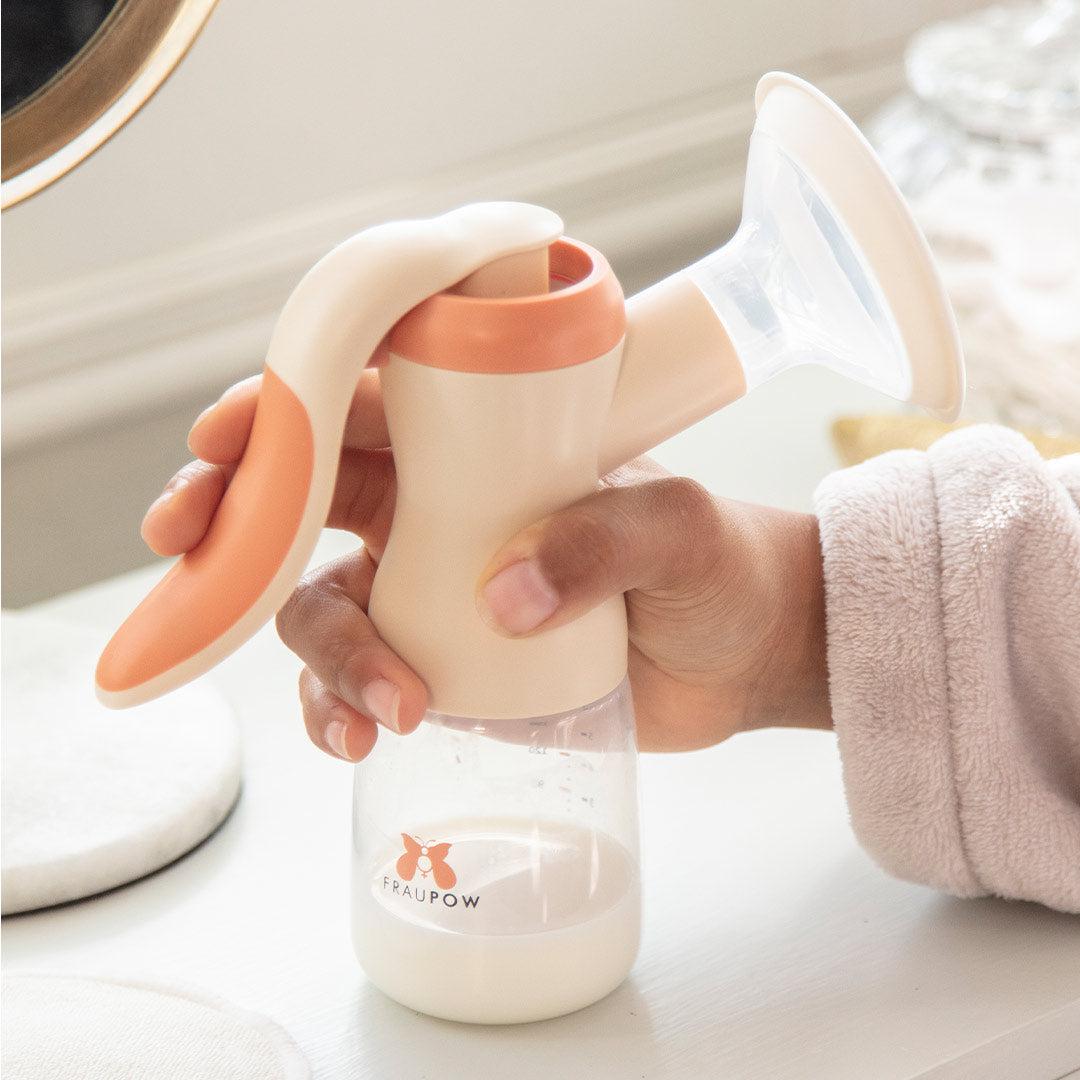
A manual breast pump is powered by your hand. You squeeze a handle or lever to create suction and control the rhythm yourself. It is simple, compact, and often easier to keep tucked into a changing bag or bedside drawer.
An electric breast pump uses a motor to create suction for you. Depending on the model, it may offer different expression modes, adjustable suction levels, and the option to pump one breast or both at the same time. In practical terms, it is usually the faster and lower-effort route, especially if pumping becomes part of your daily routine. That sounds straightforward, but the real difference is less about the mechanism and more about the role the pump will play in your life.
A manual pump suits occasional, flexible use.
An electric pump generally suits regular or more structured expressing.

When a manual breast pump makes sense
A manual pump can be an excellent choice if you are not planning to express very often. For some parents, that means the odd bottle for a partner or caregiver to give. For others, it is a just-in-case item for the early days, useful for relieving fullness, collecting milk after a feed, or expressing while away from home.
There is a lot to like about a manual pump. It is usually lightweight, quiet, and straightforward to clean. There is no need to charge it or find a plug socket, which can make it especially handy for travel, overnight use, or keeping in your hospital bag. If you prefer a more responsive, hands-on feel, being able to control the rhythm yourself can also be a benefit.
That said, the trade-off is effort. If you are expressing often, pumping by hand can become tiring. It may also take longer to collect the amount of milk you need, particularly if you are trying to fit expressing around feeds, nappy changes, and the general pace of newborn life.
A manual pump is often best thought of as a flexible occasional tool rather than the centre of a long-term pumping routine.
When an electric breast pump is the better fit
If pumping is likely to happen daily, an electric breast pump is usually the more practical choice. It is designed for efficiency, consistency, and ease, which matters when time and energy are both in short supply.
An electric pump can be especially useful if you are planning to express regularly for childcare, combination feed from the start, or build a routine around returning to work.
Many parents also prefer electric models in the early weeks if they are trying to maintain supply through more frequent expressing. Double electric pumps, in particular, can save valuable time by expressing from both breasts at once. Comfort and speed are often the biggest advantages.
Many electric pumps include a stimulation mode followed by expression mode, designed to mimic the rhythm of a baby feeding. Adjustable settings can help you fine-tune the experience, which is helpful because stronger suction does not automatically mean better output.
Often, comfort leads to better results. The compromise is that electric pumps are typically more expensive and less minimal than manual options. Some are wonderfully sleek and portable, while others are better suited to home use. Battery life, charging time, noise level, and the number of parts can all vary, so it is worth looking beyond the headline feature list.

How often will you actually pump?
This is the question that tends to make the decision clearer. If expressing will happen once in a while, a manual pump may be all you need. If it will happen several times a week or more, electric often starts to look like better value, even with the higher upfront cost. It helps to be honest about your likely routine rather than your ideal one.
Plenty of parents imagine they will pump occasionally and then find they are using it more than expected. Others buy a highly technical pump and realise they only reach for it once every fortnight.
Feeding plans can shift quickly in the fourth trimester, so a little flexibility is useful. If you are uncertain, think in scenarios. Are you expressing for comfort now and then, or for full bottles on a schedule? Are you hoping to create freedom for occasional outings, or are you likely to depend on expressed milk most days? The more central pumping is to your feeding setup, the more an electric pump tends to justify itself.
Comfort, noise and portability matter more than you think
On paper, features can look fairly similar. In practice, the small details shape whether a pump feels easy to live with. Comfort starts with the breast shield fit and how natural the suction feels. A premium design can make a real difference here, particularly if you are sensitive or using the pump often.
Noise is another factor that is easy to overlook until you are pumping next to a sleeping baby or during a late-night feed. Manual pumps are naturally quieter, while electric pumps vary from discreet hum to more noticeable motor sound. Portability matters too. If you want to express on the go, in the car, at work, or while travelling, size and charging options become part of the buying decision.
Some parents are happy with a larger unit that mostly lives at home. Others want something compact and wearable that fits around a busy day. There is no point choosing the most powerful option if it is too cumbersome for the way you live.
Cost versus value
A manual pump is usually the more budget-friendly option, which can be appealing when there is already a long list of newborn essentials to buy. If your expressing needs are light, that may be money well saved.
An electric pump costs more, but for regular use it can offer better value over time because it saves effort and minutes you may not have. This is where it helps to think beyond purchase price.
Consider whether you might need spare parts, extra bottles, storage solutions, or a pump that works efficiently enough to support a routine over several months. For many modern parents, value is not only about cost but also longevity, quality, and thoughtful design.
A well-made pump that feels intuitive, comfortable, and durable is often the smarter buy than a cheaper option that ends up unused at the back of a cupboard.
Which type suits your feeding journey?
Choose a manual breast pump if...
You expect to pump occasionally, want something compact for travel or backup, and prefer a simpler, more affordable option. It is particularly useful for light expressing, relieving fullness, or adding flexibility without committing to a full pumping setup.
Choose an electric breast pump if...
You plan to express regularly, need to save time, or want a pump that can support a more consistent routine. It is often the better fit for combination feeding, work preparation, or families who want pumping to feel as efficient as possible.
There is also a middle ground.
Some parents start with a manual pump and upgrade later once their routine is clearer. Others use both - an electric pump at home and a manual one for travel or emergencies. If your feeding approach is still evolving, that can be a very sensible setup.

A final thought on choosing well
The best manual or electric breast pump is the one that supports your feeding choices without adding pressure. Look for quality, comfort, and a design that fits your everyday rhythm, not somebody else’s.
A good pump should make things feel easier, quieter, and a little more manageable - which, in the early days of parenthood, is often exactly what you need.


