



ISOFIX vs seatbelt fitting: which is best?

The first time you try to install a car seat, it can feel less like a baby purchase and more like a technical test. That is why the ISOFIX vs seatbelt fitting question matters so much - not just for safety on the road, but for confidence every time you set off. For many parents, the choice looks simple at first.
ISOFIX sounds newer and easier, while seatbelt fitting feels more traditional and flexible. In reality, both can be safe when used correctly, and that last part is the detail that matters most. The best option is often the one that suits your car, your seat choice and how you actually travel day to day.
ISOFIX vs seatbelt fitting: what is the difference?
ISOFIX is a built-in car seat anchorage system found in many modern cars. Instead of securing the child seat with the adult seatbelt, you attach the seat directly to fixed anchor points in the vehicle.
Depending on the seat, it may also use a support leg or a top tether for added stability. Seatbelt fitting does exactly what the name suggests. The car seat is installed using the vehicle's seatbelt, which threads through specific guides on the seat. This has been used safely for many years and remains a common option, especially for infant carriers and some high-back boosters.
The main difference is consistency. ISOFIX is designed to reduce installation errors by giving you fixed connection points. Seatbelt fitting relies more heavily on careful routing, tightening and checking. That does not make it unsafe - it simply means there is more room for user error if the seat is not fitted exactly as intended.
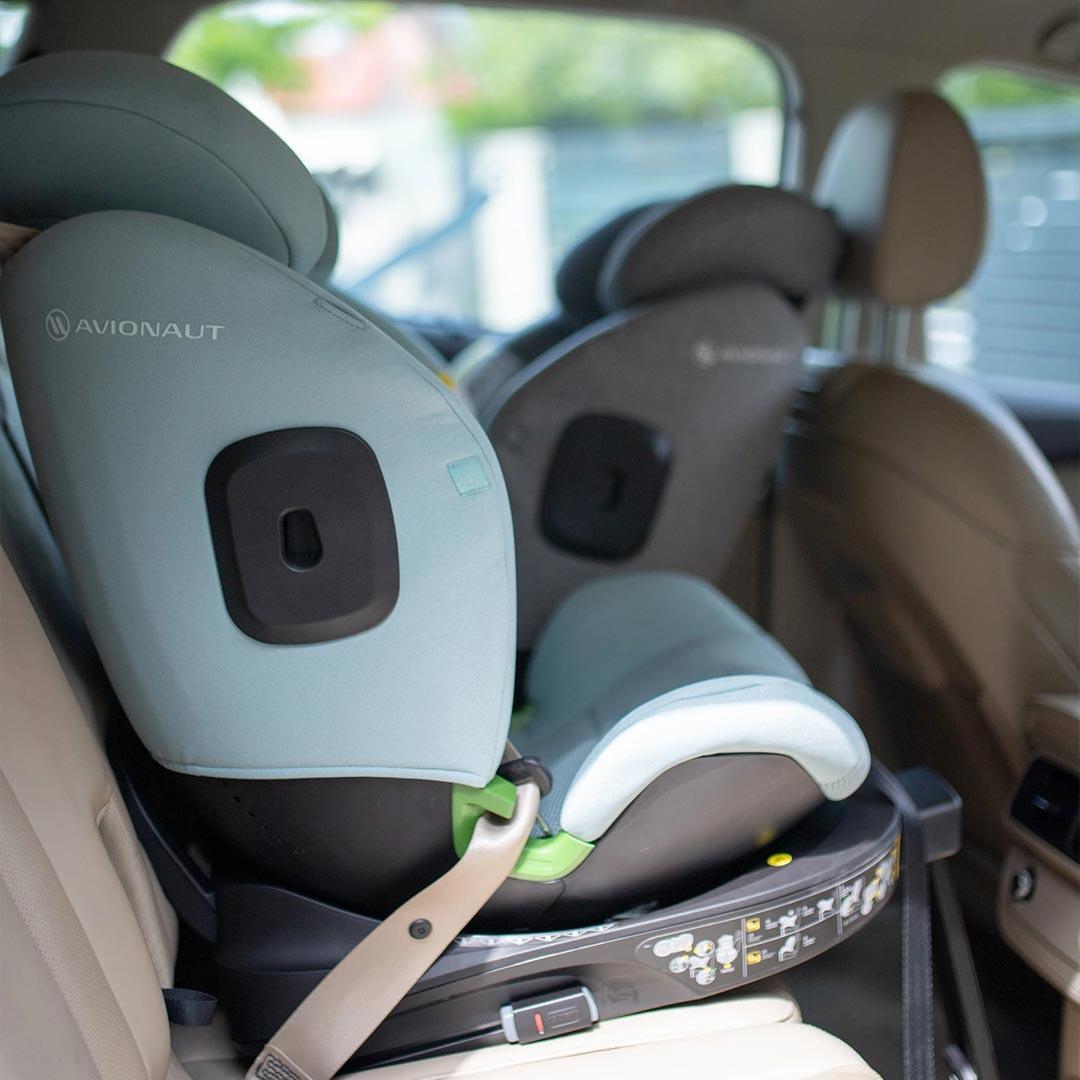
Is ISOFIX safer than seatbelt fitting?
This is usually the first question, and the honest answer is slightly less tidy than many product labels suggest. ISOFIX is often considered safer because it lowers the risk of incorrect installation.
A poorly fitted car seat cannot protect a child as effectively as a correctly fitted one, so any system that makes fitting simpler has a real safety advantage. For sleep-deprived parents, grandparents who do occasional nursery runs, or households switching seats between cars, that ease can be especially valuable.
That said, a seatbelt-fitted car seat is not automatically a lesser option. When fitted properly, it can meet the same safety standards and perform very well. In some cases, it may also offer a secure and practical solution for families whose car does not have ISOFIX points in every seat position, or whose chosen car seat is designed specifically for seatbelt installation.
Safety is rarely just about the mechanism. It also depends on whether the seat is compatible with your vehicle, whether your child fits it properly, and whether you use it correctly every single journey. A premium seat with the wrong fit is not the right seat. A well-matched seat, installed correctly and used consistently, is always the stronger choice.
Why many parents choose ISOFIX
ISOFIX has become a popular choice for good reason. It is usually quicker to install, often easier to check, and can feel more reassuring in everyday use. Many parents like the audible clicks, visual indicators and overall sense that the seat is firmly locked into place.
That convenience can make a difference in real life. If you are doing regular nursery drop-offs, moving an infant carrier from car to pushchair, or sharing school runs with another caregiver, simplicity matters.
An installation system that feels intuitive is more likely to be used correctly without second-guessing. ISOFIX can also help reduce the slight movement sometimes seen in less confidently fitted seatbelt-installed seats. While movement limits vary by seat type and manufacturer guidance, many parents find the fixed base setup gives them extra peace of mind.
The trade-off is flexibility. ISOFIX seats or bases can be heavier, more expensive and more dependent on car compatibility. If you drive an older vehicle, a smaller second car, or regularly use taxis when travelling, that can affect how practical ISOFIX really is.
When seatbelt fitting makes more sense
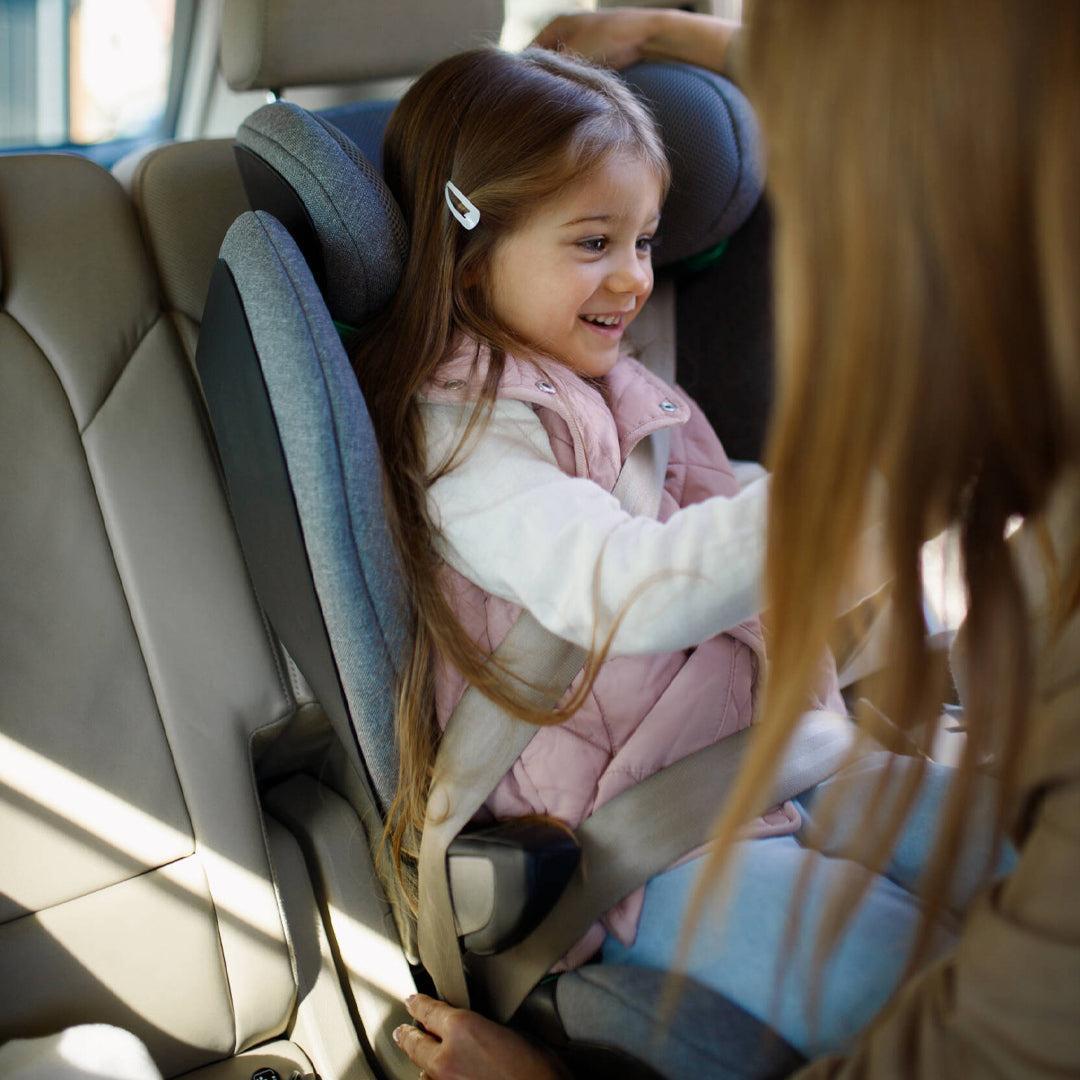
Seatbelt fitting remains a strong option, especially for families who need versatility. Not every car has ISOFIX in every rear seat, and some older cars may not have it at all. In those cases, a seatbelt-fitted seat may be the more realistic choice. It can also be more useful if you switch between vehicles often.
Grandparents' cars, occasional lifts with friends, hire cars and taxis are all situations where seatbelt installation may be more adaptable. Some infant carriers are designed to work either with a belted installation or with a compatible ISOFIX base, which gives families welcome flexibility in the early months.
There is also the question of budget. An ISOFIX base can be a worthwhile investment, especially if it improves ease and confidence, but it does add to the overall cost. For some families, a well-designed seatbelt-fitted seat offers excellent value without compromising safety when used properly.
The key is being realistic about your routine. If you only ever use one car and want the quickest daily setup, ISOFIX may feel worth every penny. If you need your seat to work across multiple vehicles, seatbelt fitting may be the smarter and more adaptable route.
ISOFIX vs seatbelt fitting for infant carriers and toddler seats
The best answer can change depending on your child's stage. For infant carriers, many parents love the convenience of an ISOFIX base. It makes it easy to click the carrier in and out without reinstalling it each time, which is particularly appealing in the newborn phase.
That said, many infant carriers can also be installed safely with a seatbelt, which is useful for occasional travel or a second vehicle. For toddler and extended rear-facing seats, ISOFIX can still be a great fit, but seat size, vehicle space and weight limits become more relevant.
Some larger seats use ISOFIX, while others rely on a seatbelt and support features such as a support leg or tethering systems. It is not always a case of newer being better - sometimes the seatbelt-installed model simply works better in a specific car. As your child grows, the focus often shifts from pure convenience to longevity and fit.
A seat that supports rear-facing travel for longer, fits your vehicle well and suits your family's routine is usually the better investment than choosing on installation method alone.
How to choose between ISOFIX and seatbelt fitting
Start with your car, not just the car seat. Check whether your vehicle has ISOFIX anchor points, where they are located, and whether your preferred seating position supports the type of installation you want.
Not all rear seats offer the same setup. Then think about how you use your car in everyday life. If your seat will stay in one vehicle most of the time, ISOFIX may be the easiest option. If you need to transfer seats often or use several cars, a seatbelt-fitted model may give you more freedom.
It is also worth considering who will be installing the seat. A system that feels straightforward to you may be less intuitive for another caregiver. For households sharing childcare, ease of use is not a luxury - it is part of safe use. Finally, always check the specific seat's guidance.
Compatibility matters, and so does following the manufacturer's instructions exactly. Even the best-designed installation system depends on correct use.
Common mistakes to avoid
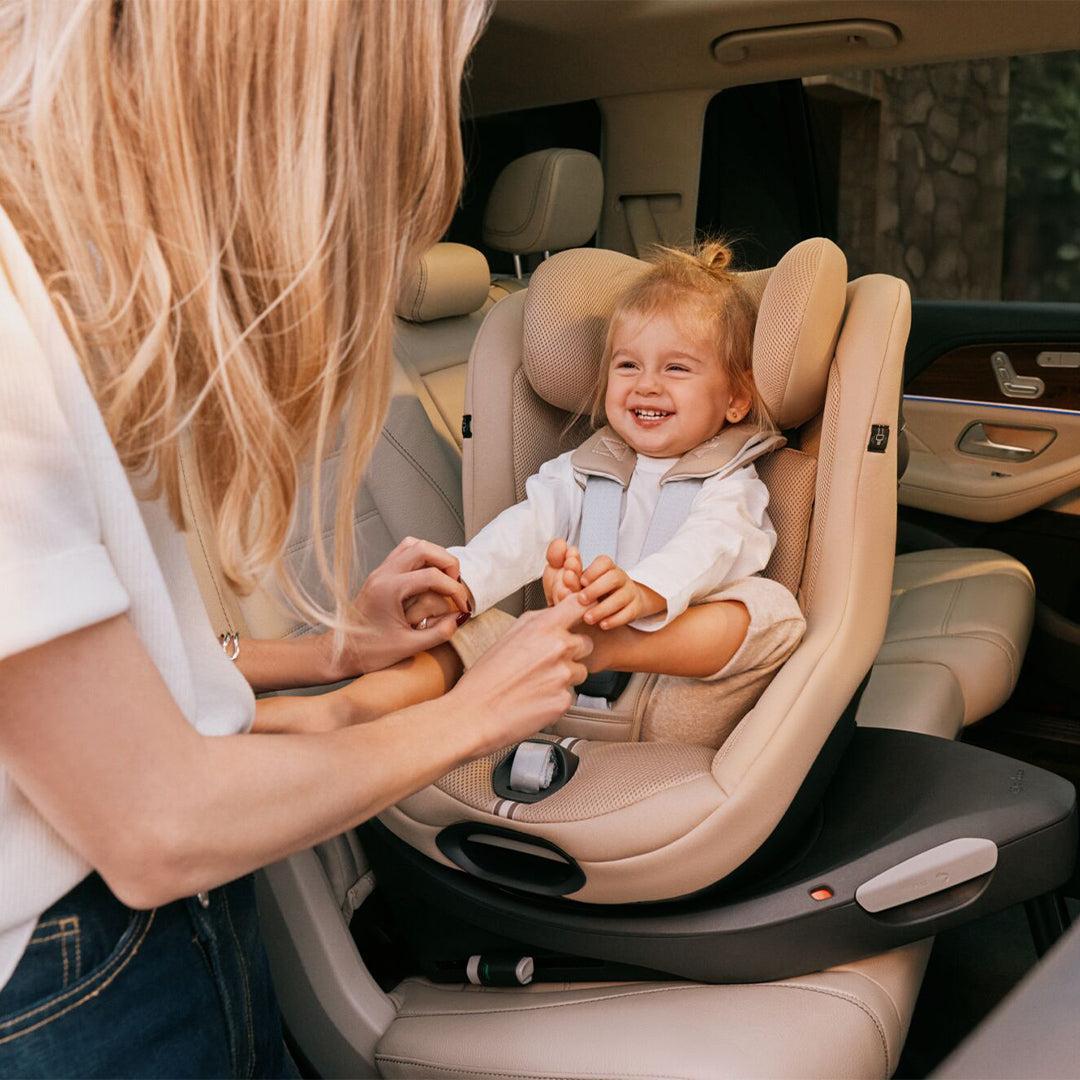
With ISOFIX, one of the most common issues is assuming the seat is secure without confirming all indicators are correct. Parents can also forget to adjust the support leg properly or overlook vehicle storage compartment rules when a leg rests on the floor. With seatbelt fitting, mistakes tend to involve incorrect belt routing, slack in the belt, twisted webbing or not locking the belt as required by the seat instructions.
These are easy errors to make when you are in a rush, which is why a fitting method that feels manageable in everyday life is often the right one. If possible, practise the installation before baby arrives. It is much easier to learn a new seat in a quiet driveway than in a hospital car park.
Which option is right for your family?
If you want a setup that feels quick, modern and reassuringly simple, ISOFIX will appeal to many parents. If you need flexibility across cars, want to keep costs more controlled, or have a seat designed to install beautifully with a seatbelt, that route can be equally valid.
A car seat should leave you feeling certain, not confused - and when the fit is right, that confidence tends to travel with you.


