


4 Best Toddler Lunch Boxes for Busy Days
If a lunch box is fiddly to close, leaks yoghurt into the changing bag, or comes home with half the food untouched because the sections were too awkward, it is not the right fit. The best toddler lunch boxes make daily routines feel calmer - easy to pack, simple for little hands to open, and practical enough for nursery, days out and back-seat snacks.
For most families, the right choice is less about finding the single fanciest design and more about matching the lunch box to your toddler’s stage, appetite and routine. A compact box can be perfect for a younger toddler with a lighter nursery lunch, while an older toddler may need more room for sandwiches, fruit, snacks and a little treat.
Materials matter too, especially if you are trying to reduce single-use packaging and buy pieces that last beyond one season.
What makes the best toddler lunch boxes?
A toddler lunch box has a fairly demanding job. It needs to keep food separate enough to stay appealing, survive being dropped, fit neatly into a changing bag or backpack and still be easy to wash at the end of the day. When you are shopping in a premium category, it is worth expecting more than a cute print.
The first thing to look at is size. Too small, and you will be squeezing food into every corner. Too large, and lunches can look sparse or the box becomes bulky to carry. For toddlers, proportion matters. Smaller compartments often work well because they make balanced lunches easier to build without overpacking.
Closure is just as important. Some lunch boxes are technically leak resistant but too stiff for small hands, which means your child cannot manage them independently at nursery. Others open beautifully but are best for dry foods only.
This is where trade-offs come in. If you regularly pack yoghurt, soft fruit or pasta, prioritise a more secure seal. If your toddler is practising opening their own lunch, ease of use may matter more.
Material is another big consideration.
Stainless steel appeals to many parents for its durability and lower-plastic feel, while food-grade silicone and well-made BPA-free plastic can be lighter and more practical for everyday carrying.
There is no one-size-fits-all answer here. If weight is a concern for a small nursery backpack, a lighter box may be the better choice. If longevity and a more elevated finish top your list, stainless steel is often worth the investment.
Best toddler lunch boxes by type
1. Bento-style lunch boxes
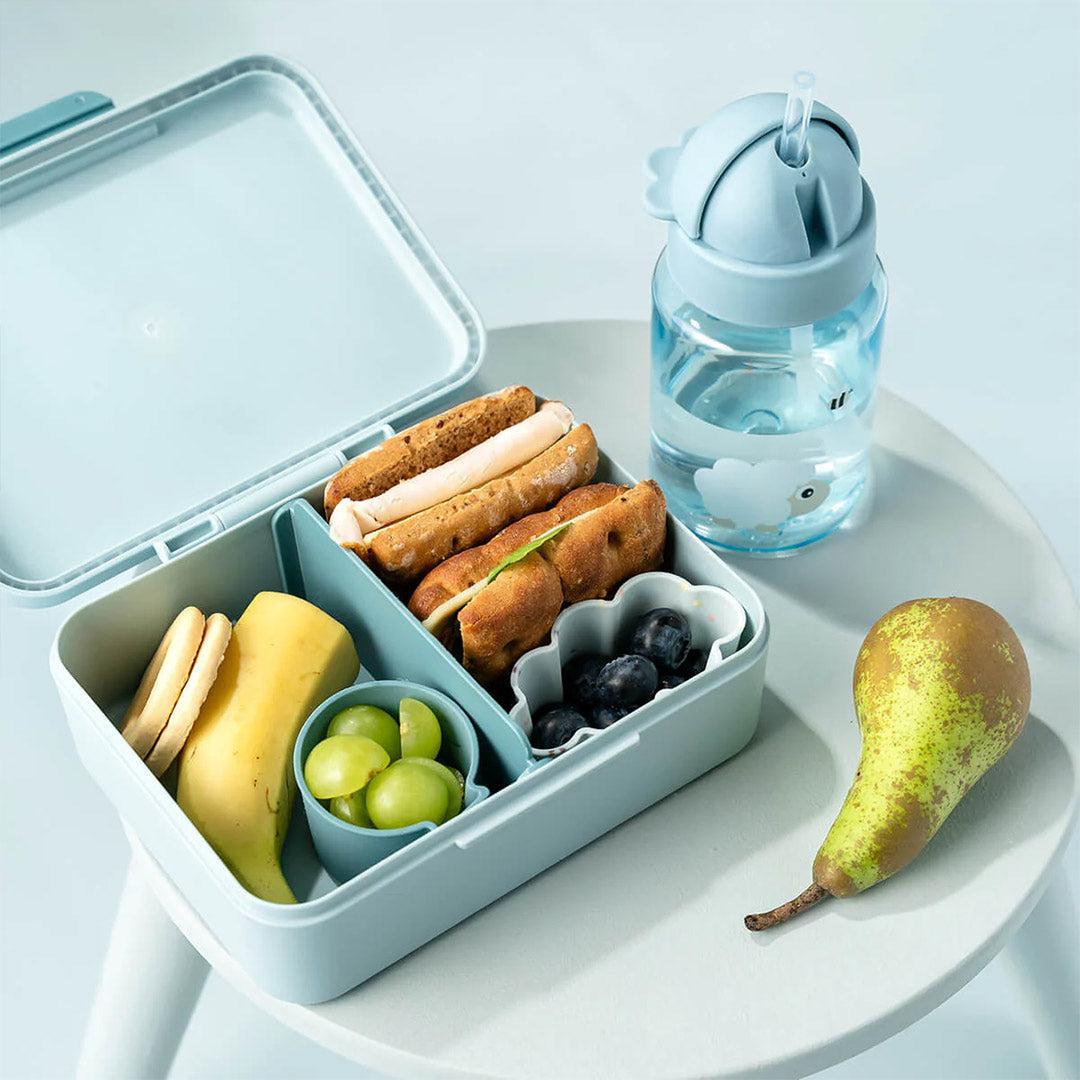
Bento boxes are often the most useful format for toddlers because they turn lunch into manageable little portions. A few strawberry halves, cucumber sticks, mini sandwiches and crackers can all sit separately, which helps with presentation and keeps textures from merging into one soft heap by midday.
They are especially good for selective eaters who prefer foods not to touch. If your toddler likes variety but in small amounts, a bento layout can make lunches feel more inviting. The thing to watch is depth.
Some beautifully designed compartment boxes are better for cold finger foods than bulkier meals like pasta or leftovers.

2. Leakproof lunch boxes
If your ideal packed lunch includes yoghurt, dips or juicy fruit, a leakproof design earns its place quickly. These styles usually rely on tighter seals and firmer lids, so they can be slightly less straightforward for very young toddlers to open alone.
For some families that is perfectly fine, especially in nursery settings where staff can help. Look closely at whether the whole box is leakproof or only individual pots inside it. That distinction makes a real difference.
A lunch box described as leak resistant may cope with apple slices but not a runny pouch transferred into a compartment.

3. Stainless steel lunch boxes
For parents building a more conscious feeding kit, stainless steel lunch boxes have clear appeal. They tend to be hard-wearing, long-lasting and timeless in design, which suits a more curated, buy-better approach. They also avoid the scratched, cloudy look some plastic boxes develop over time.
The compromise is usually that fully stainless steel styles are not always microwave safe and may have fewer playful design details. Some also need a separate silicone sleeve or lid to improve leak resistance.
Still, for durability and a premium finish, they remain one of the strongest options.

4. Soft lunch bags with inner containers
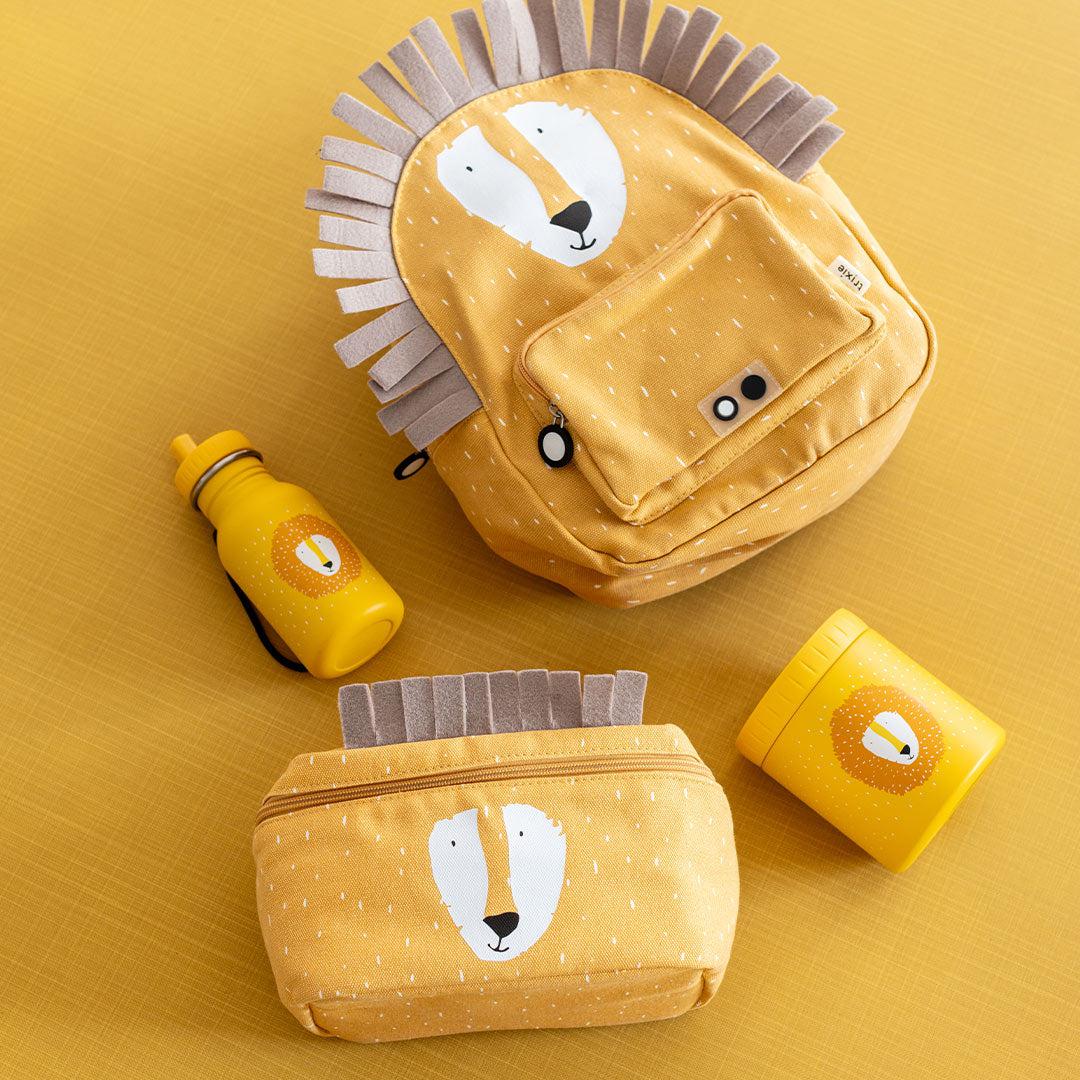
Sometimes the best setup is not one all-in-one box but a soft insulated lunch bag with smaller containers inside. This works well for longer nursery days or family outings where you want more flexibility. You can pack a main lunch box, an ice pack, a water bottle and a snack pot together in one tidy place. It's also helpful if your child’s lunch changes from day to day. The bag adds bulk compared with a single compact box, but for travel and bigger appetites it can be the more useful choice.
How to choose the best toddler lunch boxes for nursery
Nursery lunches tend to place different demands on a lunch box than picnics or car journeys. Labelling matters, easy cleaning matters, and independence often matters more than absolute leakproof performance.
If your child is at the stage of wanting to do everything themselves, test whether they can open the lid without frustration.
Think about the foods you actually pack most often. If lunch is usually sandwiches, fruit and dry snacks, you may not need an ultra-sealed box. If it is more often overnight oats, pasta salad or cottage cheese, your shortlist should look different. Buying around your real routine, rather than an aspirational one, usually leads to a better choice. Shape is easy to overlook, but it affects daily use.
A slim rectangular box slots neatly into most backpacks, while chunkier square styles can be harder to carry alongside spare clothes, bibs and comforters. If space is tight, dimensions matter as much as capacity.

Features worth paying for
Some details sound minor until you use a lunch box every day. Dishwasher-safe parts are a genuine time-saver, particularly in busy households. Removable seals are useful too, because they allow a more thorough clean and help prevent trapped food smells.
Thoughtful compartment design is worth the extra spend if it suits your toddler’s eating style. A good sectioned layout helps with portioning and can make it easier to offer a balanced mix without reaching for disposable wrappers. That small shift often supports a more sustainable routine over time. Insulation can be helpful, though it depends on how the lunch box will be used.
For short nursery mornings, it may not be essential. For all-day childcare, travel or warmer weather, it becomes more valuable. In many cases, pairing a lunch box with an insulated bag is more versatile than relying on the box alone.
Common mistakes when buying a toddler lunch box
One of the most common mistakes is buying for the next stage instead of the current one. A larger lunch box might seem practical because your child will grow into it, but if it feels cumbersome now, it is unlikely to become a favourite. Daily ease tends to matter more than future-proofing.
Another is focusing only on appearance. Design-led products absolutely have their place, especially when you are curating everyday essentials you enjoy using, but form should still follow function. The prettiest box in the cupboard is no help if it leaks in the buggy basket or takes ten minutes to hand wash.
It is also worth being realistic about snacks versus meals. Some containers marketed for toddlers are really better suited to snack portions. If you need a box for a full nursery day, check capacity carefully rather than relying on product photos.
A simple way to build a better packed lunch
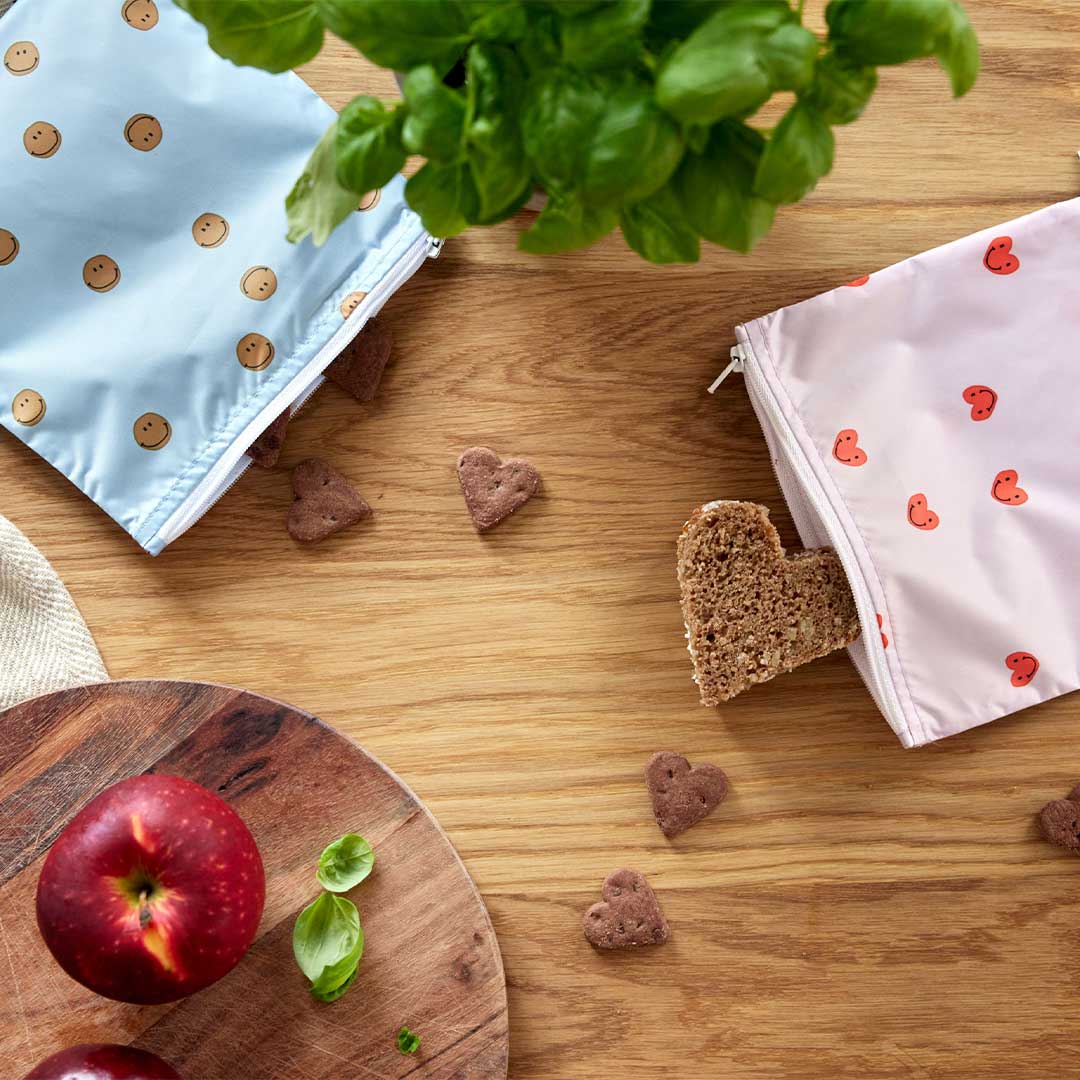
The best toddler lunch boxes support variety without making lunch prep feel like a project. A useful rule is to pack one familiar main item, one fruit or vegetable option, one filling side, and something easy to nibble on the go.
Compartment boxes make this feel naturally organised rather than overthought. This approach also helps reduce food waste. Smaller portions in separate sections tend to feel more manageable for toddlers, and you get a clearer sense of what they genuinely enjoy eating.
Over a few weeks, that makes lunch packing faster and more precise. If sustainability is part of your buying decision, a durable lunch box can quietly make a difference. Reusable containers cut down on cling film, foil and single-use snack bags, and a well-chosen style can stay in rotation for years rather than months.
That is often where premium value shows up most clearly - in the everyday products that keep earning their place.
Best toddler lunch boxes: what matters most
If you are choosing between a few strong options, come back to three questions. Can your toddler use it easily? Does it suit the food you really pack? Will it hold up to repeated washing, drops and busy mornings? Those answers usually tell you more than any trend-led feature list.
For some families, the best toddler lunch boxes are neat bento styles that make grazing lunches feel organised. For others, they are leakproof designs that handle messier foods without drama, or durable stainless steel pieces that align with a more considered, long-term approach to buying. It depends on your routine, your child and how you like to pack.
The right lunch box should make one small part of parenting feel lighter - and on a busy morning, that is more than enough.
Shop the full collection of Snack | Lunchboxes at Natural Baby Shower


