


Winter Baby Essentials for New Parents
Winter Baby Essentials for New Parents
The first cold snap changes everything. Suddenly, the muslins and short-sleeved bodysuits that felt perfectly practical a few weeks ago can leave you second-guessing every outing, nap and bedtime.
A well-planned winter baby essentials checklist helps take that uncertainty out of the season, so you can focus on keeping your baby warm, comfortable and safely dressed without overbuying.
Winter shopping for a newborn is rarely about buying more. It is about choosing the right layers, fabrics and home essentials for shorter days, colder temperatures and more time spent moving between heated indoor spaces and chilly outdoor air.
For most families, the sweet spot sits somewhere between cosy and breathable, with products that work hard across sleep, travel, changing and everyday routines.
What to include in a winter checklist for your baby
A strong winter edit starts with clothing, but it should not end there. The colder months tend to put more pressure on your sleep set-up, your pushchair accessories, and the small practical items that make daily life easier, from changing mats to bath towels.
For clothing, think in layers rather than thick, bulky outfits. Long-sleeved bodysuits, sleepsuits, cardigans and knitted outer layers are usually more useful than heavily padded pieces for indoors. Natural fibres such as cotton, merino wool and bamboo blends can be especially helpful because they are soft against delicate skin and better at regulating temperature than many synthetic alternatives.
If your baby runs warm, lighter layers may be enough even in winter. If your home tends to be draughty, you may lean more heavily on sleep bags, blankets for supervised use, and snug outerwear for trips out.
It is also worth keeping growth in mind. Newborns move through sizes quickly, so there is little benefit in overcommitting to one type of outfit. A smaller, more considered wardrobe often works better than drawers full of pieces that are the wrong weight or size by the time you need them.
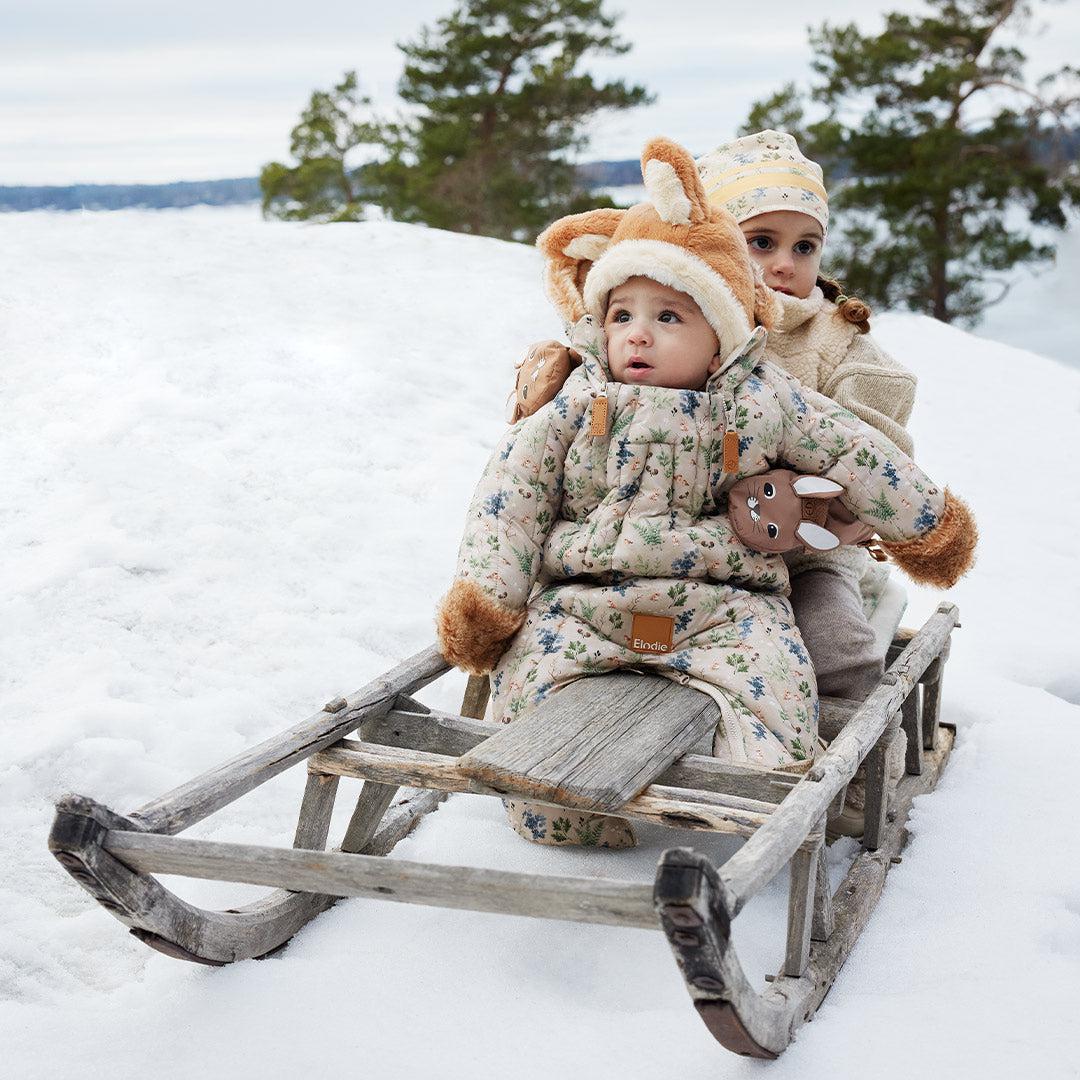
Winter clothing that earns its place
The most useful winter baby clothes are the ones that can be layered up or down with minimal fuss. Long-sleeved bodysuits form the base of most outfits, followed by sleepsuits or leggings and tops, then a cardigan or jumper if needed. For outdoor use, a pramsuit or warm coat-style layer can be helpful, particularly if you are walking regularly with the pushchair. Mittens, booties and hats are worth having, but their usefulness depends on how often you are outside.
Indoors, babies generally do not need hats, especially when sleeping, as this can increase the risk of overheating. Outdoors, a soft knitted hat that covers the ears can make all the difference on frosty mornings.
If you are building a thoughtful seasonal wardrobe, look for easy-fastening designs and fabrics that wash well. Winter laundry has a habit of piling up faster, whether it is due to spit-up, nappy leaks or simply more layers in rotation.
Winter baby sleep essentials checklist
Sleep is often the area where parents feel least sure during winter. The room can feel cool, but adding extra bedding is not always the safest answer. A winter baby essentials checklist should prioritise a safe sleep space first, then temperature management.
A firm, flat mattress and a clear cot or crib remain the foundation. From there, the most practical addition is usually a well-chosen baby sleeping bag in the right tog rating for your room temperature. This gives a more consistent layer of warmth than loose blankets and can help reduce the guesswork at bedtime. A room thermometer can be genuinely useful during colder months, particularly in older homes where nursery temperatures fluctuate overnight.
It helps you dress your baby for the room they are actually sleeping in, rather than the season on the calendar. Central heating, drafts and window placement all affect the nursery more than many parents expect.
How to balance warmth and safety at bedtime
The trade-off in winter is usually between warmth and overheating. Babies should feel warm at the chest or back of the neck, not hot or sweaty.
Cold hands and feet can be misleading, so they are not always the best indicator. If your nursery stays consistently cool, you may need a warmer tog sleep bag and an extra clothing layer underneath.
If your home is heavily heated, a lighter sleep bag and fewer layers may be more appropriate. This is why a one-size-fits-all checklist rarely works. The right set-up depends on your home, your baby and how your heating runs overnight. For naps on the move, it is tempting to rely on padded covers and blankets tucked around the pushchair. These can be practical, but always check airflow and avoid covering your baby’s face or using anything that causes overheating.
Breathable footmuffs designed for pushchair use are often a more dependable cold-weather choice.
Travel and out-and-about winter essentials for baby
Winter travel asks a bit more of your kit. School runs, weekend walks and quick errands can all feel more complicated once temperatures drop, especially with a newborn. For pushchair journeys, a footmuff, rain cover and weather-ready changing bag are among the most useful additions.
The right footmuff gives warmth without endless blanket readjusting, while a rain cover protects against wind and showers as well as rain. If you are due in the colder months, this can be one of the hardest-working accessories in your travel set-up.
For car travel, warmth needs a different approach. Thick coats and padded snowsuits should not be worn under a car seat harness because they can affect how securely the straps fit. Instead, dress your baby in thinner layers, fasten the harness snugly, then add a blanket or car seat-safe cover over the top once they are strapped in. It is a small distinction, but an important one.
A compact changing pouch, spare sleepsuit, muslin and warm layer are worth keeping in the car or changing bag throughout winter. Muddy pavements, delayed appointments and weather changes make back-up essentials feel less optional this time of year.

Nursery and home comforts for colder months
A winter-ready nursery is usually about comfort rather than clutter. You do not need to fill the room with seasonal extras, but a few considered additions can make everyday care easier.
Soft hooded towels are particularly useful after evening baths, when rooms can cool quickly. A gentle bath thermometer can help if you are still getting confident with newborn care, and a warm changing mat cover can make middle-of-the-night nappy changes less jarring.
If the air in your home becomes dry when the heating is on, some families find that using a humidifier helps the room feel more comfortable, especially when babies have mild congestion. That said, it is not a universal essential. If your home holds moisture well, you may not need one at all.
Lighting matters more in winter than many parents anticipate. With darker mornings and earlier evenings, soft nursery lighting can make feeds, changes and bedtime feel calmer. It is a small design detail, but one that often improves the overall rhythm of the season.
A few items that are often worth skipping
Not every winter product deserves a place in your basket. Heavy bedding for sleep spaces, oversized padded car seat inserts that are not approved for your model, and too many occasion outfits tend to create more stress than value. The same goes for buying every size in advance.
Winter babies grow fast, and the weather in Britain can vary wildly from mild and damp to sharply cold. A more flexible, curated approach usually serves families better than stockpiling based on best guesses.

Choosing winter baby essentials with longevity in mind
For many parents, winter shopping is also a chance to buy more intentionally. Pieces made from durable, natural or responsibly sourced materials often feel better day to day, but they can also hold up well for future siblings, gifting or pre-loved use. This is especially relevant for bigger-ticket categories such as pushchair accessories, nursery furniture and sleep products.
Choosing quality over quantity can make the season feel simpler, not just more polished. A premium edit should still earn its place through comfort, practicality and longevity.
Natural Baby Shower’s approach to seasonal shopping leans into exactly this kind of curation - products that look beautiful, work hard and support real family life beyond one winter. That might mean selecting a versatile footmuff instead of several blankets, or choosing a sleep set-up that adapts as your baby grows. If you are unsure where to begin, start with the moments that happen every day: sleep, getting dressed, changing, bathing and leaving the house.
Once those are covered, the rest of your winter baby essentials checklist becomes much easier to refine. The best winter purchases are rarely the flashiest ones. They are the pieces you reach for before every nap, every chilly pram walk and every early-evening change, because they make the season feel calmer from the start.


