


What is a Travel System?
What is a Travel System?
You’re at the boot of the car, baby in one arm, changing bag slipping off your shoulder, and it’s started raining - of course it has. This is the moment a travel system either feels like the most sensible purchase you’ve made… or a slightly expensive puzzle you still haven’t worked out.
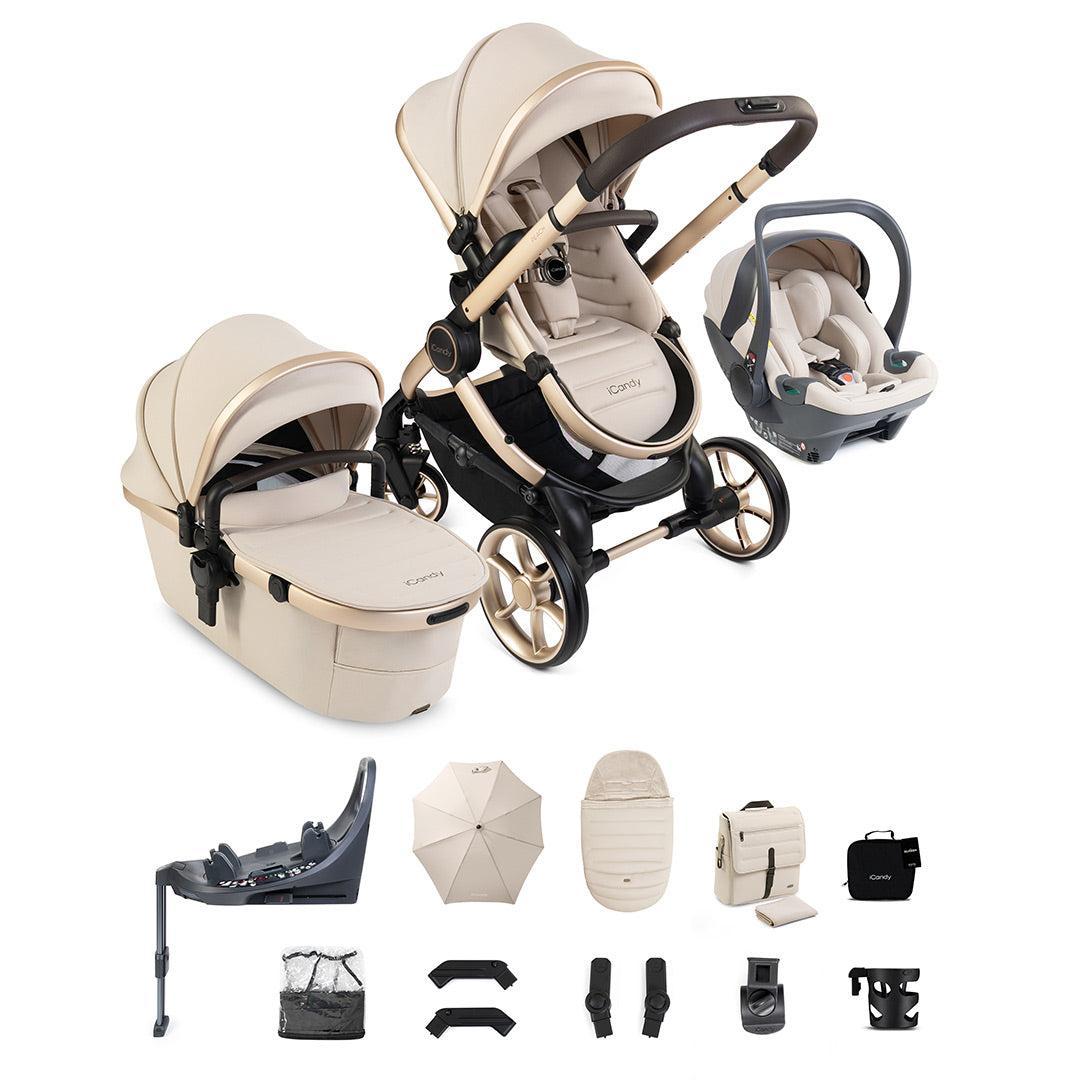
So, what is a travel system? It’s a pushchair setup designed to handle multiple ways of travelling with baby using one coordinated set of parts - usually a pushchair chassis paired with a carrycot (or lie-flat seat) and a compatible infant car seat that clicks on and off.
What is a travel system pram?
A travel system is an all-in-one travel solution that lets you move your baby between car and pushchair with minimal disruption. Instead of buying a pram, then later a pushchair, then trying to make a car seat fit into the mix, you start with a modular system where components are designed to work together.
Typically, the “system” is built around a wheeled chassis (the frame). Onto that chassis you can attach different “modes” depending on your baby’s age and what you’re doing that day - a carrycot for newborn naps, a pushchair seat for upright exploring, and an infant car seat for car journeys and quick transfers.
In the UK, you’ll often hear people say “travel system” when they mean a pushchair bundle that includes the car seat (and sometimes the carrycot) in one purchase. The detail matters because bundles vary, and it’s worth checking what’s actually in the box.
What’s usually included in a travel system?
Most travel systems have three core elements, although brands package them differently.
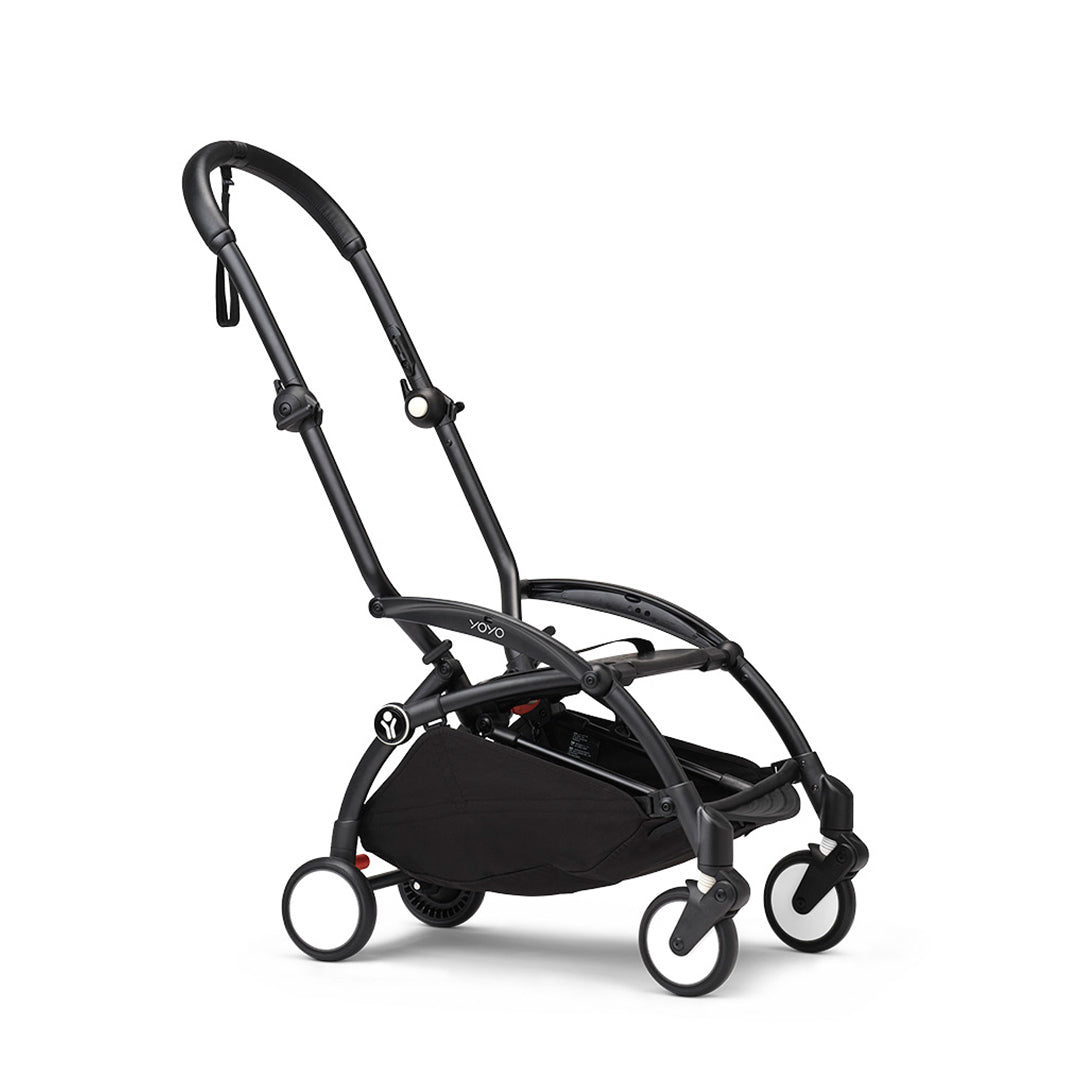
The chassis (frame)
This is the base of the system: wheels, suspension, fold mechanism, handlebar, and shopping basket. If you care about one-hand folding, compact storage, lightweight lifting, or all-terrain wheels, you’ll feel those differences most in the chassis.
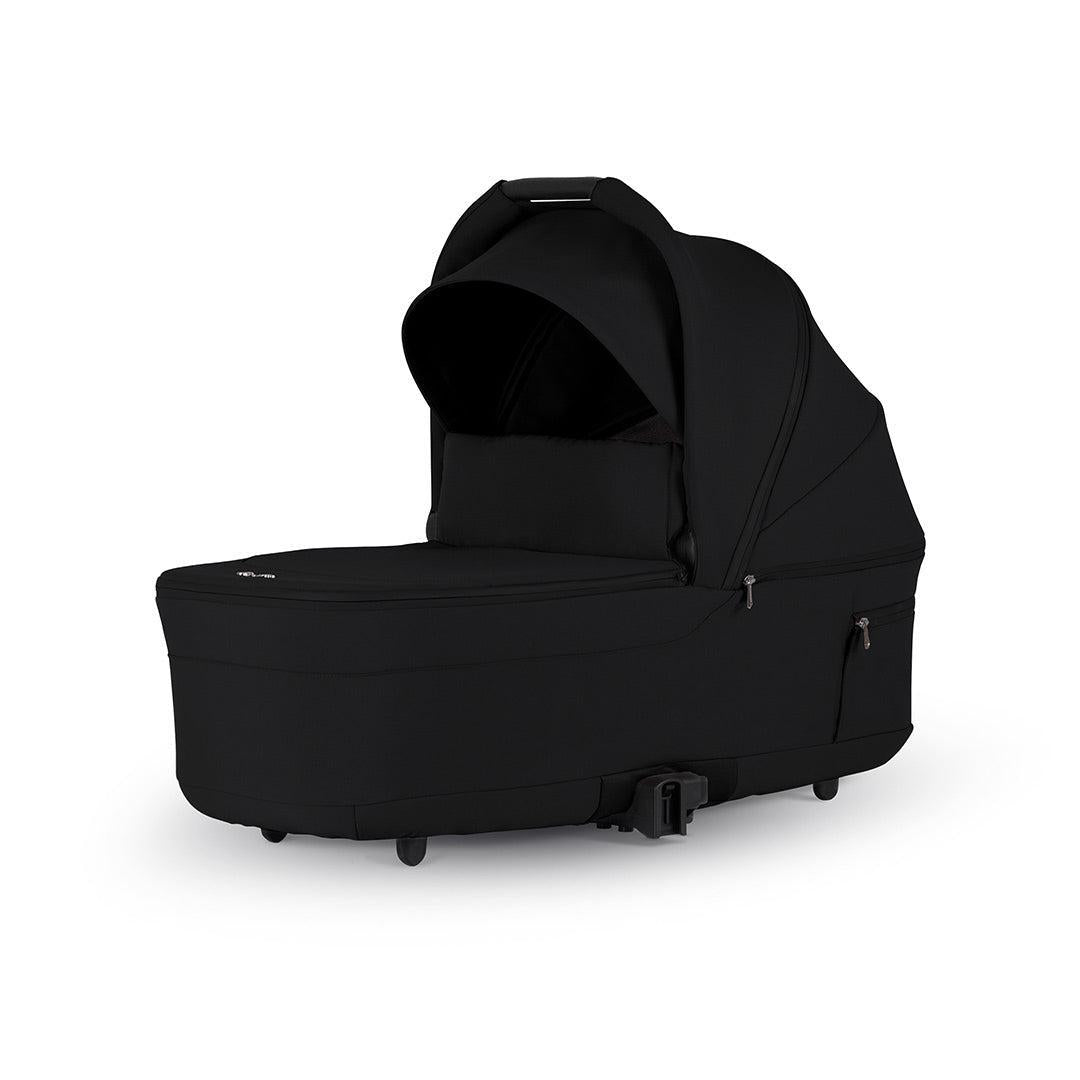
A carrycot or lie-flat newborn option
For newborns, you want a lie-flat space for longer periods out and about. Some travel systems include a dedicated carrycot, which can feel more traditional and cosy, and is often sleep-approved for overnight use (not always - check the manufacturer guidance).
Others offer a fully lie-flat pushchair seat that’s suitable from birth, which can reduce storage needs and cost.
An infant car seat
This is the Group 0+ or i-Size baby car seat element designed for newborns through roughly 12-15 months (depending on height and weight limits). In a travel system, the infant car seat is either included or sold as part of a bundle. To attach the car seat onto the chassis, you may need adaptors.
Some brands build the click-on fittings into the frame; others use small adaptor pieces that stay in your changing bag or live on the chassis.

Travel system pram vs pram vs pushchair: the practical difference
In everyday UK parenting chat, “pram” can mean almost anything with wheels. But when you’re buying, the distinctions are more specific. A pram traditionally refers to a carrycot-style setup for newborns, where baby lies flat.
A pushchair is usually the upright seat you move into as baby grows.
A travel system combines the pushchair base with multiple attachments so you’re not switching to a completely different product six months later.
The advantage is continuity: you learn one fold, one brake, one basket, one set of wheels - and you just swap the top.
Why parents choose a travel system (and when it’s not the best fit)
A travel system can be brilliantly convenient, but it isn’t automatically the right answer for everyone. If you do lots of car-to-pavement trips - nursery drop-offs, quick supermarket runs, regular visits to family - the click-and-go car seat option is genuinely helpful. It can also be reassuring for first-time parents because the bundle approach reduces decision fatigue. You’re not trying to match random parts from different brands and hoping it all works.
On the other hand, travel systems can be heavier and bulkier than a single lightweight pushchair. If you live in a top-floor flat with narrow stairs, use public transport daily, or need something that folds very small, you may prefer a compact pushchair plus a separate, carefully chosen car seat.
It also depends on how you plan to use the car seat attachment. It’s ideal for short transfers, but most safety guidance recommends babies don’t spend extended periods in a car seat outside of the car. For longer walks or day trips, a carrycot or lie-flat seat is the better choice.
The car seat piece: compatibility, safety, and real-world use
The car seat is the most regulated and safety-critical part of the system, and it’s also where the “bundle” can be misleading. A travel system might include an infant car seat that fits the pushchair perfectly, but you still need to check whether it suits your car and your lifestyle.
For example, you may want a rotating base for ease if you’re doing multiple daily journeys. Some families choose a travel system where the pushchair and carrycot come from one brand, then select a different brand’s car seat that better suits their car or priorities.
That can be done, but it relies on correct adaptors and compatibility. If you’re deciding between two bundles, treat the car seat as its own decision as much as a “nice extra”. A car seat that’s a great fit for your baby and installs securely in your car beats a bundle bargain that doesn’t feel right in real life.
How to choose the right travel system for your life
Start with the routes you actually do, not the fantasy version where you’re strolling a sleepy newborn through a sunlit park every morning.
If you’ll be walking on uneven pavements, country paths, or you want an easier push with one hand, look at wheel size, suspension, and manoeuvrability. If you’re in town and often folding one-handed while holding a coffee, prioritise fold speed, weight, and how small it goes. Think about your storage too.
Carrycots can be wonderfully newborn-friendly, but they take up space in hallways and boots.
A lie-flat seat unit may be the more modern, minimal option. And be honest about carrying.
A heavier, luxe chassis might feel dreamy to push but awkward to lift into a car boot after a long day.
If you’ll be lifting daily, weight and balance matter more than you expect.
Newborn to toddler: how long does a travel system last?
A travel system is designed to take you from birth through toddlerhood, but not every component lasts the same length of time. The carrycot stage is usually the shortest - often up to around six months, depending on your baby’s size and when they start rolling or sitting up.
The infant car seat often lasts to 12-15 months, again depending on height limits. The pushchair seat typically goes much longer, commonly to around 22kg in many modern models. That staggered timeline is normal. You’re not “failing” the system when you outgrow the car seat - it’s simply the point where you move to the next-stage car seat, while keeping the pushchair.
Sustainability and value: buying once, buying well
A travel system can be a more considered purchase because it encourages you to commit to a chassis you’ll keep for years, then adapt around it as your baby grows. That often means fewer impulse buys and less gear churn.
If sustainability is part of your decision-making (as it is for many modern UK parents), look for durable materials, replaceable wheels, washable fabrics, and brands that offer spare parts. Pre-loved can also be a smart route for big-ticket items, especially if you can verify condition and safety history - although we always recommend buying your car seat new.
The small details that make a big difference
When two travel systems look similar on paper, it’s usually the everyday details that decide it. Handlebar height matters if you’re tall, or if two caregivers will share pushing. Basket access matters more than basket size - some are roomy but blocked by the seat recline. Fabrics matter in British weather, especially if you’re choosing pale colours and you’re realistic about muddy parks.
Also consider whether the seat can face you and face the world, and how easy it is to switch. For some babies, parent-facing is the difference between a calm walk and a full-volume protest.
A travel system should make life simpler, not turn every outing into a mini engineering project. If it folds easily, fits your boot, suits your routes, and supports safe, comfortable sleep on the go, you’ll feel that payoff every single day.
Closing thought: if you’re torn between two options, choose the one that you can imagine using when you’re tired, it’s raining, and you’re doing everything one-handed - that’s the version of you a travel system is really for.


