


How to Build a Baby Registry
How to Build a Baby Registry
A baby registry can get overwhelming surprisingly fast. One minute you are saving a few sweet muslins and a beautifully designed pram, and the next you are comparing mattress types, bottle shapes and whether you really need a baby bouncer.
If you are wondering how to build a baby registry without ending up with duplicates, gaps or panic buys, the key is to treat it less like a wishlist and more like a practical plan for your first year. The best registries feel thoughtful rather than excessive.
They cover the categories that matter most, reflect how you actually live, and leave room for generous gifts at different price points. For many parents, that means balancing safety, style, longevity and sustainability rather than simply adding the most talked-about products.
How to build a baby registry from real life, not guesswork
Before you add a single product, pause and think about your day-to-day. Are you city-based and short on space, or do you have a bigger home and a car used daily? Will baby sleep in your room for the first few months? Are you hoping to breastfeed, combination feed or keep your options open?
These details shape a registry far more than trends do. It also helps to think in stages. Newborn needs are immediate, but your registry should carry some weight beyond the first eight weeks. A well-built registry usually includes a mix of essentials for day one, useful items for the first six months, and a few pieces that support everyday routines as baby grows.
This is where curated shopping becomes genuinely helpful. Looking by life stage and use case - travel, sleep, feeding, changing and nursery - makes decision-making feel more manageable, especially when you are buying across several categories at once.

Start with the big-ticket essentials
Most parents begin with the items they would rather choose carefully themselves. Travel is often top of the list, especially if you want a pushchair and car seat that work well together.
If you drive regularly, car seat compatibility and ease of installation matter far more than whether a pushchair is currently trending. If you walk most places, weight, fold and storage may become the deciding factors. For the nursery, think about what is necessary now and what can wait.
A safe sleep setup is the priority, whether that is a bedside crib, cot or Moses basket for the early weeks. A quality mattress is not the place to compromise, and fitted sheets, waterproof mattress protectors and a couple of sleep sacks are often more useful than decorative extras.
Furniture can be added strategically. Some parents want a full nursery ready before baby arrives, while others prefer to start with a compact sleep and changing setup, then build the room gradually. There is no prize for having every drawer filled by 30 weeks.
Build your registry by category
Travel
Travel is one of the most technical areas, so keep your focus on function. A registry here might include a pushchair, carrycot if needed, infant car seat, adapters, footmuff, changing bag and rain cover.
The right setup depends on your routine. A lightweight stroller is brilliant for public transport and quick errands, but it may not replace a more supportive travel system if you are out for longer stretches.
If grandparents or other carers will help regularly, think about practical add-ons that make handovers easier. An extra car seat base or an organised nappy caddy can be the sort of gift that gets used constantly.
Sleep
Sleep products deserve a careful, edited approach. New parents are often gifted lots of sleep-themed items, but not all of them are useful. Start with the essentials: a safe sleep space, mattress, sheets, cellular blankets and sleep bags in the right size and tog for the season.
White noise, a dim night light or a baby monitor can also be worth adding, but avoid filling your registry with products that promise miracle sleep. Some families love them, some never use them. It depends on your home, your baby and your appetite for extra kit.

Feeding
Even if you have a strong feeding plan, leave some flexibility in this category. A registry can include muslin cloths, bibs, burp cloths, bottles, bottle brush, sterilising solution and nursing support items, but you do not need to overcommit before baby arrives.
If you plan to breastfeed, comfortable nursing bras, breast pads and a supportive feeding pillow can be genuinely useful gifts. If you are considering expressed milk or combination feeding, it may make sense to include a few bottle-feeding essentials without stocking an entire cupboard. Feeding journeys rarely follow a script.
Changing and bath time
This category tends to earn its place very quickly. Nappies, wipes, changing mats, nappy caddies, hooded towels, bath supports and gentle baby care products all sound small on their own, but together they shape everyday routines. It is also a good area for practical gifting at different budgets.
Some people prefer to buy a special keepsake, while others would love to choose the things you will use several times a day. Both belong on a well-balanced registry.

Clothing and everyday layers
Babies go through sleepsuits and vests at a remarkable pace, but there is no need to add a whole wardrobe in newborn size. A better approach is to include a sensible range of sizes and focus on soft, comfortable layers you can use in different temperatures.
You may also want a few seasonal pieces depending on your due date, such as knitwear, pramsuits, sun hats or lightweight blankets. Keep style in the mix, but prioritise easy changes and washable fabrics.
Include different price points
One of the simplest ways to make your registry more useful is to vary the spend. Not everyone wants to buy a major travel item, and not everyone wants to turn up with only a pack of muslins.
A thoughtful registry gives guests options. That could mean a few investment pieces, several mid-range essentials and plenty of smaller gifts that still feel considered.
Baby carriers, cot sheets, swaddles, soft toys, weaning sets and baby skincare often sit nicely in the middle, while bibs, teethers and bath accessories are easy additions at a lower price point.
If family members are planning to group together on a larger item, that can also work well for bigger nursery or travel purchases. It gives you access to products you really want without relying on guesswork later.
Leave room for sustainable choices
For many modern families, how a product is made matters almost as much as how it looks or performs. If sustainability is part of your decision-making, your registry should reflect that from the start. That might mean choosing durable products designed for long-term use, materials with a lighter environmental footprint, or pieces with second-life value rather than fast replacements.
It can also mean selecting fewer, better items. Premium does not have to mean excessive. Quite often, it means a product lasts longer, works harder and feels better integrated into family life.
This is especially worth considering in categories such as nursery furniture, textiles, baby carriers and everyday accessories. Products that can be reused for future children, passed on or resold tend to offer better value over time.
What not to add too early
A good registry is curated, not crowded. The most common mistake is adding too much before you know what your baby will actually like or need. Items such as specialist feeding products, lots of newborn clothing, large quantities of blankets or multiple baby containers can be easy to overbuy.
The same goes for products that solve very specific problems you may never have. Start with a strong core, then keep a private list of nice-to-haves for later. You should also be realistic about space. If you live in a smaller home, dual-purpose products and compact storage matter. A beautifully styled nursery is lovely, but not if it leaves no room to move around at 3am.
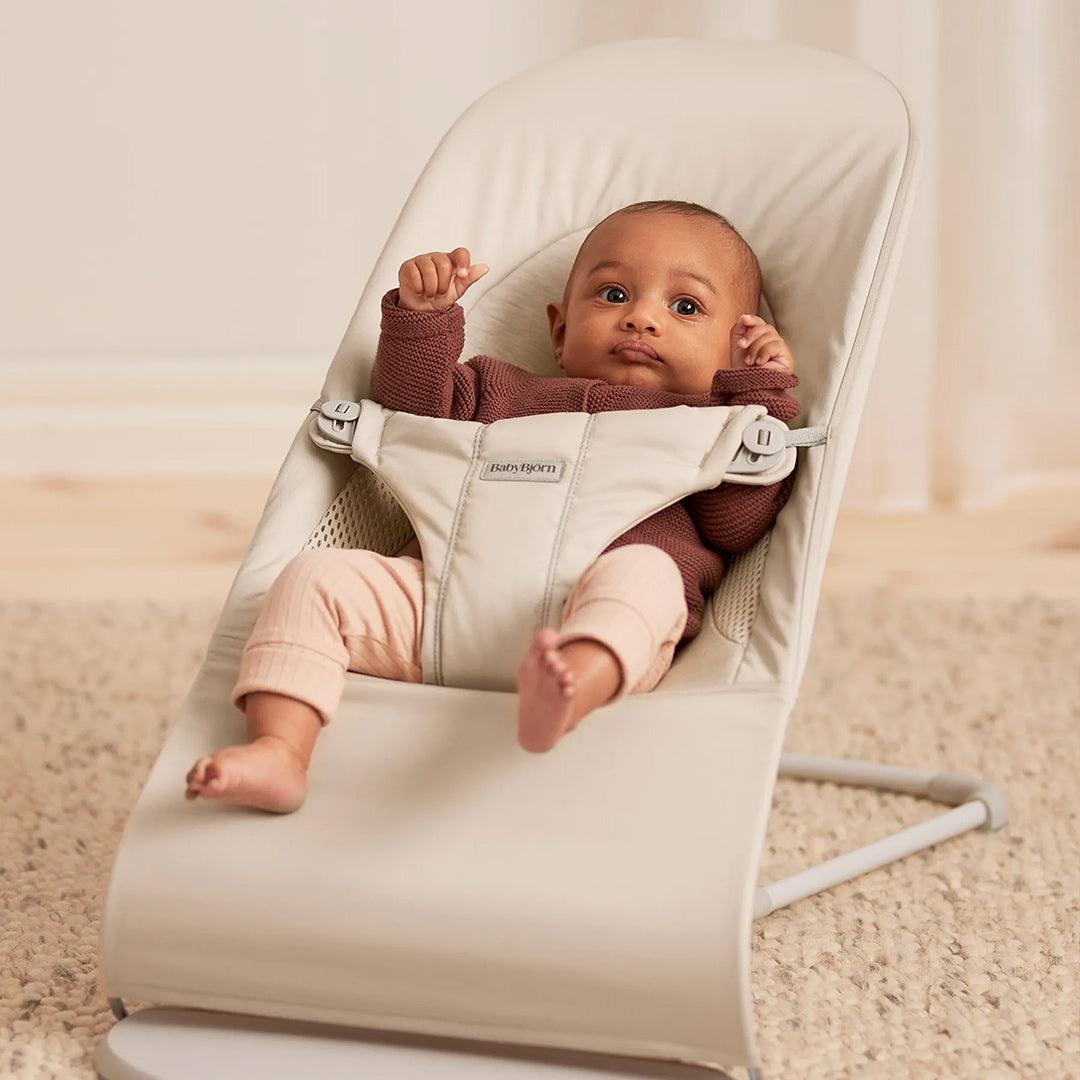
How to build a baby registry that still feels like you
Practicality matters, but so does choosing products you genuinely like using and looking at. You will be living with these pieces every day, often while tired and short on time. A registry that reflects your home, your style and your values will feel far more considered than one built around trends alone.
This is where design-led details can make a difference. Neutral textiles, well-made storage, coordinated nursery pieces and thoughtfully chosen accessories can make everyday parenting feel calmer and more organised. There is nothing superficial about wanting products that perform well and sit beautifully in your home.
If you are building your list with a retailer such as Natural Baby Shower in mind, it helps to lean into curated edits and stage-based shopping. That makes it easier to choose products that work together, whether you are planning a complete nursery, a travel setup, or simply trying to cover newborn essentials without missing the practical bits. Try to finish your registry a few weeks before your baby shower or before sharing it more widely. That gives people time to shop and gives you time to review what is missing. You can always refine it as your due date gets close.
The best baby registry is not the fullest one. It is the one that helps you feel prepared, supported and a little more settled before everything changes in the loveliest possible way.


