


Hospital Bag Packing
Hospital Bag Packing
Packing your hospital bag rarely feels like a small task. It usually happens somewhere between timing Braxton Hicks, washing tiny sleepsuits and wondering whether you really need three different muslins. That is exactly why real-life hospital bag packing examples can be more useful than a long checklist - they show what actually makes sense, what tends to get used and what is often packed just in case.
For most UK parents, the sweet spot is a bag that feels prepared but not overfilled. Maternity units vary, birth plans change and length of stay can be hard to predict, so the goal is not perfection. It is to pack thoughtfully, cover the essentials and leave enough room for comfort.
Hospital bag packing for different births
There is no single version of the right hospital bag. A first baby, a planned caesarean and a straightforward second birth all tend to shape your choices differently. Looking at a few hospital bag packing examples makes that easier to see.
The light pack for a straightforward vaginal birth
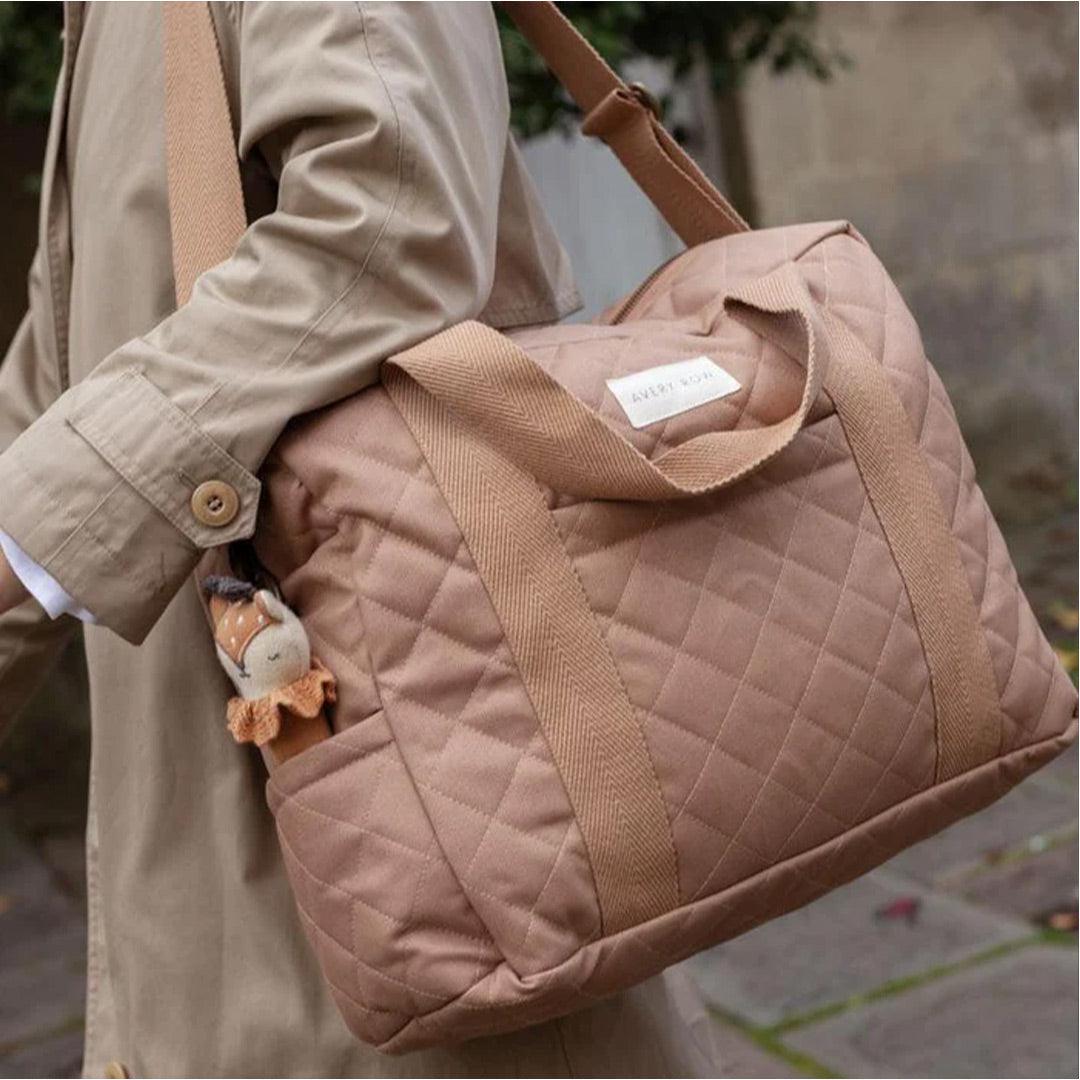
If you are hoping for an uncomplicated birth with a short stay, a compact holdall or cabin-sized bag is often enough. In this version, your focus is comfort during labour, a change of clothes afterwards and practical newborn basics.
You might pack a loose labour outfit or oversized nightdress, a lightweight dressing gown, grippy socks or slippers, maternity pads, large pants, toiletries, lip balm, a mobile phone charger and a water bottle. Add snacks that are easy to nibble, plus your notes and any paperwork your unit has asked for.
For baby, think in simple outfit changes rather than full wardrobe options. Two or three sleepsuits, a couple of vests, a cardigan, a hat, muslins, nappies, cotton wool or gentle wipes, and a blanket usually cover a short stay well. If you are leaving hospital by car, the car seat should already be installed and checked rather than treated as a last-minute extra.
The organised pack for an induction or longer stay
An induction can mean more waiting, more monitoring and more time on the ward before baby arrives. In that case, a slightly more structured bag setup tends to work better than one large everything-in-one-place holdall.
Many parents split this into sections using pouches or packing cubes. One for labour, one for postnatal recovery and one for baby. That way, you are not searching for a mobile phone charger or newborn vest at 2am under a pile of spare knickers and snacks.
This bag often includes the same basics as above, but with extras that earn their space. A longer charging cable becomes genuinely helpful. So do extra snacks, an eye mask, spare underwear, another nightdress, extra maternity pads and a second comfortable outfit for the ward.
For baby, you may want another set or two of clothes in both newborn and up to one month sizes, because sizing can be unpredictable.
The planned caesarean bag
A caesarean changes the comfort equation. Clothing that sits high above the incision usually matters more than what looks neat in photos, and getting in and out of bed can feel harder than expected in the first day or two.
Pack soft, loose nightwear that opens easily for feeding or skin-to-skin, high-waisted underwear, extra maternity pads, slippers with a firm sole, and toiletries you can use quickly. A handheld fan, water bottle with straw and a small pillow for the journey home can also be worth it.
For baby, the packing list stays relatively similar, but your own recovery needs deserve more room in the bag than they sometimes get.
What actually earns a place in your bag
The best-packed hospital bags are not the ones with the most items. They are the ones where each piece has a job. Premium, well-made essentials often help here because they tend to be softer, easier to use and less likely to let you down when you are tired. Clothing should be easy rather than aspirational.
Soft layers, front-opening pyjamas or nightdresses, and maternity underwear that allows room for pads are usually more useful than anything fitted. If you plan to breastfeed, feeding-friendly styles can make those first hours simpler, but if you are undecided, regular comfortable clothing is still fine. Flexibility matters more than ideal scenarios. Toiletries are another area where overpacking happens fast.
Stick to the version of your routine that feels grounding, not your whole bathroom shelf. Travel sizes work well, especially if they are products you already know and like. A gentle face mist, lip balm and hair ties often get used more than makeup. Snacks deserve a mention because they are often underestimated.
Hospital meals and timings vary, and your birth partner may need food too. Think practical rather than crumbly: flapjacks, dried fruit, oat bars, nuts if allowed, and drinks that are easy to grab.
Baby essentials that are useful, not excessive
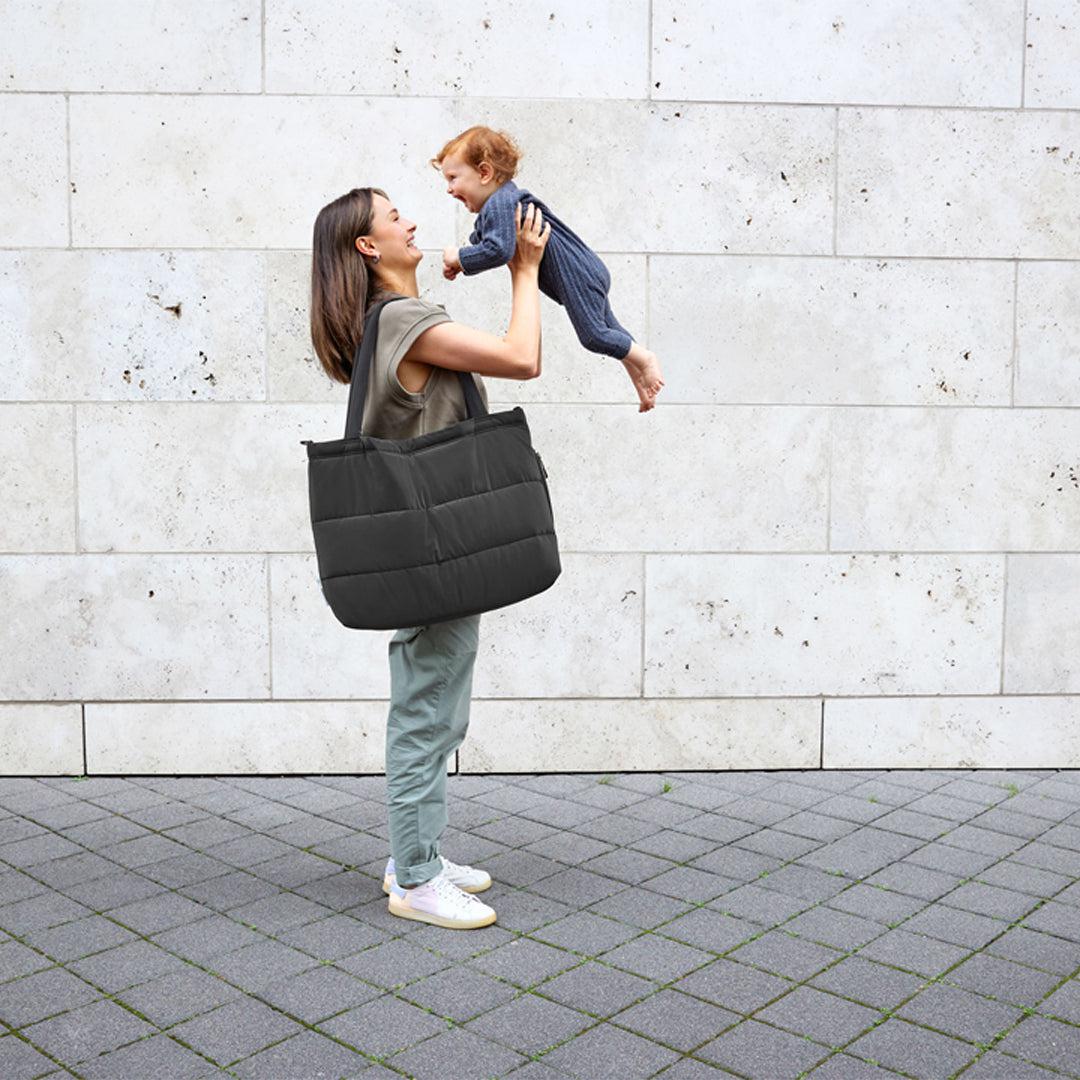
It is easy to pack for baby as though you are heading away for a week. In reality, newborn needs are simple, even if the list looks long at first glance. A few soft sleepsuits and vests, one outer layer, muslins, nappies and a blanket are the core pieces. Choose fabrics that feel comfortable against new skin and are easy to change quickly.
Tiny poppers at 3am can test anyone's patience, so practical design wins. One area where it helps to be realistic is sizing. Some babies are swimming in newborn, others go straight into first size. Packing one or two options avoids stress without creating clutter. The same goes for nappies - take enough for a day or two, but there is no need to bring a full bulk box.
If you want to add a going-home outfit, make it one you genuinely like but keep expectations grounded. Soft, weather-appropriate and easy to put on will always beat decorative.
Don’t forget the birth partner bag
The partner bag is often packed as an afterthought, then becomes the bag everyone relies on. If your partner or support person will be with you for labour and beyond, a few smart additions make a real difference.
A change of clothes, toiletries, a mobile phone charger, snacks and water are the obvious basics. Less obvious but very useful are a layer for cold waiting areas, any medication they need, and enough battery or payment options for parking and vending machines. If they are responsible for photos, playlists or notes, make sure those are sorted in advance rather than left half-ready.
It can also help for one person to know where everything is. A beautifully packed bag loses its appeal if nobody can find the maternity pads.
How to pack your hospital bag without overpacking
A good rule is to pack in categories, not in panic. Think labour, recovery, baby and partner. Once you can see the bag in those sections, duplicates and nice-to-haves become more obvious. This is also where a more curated approach helps.
Instead of adding five versions of the same item, choose one or two that do the job well. A single soft blanket, a dependable changing pouch and comfortable maternity basics will usually serve you better than stuffing every remaining space with extras. Timing matters too.
Aim to have your bag packed by around 35 to 36 weeks, especially if you have a history of early labour, a planned induction or you are simply more comfortable knowing it is done. Keep everyday last-minute items on a note near the bag - glasses, mobile phone, charger, notes and any medication - so you are not unpacking it every few days.

The items people often wish they had packed
When parents talk afterwards, a few things come up again and again. Not luxury additions, just small comforts that turn out to be surprisingly valuable. A longer charging cable is one. Lip balm is another, especially on warm wards or during long labour.
Extra snacks, a soft towel, flip-flops for the shower and one clean, comfortable outfit for the journey home also tend to earn their place. Then there are the depends-on-you items. Some parents love having a speaker, essential oil roller or their own pillow.
Others want the lightest possible bag and would rather skip all of that. If an item makes you feel calmer and it is easy to bring, it may be worth packing. If it adds bulk and pressure, leave it out.
A final note on packing well
The most useful hospital bag is not the most photogenic one or the fullest one. It is the one packed with a clear head, a little flexibility and a strong edit of what will genuinely support you. If your choices feel comfortable, practical and ready for a few different scenarios, you are probably packing exactly as you need to.


