


Best i-Size Car Seat 2026: What to Buy
Best i-Size Car Seat 2026: What to Buy
You can do ten minutes of car seat research and feel confident - until you realise i-Size isn’t one “type” of seat at all. It’s a safety standard that covers everything from first rides home to the school run, and the best choice in 2026 depends on your child’s stage, your car, and how you actually travel.
This is the buying edit we’d give a friend: what i-Size really means, what’s changed in the market, and how to choose the best i-Size car seat 2026 for your family without overbuying.
What i-Size means in 2026 (and why it matters)
In the UK, i-Size refers to the UN R129 regulation. In plain terms, it focuses on improved side impact testing, categorises seats by height (rather than weight), and strongly supports rear-facing travel for longer.
For you, it means shopping gets clearer but also more specific. You’re not just choosing “a car seat”. You’re choosing a stage-appropriate seat that fits your vehicle, suits your lifestyle, and keeps your child in the safest position for as long as practical.
One nuance parents often miss: i-Size does not automatically mean “isofix only”. Many R129 seats use ISOFIX, but there are belted R129 options too. And while i-Size compatibility originally implied a more standardised fit, real-world installation still varies by car and by seat base.
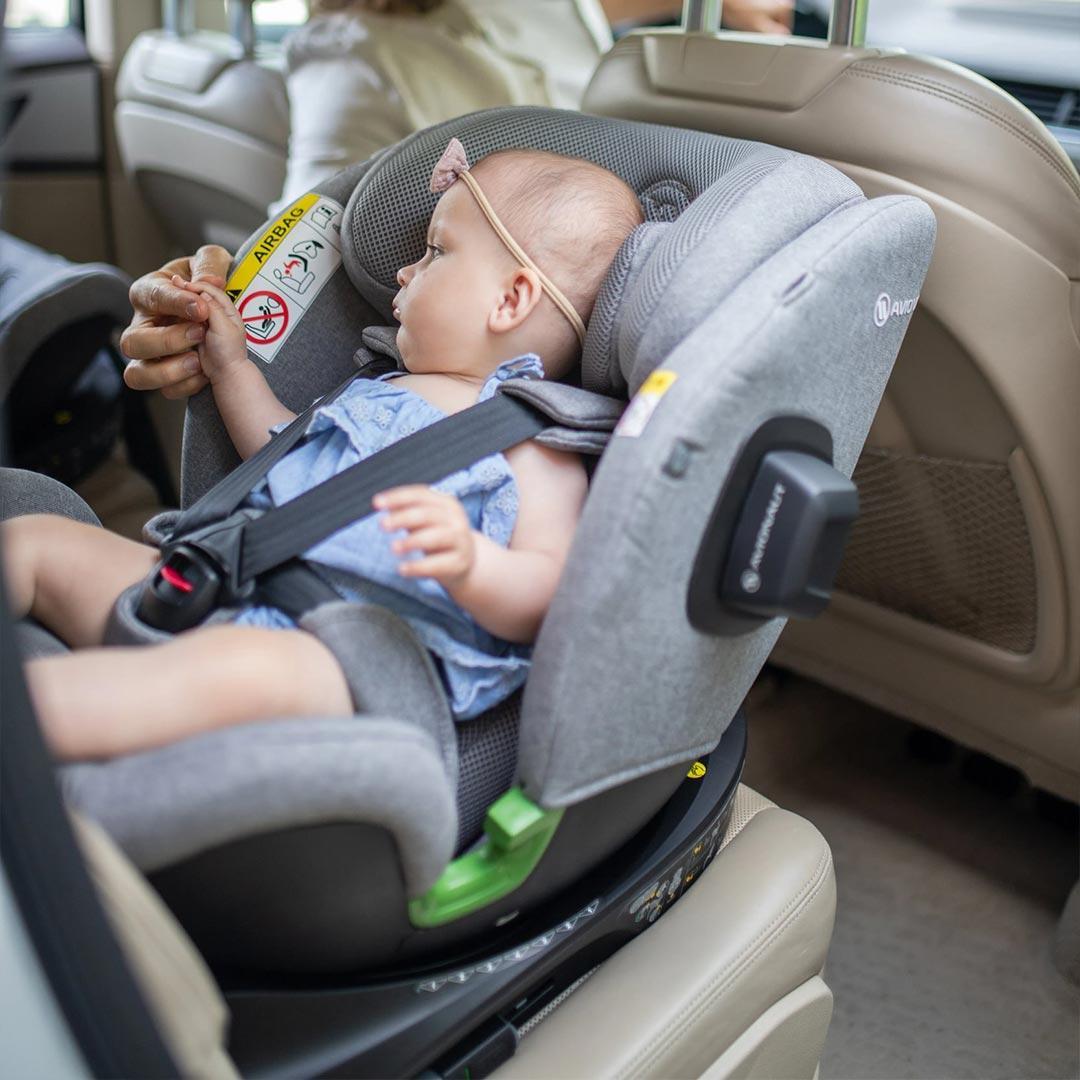
The best i-Size car seat 2026 depends on your stage
Instead of one winner, 2026’s market breaks into three families. Each has clear strengths, and each comes with trade-offs worth being honest about.
1) Newborn to 12-15 months: i-Size infant carriers (40-75/87cm)
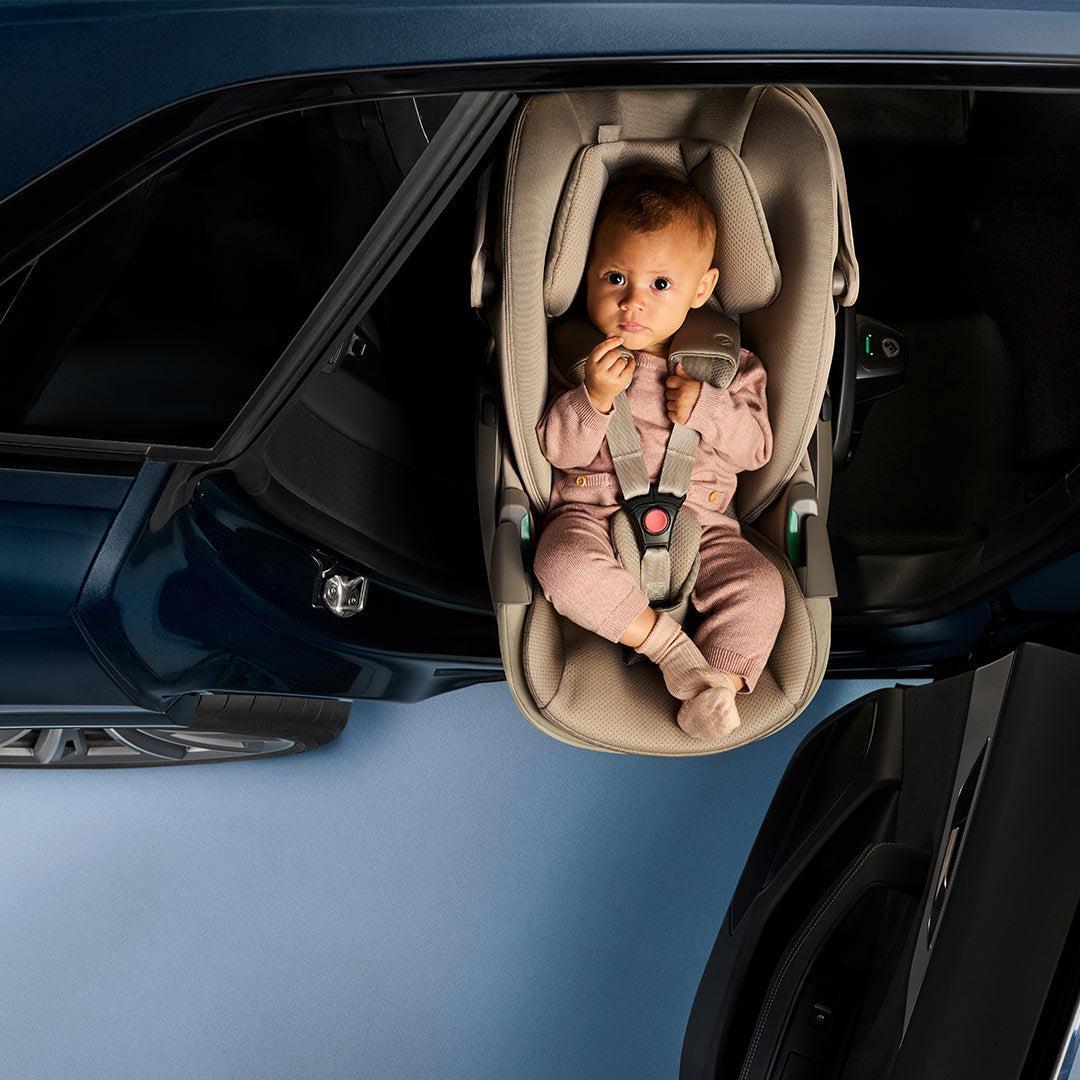
If you’re shopping for a newborn, your “best” i-Size choice is usually an infant carrier that clicks onto a compatible ISOFIX base. This is the easiest route to a consistently correct installation - especially when you’re tired, it’s raining, and you’re doing the nursery run for the third time in a day.
What makes one infant carrier better than another in 2026 isn’t just safety performance. Look closely at everyday comfort and usability: supportive newborn inserts that position the head and spine well, harness adjusters that don’t fight you, and a canopy that’s genuinely useful when you’re moving between the car and pram. The key trade-off is longevity. Infant carriers are brilliant but short-lived compared with a multi-stage seat.
You’re paying for portability and convenience, not years of use. What to prioritise: an easy, positive click onto the base; a good newborn fit; and compatibility with your pushchair if you want a travel system setup.
2) Around 3 months to 4 years: i-Size extended rear-facing or 360 spin seats (up to 105cm)
This is where most parents spend the most time researching - and where 2026 has given us more choice than ever. A 360 spin i-Size seat can be a game-changer for day-to-day ease.
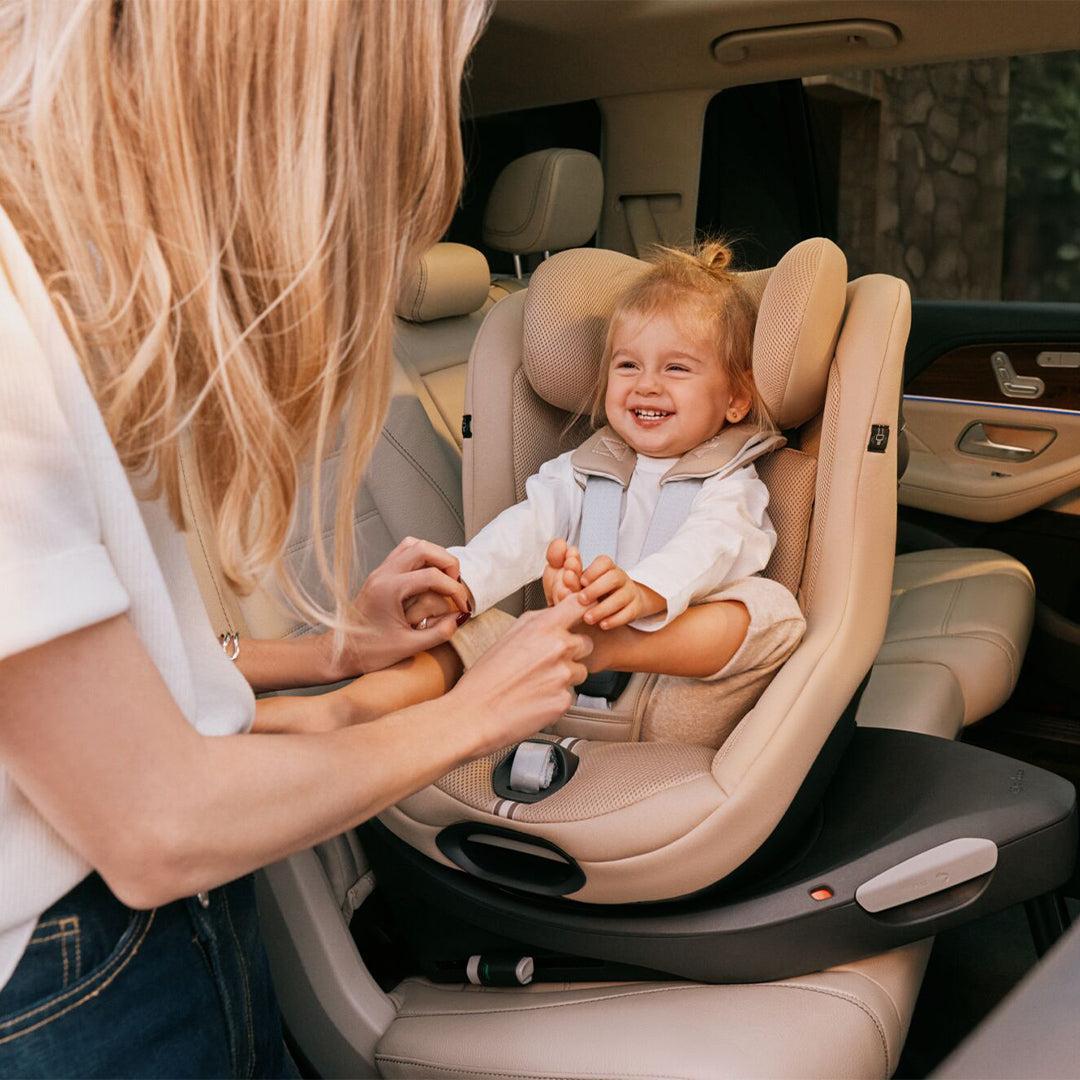
Rotating the seat towards the door makes harnessing quicker and kinder on your back, especially if you’ve had a c-section or you’re lifting a wriggly toddler in a tight parking space.
Many families find this is the “sweet spot” purchase: one seat that does the heavy lifting through nursery years. Extended rear-facing seats (sometimes without full rotation) are often chosen by parents who want to keep rear-facing for as long as possible within that 105cm bracket.
Rear-facing is widely considered the safest orientation for young children because it supports the head, neck, and spine better in a frontal impact. The trade-off is space and practicality. Some cars simply feel cramped with a larger rear-facing setup, and if you regularly carry taller front passengers, you’ll want to pay attention to how much legroom you’ll lose.
What to prioritise: an intuitive harness; enough recline for your child’s age; breathable fabrics if your car runs warm; and a fit that doesn’t force the front seat uncomfortably forward.
3) Around 4 to 12 years: i-Size high-back boosters (100-150cm)
Once your child is ready for a high-back booster, i-Size focuses on belt fit and side impact protection. The best boosters in 2026 feel “grown up” enough that children accept them, while keeping the seat belt positioned correctly across the shoulder and pelvis.
Parents often underestimate how long this stage lasts. Buying well here matters because you’ll use it daily for years, and comfort becomes part of safety - a child who slumps or wriggles out of position isn’t getting the protection they should. The main trade-off is that boosters are less about clever features and more about correct fit.
Some models suit slimmer children, others provide more width and shoulder room. If you do lots of motorway miles, look for supportive headrests and good side wings for nap-friendly travel.
What to prioritise: belt guides that keep the belt smooth and correctly aligned; a supportive headrest; and a shape that suits your car’s rear seats.
How to choose the best i-Size car seat 2026 for your family
Start with your car, not the product page
Even the most premium seat isn’t the best choice if it doesn’t install securely in your vehicle. Check whether you have ISOFIX points (most modern cars do, but not always in every seating position) and consider your back seat layout.
A middle seat hump, fixed headrests, or sharply contoured seats can all affect fit. If you regularly switch the seat between cars (grandparents, childminder, second car), prioritise a model that’s straightforward to install and not overly heavy.
Convenience isn’t a “nice to have” when you’re doing it weekly.
Be realistic about your daily routine
Do you do short, frequent trips with lots of in-and-out? A swivel seat can feel like an upgrade you’ll appreciate every day. Do you mostly do one longer journey with fewer transfers?
You might care more about deep recline, breathable materials, and stable head support for naps. Do you live in a flat and carry baby downstairs to the car? An infant carrier you can lift and click into a base may suit better than a fixed seat.
Decide what “best value” looks like to you
Parents often mean one of three things when they ask for the best i-Size car seat 2026. They might mean best-in-class safety and comfort, regardless of cost.
They might mean lowest cost per year of use, which points you towards longer-lasting seats (or carefully chosen stage seats that resell well). Or they might mean the least stressful day-to-day option.
That’s usually swivel plus ISOFIX, with fuss-free adjustment. There isn’t a wrong answer, but being clear avoids paying extra for features you won’t use.
Look for genuinely useful adjustability
In 2026, many seats offer one-hand headrest and harness height adjustments, multiple recline positions, and modular inserts. The best versions of these features make it easy to keep your child positioned correctly as they grow.
Be wary of “too many modes” if they’re fiddly. A seat that requires rethreading the harness or complex reconfiguration can lead to mistakes or simply not being adjusted when it should.
Factor in sustainability in a practical way
For many UK parents, sustainability is part of the decision, but car seats are a safety product with real constraints.
You can still make values-led choices: select a seat built to last through siblings, choose brands with replaceable parts or washable covers, and consider pre-loved for non-safety-critical accessories while buying the car seat new if you’re unsure of its history.
Also think about longevity as an environmental choice. Buying the right seat for your stage and using it for its full lifespan is often more impactful than chasing constant upgrades.
2026 trends worth knowing (without getting distracted)
The biggest shift isn’t a radical new regulation - it’s how brands are refining the experience. Expect more premium fabrics designed for comfort across seasons, with better airflow and easier care.
You’ll also see improved newborn fit engineering: inserts that support without forcing an awkward posture, and harness systems that tighten smoothly. Swivel seats continue to dominate the “one seat does most of it” conversation, but compact designs are getting more attention too, especially for smaller UK cars.
And finally, clarity is improving. More brands now label by height range in a way that’s easier to understand at a glance - which helps when you’re shopping quickly between feeds.
A simple way to narrow your shortlist
If your baby isn’t born yet and you’re building a travel system, start with an i-Size infant carrier plus base, then plan your next seat at around 12-15 months. If you’ve already got an infant carrier and you’re moving up, decide whether swivel is the feature you’ll value most.
For many families, a 360 i-Size seat up to 105cm is the most “felt” upgrade in daily life. If you’re shopping for an older child, focus less on features and more on belt fit and comfort - the best high-back booster is often the one your child sits properly in, without complaint.
If you’d like curated options across each stage, Natural Baby Shower brings together premium i-Size seats from trusted brands in a way that makes comparing by age, height, and lifestyle feel far less overwhelming.
A final thought to leave you confident
The best i-Size car seat isn’t the one with the longest spec sheet. It’s the one that fits your car, fits your child, and fits your real life so well that you use it correctly every single time - even on the rushed, rainy, running-late mornings.


