


Prepare Hospital Bag Essentials Without Overpacking

The last few weeks of pregnancy can make even a well-organised home feel like a work in progress. Preparing hospital bag essentials is one practical way to create a little breathing room before labour begins - not because you can predict every detail, but because the things you may need are ready when your attention is elsewhere.
There is no single perfect hospital bag. A planned induction, a straightforward vaginal birth, a caesarean birth and a longer stay all call for slightly different things. Your maternity unit’s guidance should always lead the way, but a thoughtfully packed bag can cover the common comforts, practicalities and newborn basics without turning into a suitcase full of unopened products.
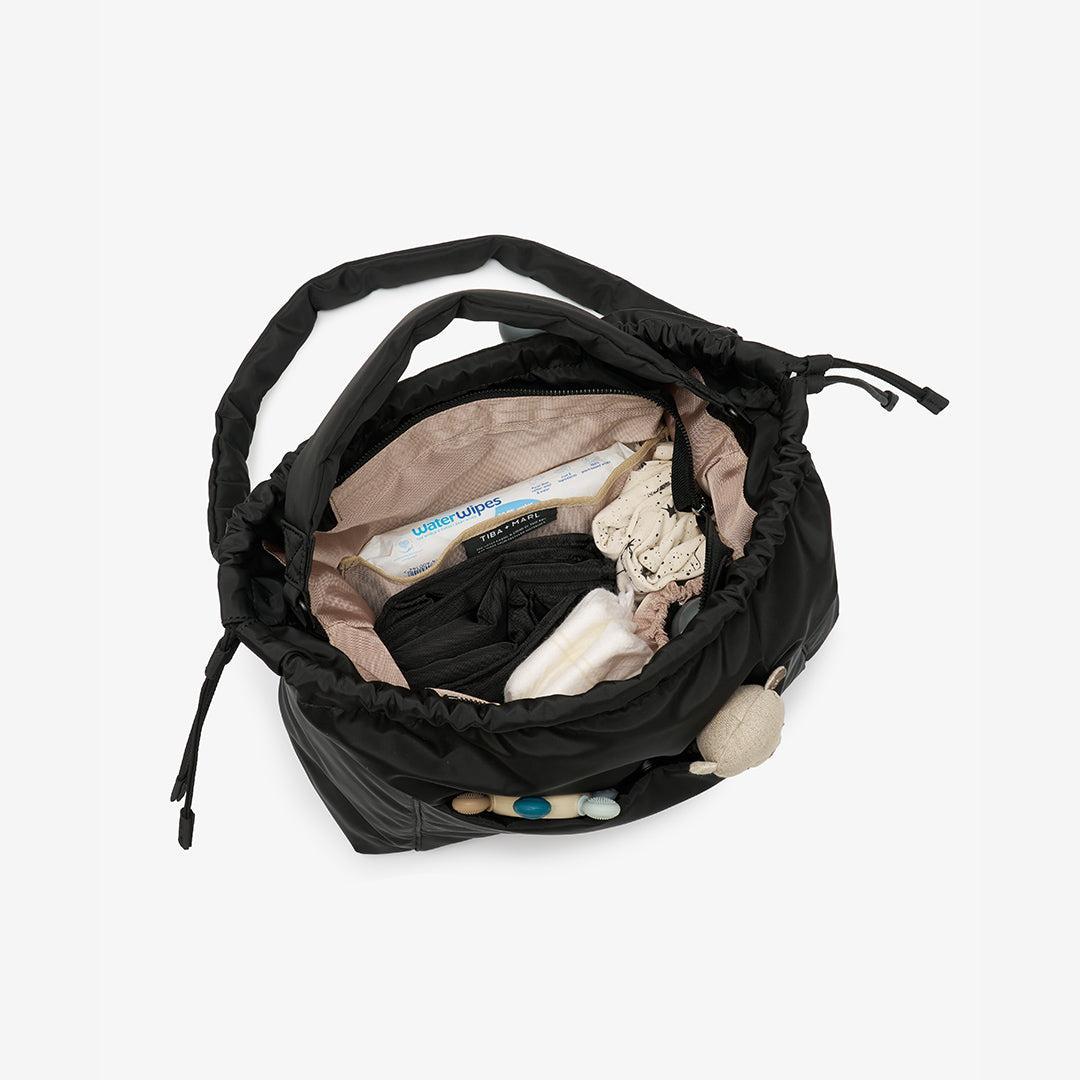
When to prepare hospital bag essentials
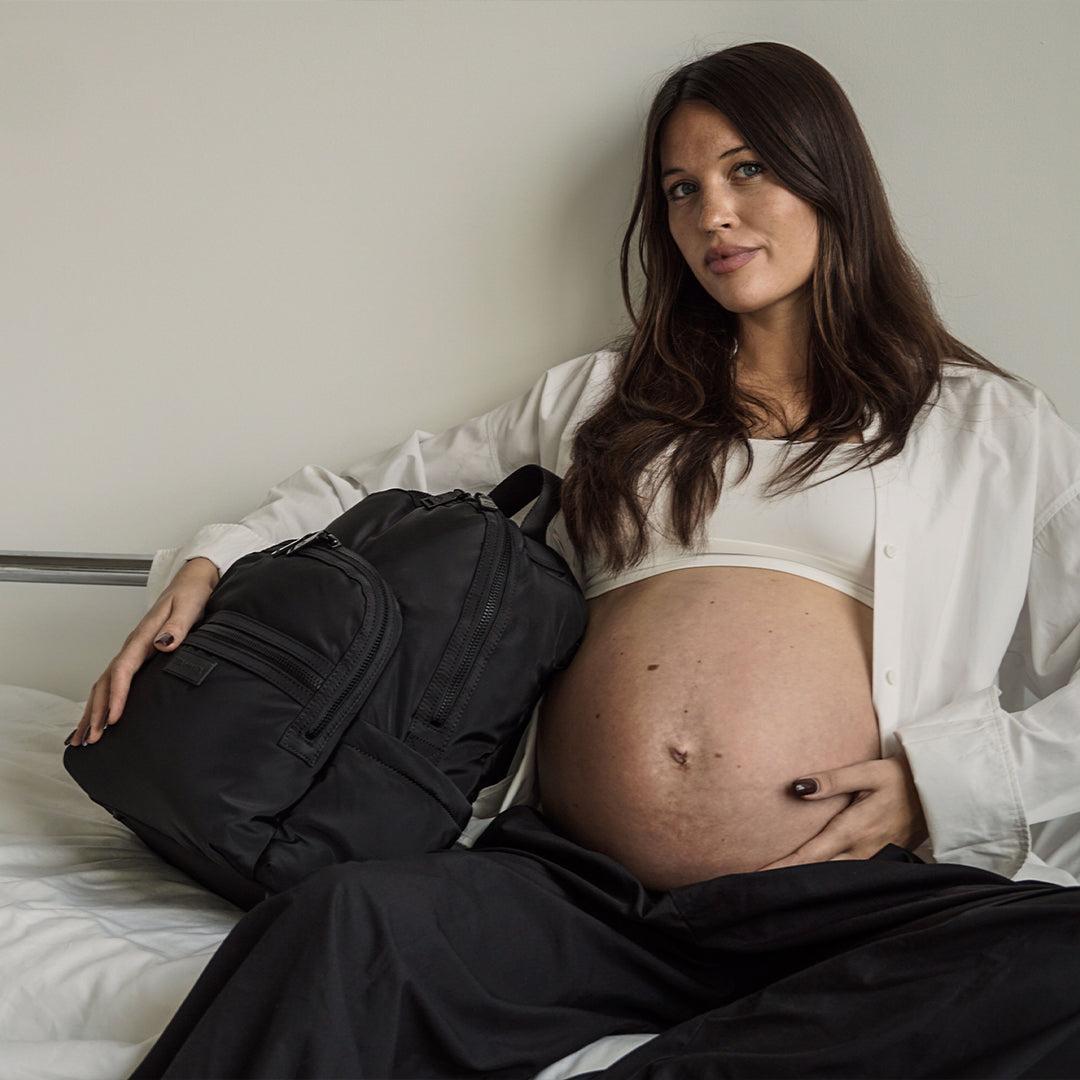
Aim to have your bag ready by around 36 weeks, or earlier if your midwife has advised it. This gives you time to add last-minute items, wash baby clothes and check your hospital’s individual recommendations. Some units have limited storage, so one medium holdall or cabin-sized case, plus a small separate bag for birth partner essentials, is often easier to manage than several bags.
Think in three moments: labour, the first hours after birth and the journey home. Packing for those stages helps prevent the classic problem of having six adorable newborn outfits but no charger, water bottle or comfortable underwear.
A useful approach is to keep key items near the top of the bag or in small labelled pouches. One for labour, one for postnatal recovery and one for baby means that you or your birth partner can find what is needed quickly. It is a small detail that can make a busy hospital room feel more settled.
Your labour bag: comfort meets practical planning
Labour can be short or long, warm or surprisingly chilly. Choose familiar, useful items rather than trying to recreate every comfort of home. A loose nightdress or oversized shirt that opens at the front can make skin-to-skin contact and feeding easier afterwards. Add a lightweight dressing gown, warm socks and sliders or slippers with a secure sole for walking around the ward.
Keep your phone, charging cable and a long lead together. Hospital plug sockets are not always positioned conveniently beside the bed. A refillable water bottle with a straw is another small but excellent addition, particularly if you are lying down or concentrating through contractions.
Pack easy snacks for you and your birth partner, while checking the unit’s policy and any dietary requirements. Cereal bars, dried fruit, crackers and sweets are simple choices. If you think you may want music, a fan, massage oil or a heat pack, bring them only if they genuinely appeal to you. They are optional comfort items, not a measure of how well you are labouring.
Consider including:
- Your maternity notes, birth preferences and any relevant medical information
- Phone, charger, water bottle and snacks
- Front-opening nightwear, dressing gown, socks and comfortable footwear
- Hair ties, lip balm, toothbrush, toothpaste and a flannel
- Any regular medication, clearly labelled, plus glasses or contact lens supplies
If you wear a TENS machine during labour, check whether your maternity unit provides one or whether you need to arrange your own. Likewise, speak to your midwife about anything specific to your birth plan, such as hypnobirthing prompts or equipment for a planned water birth.
The items many parents use most
Toiletries tend to matter more than elaborate labour aids. A travel-sized wash bag with deodorant, a gentle cleanser, toothbrush and toothpaste, shampoo, a hairbrush and moisturiser can make a surprising difference after birth. Choose fragrance-free products if scents make you feel nauseous or if your skin has become more sensitive during pregnancy.
A soft eye mask and earplugs may also be welcome on a busy postnatal ward, although they are not essential. Pack them as a quiet contingency rather than expecting a peaceful night’s sleep.
Postnatal essentials for your recovery
Your body needs softness, support and straightforward care after birth. Bring a few pairs of high-waisted, comfortable pants that will not sit against a caesarean scar if you have one. Disposable or washable maternity pants are both sensible options. Washable choices can feel softer and create less waste, while disposable pants may be more convenient during an unexpected longer stay. The right option depends on what feels manageable for you.
Maternity pads are designed for heavier post-birth bleeding, so pack more than you think you will use. Avoid tampons after birth. A peri bottle can also be very soothing, especially if you have stitches, though it is a personal preference rather than a necessity.
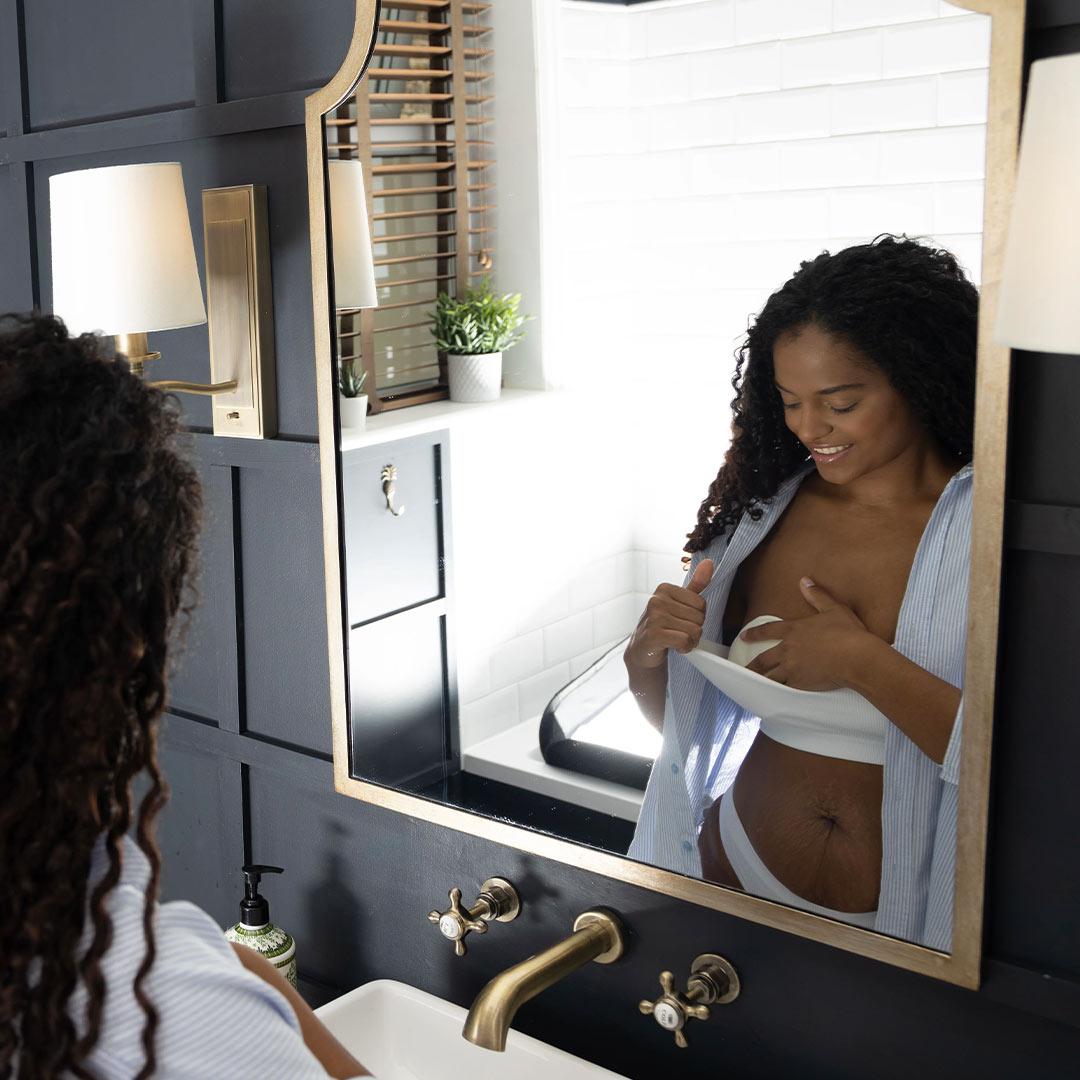
If you plan to breastfeed, take two or three nursing bras or soft crop tops, breast pads and nipple balm if you would like it. You do not need to pack bottles or formula unless your midwife has advised otherwise or you have a specific feeding plan. Hospitals can guide you through early feeding, and plans can change, so keeping your bag flexible is kinder than trying to prepare for every possibility.
A roomy outfit for going home is worth setting aside now. Your body may still look and feel pregnant, so choose the same kind of soft, non-restrictive clothing that felt comfortable in late pregnancy. A loose dress, leggings with a relaxed waistband or comfortable trousers paired with a nursing-friendly top all work well.
What to pack for your new baby
Newborn packing is about layers, softness and enough spare clothes for unexpected leaks. For a typical short stay, pack a small number of outfits in newborn and 0-3 months sizes. Some babies fit newborn clothing for weeks; others are more comfortable in the next size up immediately. Having both avoids a last-minute scramble.
Choose breathable cotton layers that are easy to put on. Sleepsuits with poppers or zips, short-sleeved bodysuits, a cardigan, socks and a soft hat for the journey home cover most needs. Hospital wards are usually warm, so avoid overdressing baby indoors. The general aim is often one more light layer than you are wearing, adjusted for the temperature and your baby’s cues.
Bring nappies, fragrance-free wipes or cotton wool and water, plus a changing mat if your hospital does not provide one. A few muslins are particularly versatile for feeding, burping and small spills. Many parents also appreciate a nappy cream, though it is not always needed in the first day or two.
Your baby’s first outfit may be photographed and treasured, but practicality still wins. Save complicated fastenings, stiff fabrics and special occasion layers for another day. The soft neutral pieces you reach for repeatedly at home are usually the best hospital choices too.
Safe travel home starts before labour
If travelling home by car, your infant car seat needs to be fitted and ready before baby arrives. Practise adjusting the harness and carrying the seat, and make sure you understand how it fits in your own vehicle. A newborn must travel rear-facing in an appropriate car seat - never in your arms or while wearing a sling.
Avoid bulky snowsuits or padded coats underneath the harness, as they can affect the fit. Instead, dress baby in thin layers and place a blanket over the secured harness if it is cold. This is one part of your preparation where a little practice brings real reassurance.
Pack less, then add the things that are uniquely yours
It is easy to overpack in response to uncertainty. Start with the basics, then add a few items that make you feel grounded: a favourite oversized shirt, a familiar hand cream, a playlist, a photo, or snacks you know you will eat.
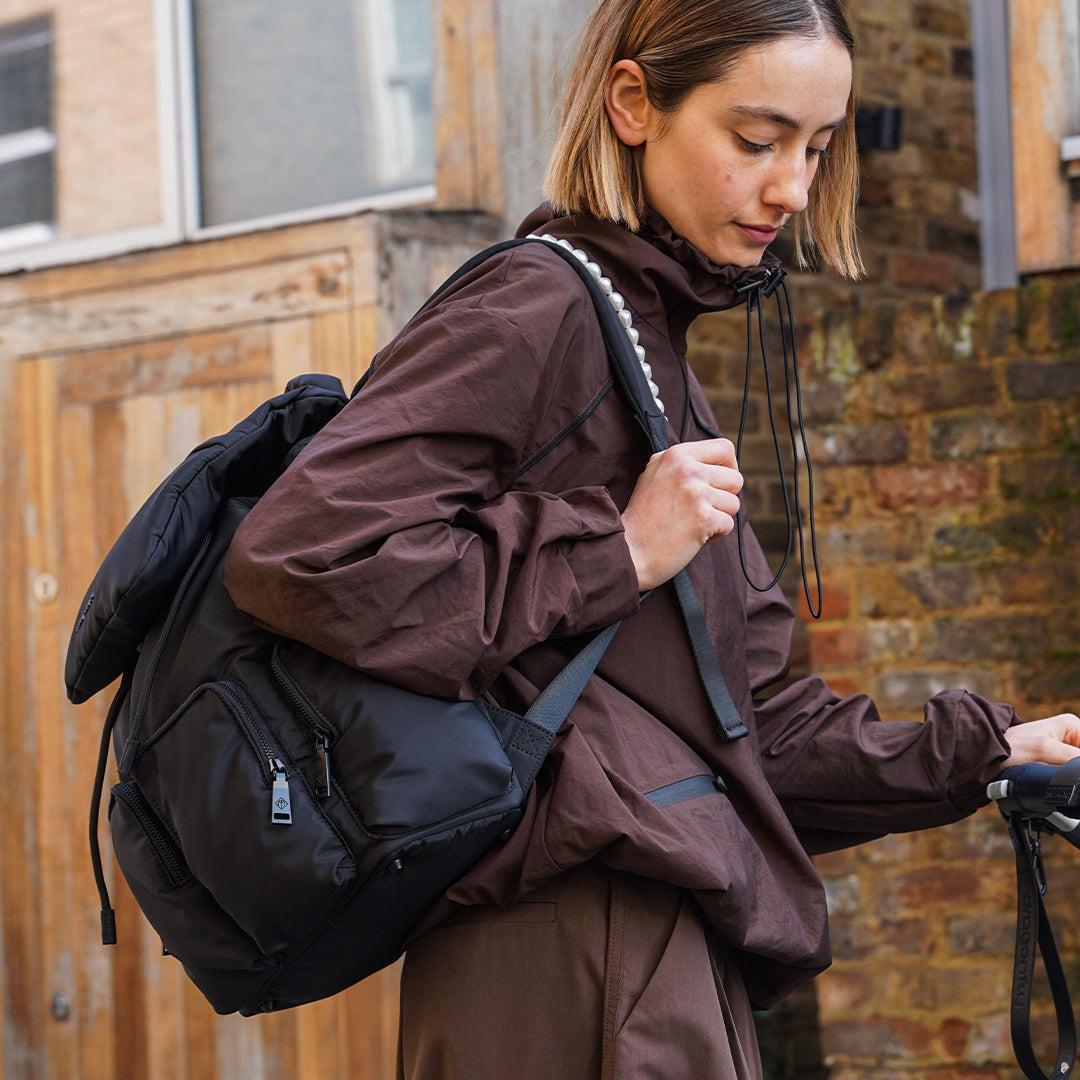
Before you zip the bag, ask your birth partner or support person where everything is. Leave your car keys, notes and bag in one obvious place. Then let the bag be finished. You have prepared for the likely moments, and the rest can be met one step at a time.


