




How to Dress Baby for a Pram in Any Weather

A bright morning can turn breezy before you reach the café, while a seemingly chilly day may feel surprisingly warm once the pram is moving. Knowing how to dress baby for pram outings is less about following one fixed rule and more about building layers that can be adjusted quickly. Your baby is protected from the elements, but they cannot easily tell you when they are too warm or cold - so a little preparation goes a long way.
For UK parents, the most useful approach is to dress for the temperature, the wind and rain, how long you will be outside, and whether your baby will be awake or likely to nap. A newborn on a slow stroll needs more warmth than an older baby who is sitting up, looking around and wriggling enthusiastically.
Start with breathable, adjustable layers
The simplest guideline is usually one light layer more than you are wearing yourself, then adjust according to your baby and the conditions. It is a starting point, not a strict formula. A baby tucked into a sheltered carrycot on a frosty morning may need more protection, while a warm, sunny afternoon calls for less.
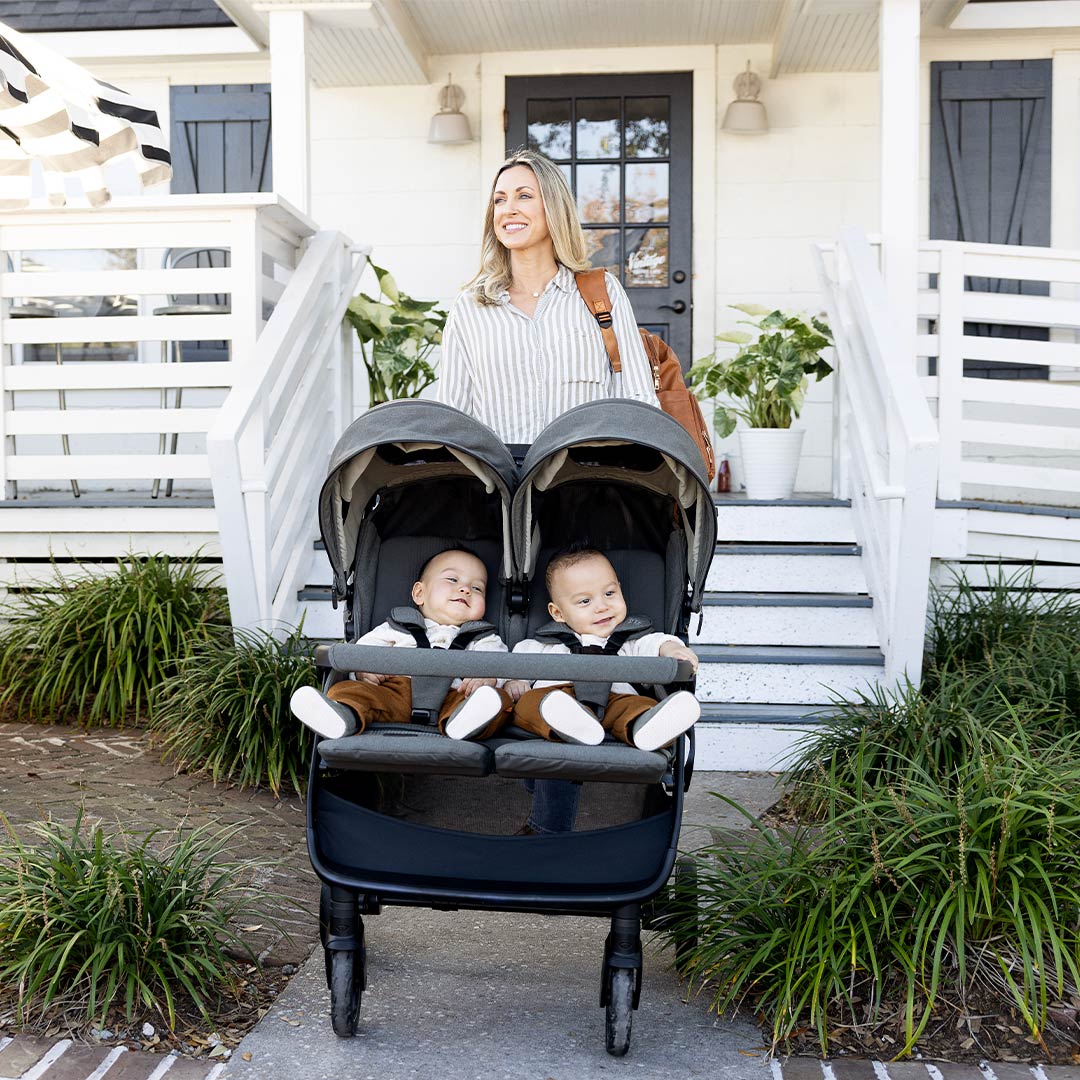
Choose soft, breathable fabrics closest to the skin. A cotton or merino bodysuit and sleepsuit make a comfortable base for younger babies, while an older baby might wear a bodysuit, trousers and a long-sleeved top. Natural fibres can be particularly helpful for changeable weather because they feel comfortable across a range of temperatures.
The outer layers are where flexibility matters. Think cardigan, lightweight knit, jacket, footmuff or blanket, depending on the season. It is much easier to remove one layer when you step into a warm shop than to manage an overdressed baby in a thick, all-in-one outfit.
Check their chest or back, not their hands
Little hands and feet often feel cool, particularly when they are still developing circulation. They are not the most reliable guide to your baby’s overall temperature. Instead, gently feel the back of their neck, chest or upper back.
If their skin feels pleasantly warm and dry, they are likely comfortable. Sweaty hair, flushed cheeks, clammy skin or rapid breathing can suggest they are too warm, while a cool chest or back may mean they need another layer. Make checks part of the routine when you stop for a feed, change or coffee.
How to dress baby for pram walks by season
The British forecast is rarely as tidy as the seasons suggest, but these outfit ideas provide a practical base for planning your pram walk.
Mild spring and autumn days
Start with a long-sleeved bodysuit and sleepsuit for a newborn, or a top and trousers for an older baby. Add a cardigan or light jacket, plus socks or booties if their feet are exposed. Keep a cellular blanket within easy reach for a sudden breeze, but remove it if the day warms up.
A lightweight footmuff can be a useful choice during cooler spells, especially for babies who kick off blankets. Look for one that fits your pram properly and allows you to use the harness correctly. If the sun comes out, unzip or remove it rather than leaving your baby to get too warm inside.
Warm summer weather
On hot days, less is more. A short-sleeved bodysuit or a lightweight cotton outfit may be enough, with a sun hat that shades the face and neck when you are outdoors. A thin muslin can be useful for brief shade or a light breeze, but it should not be draped over the pram to block the sun.
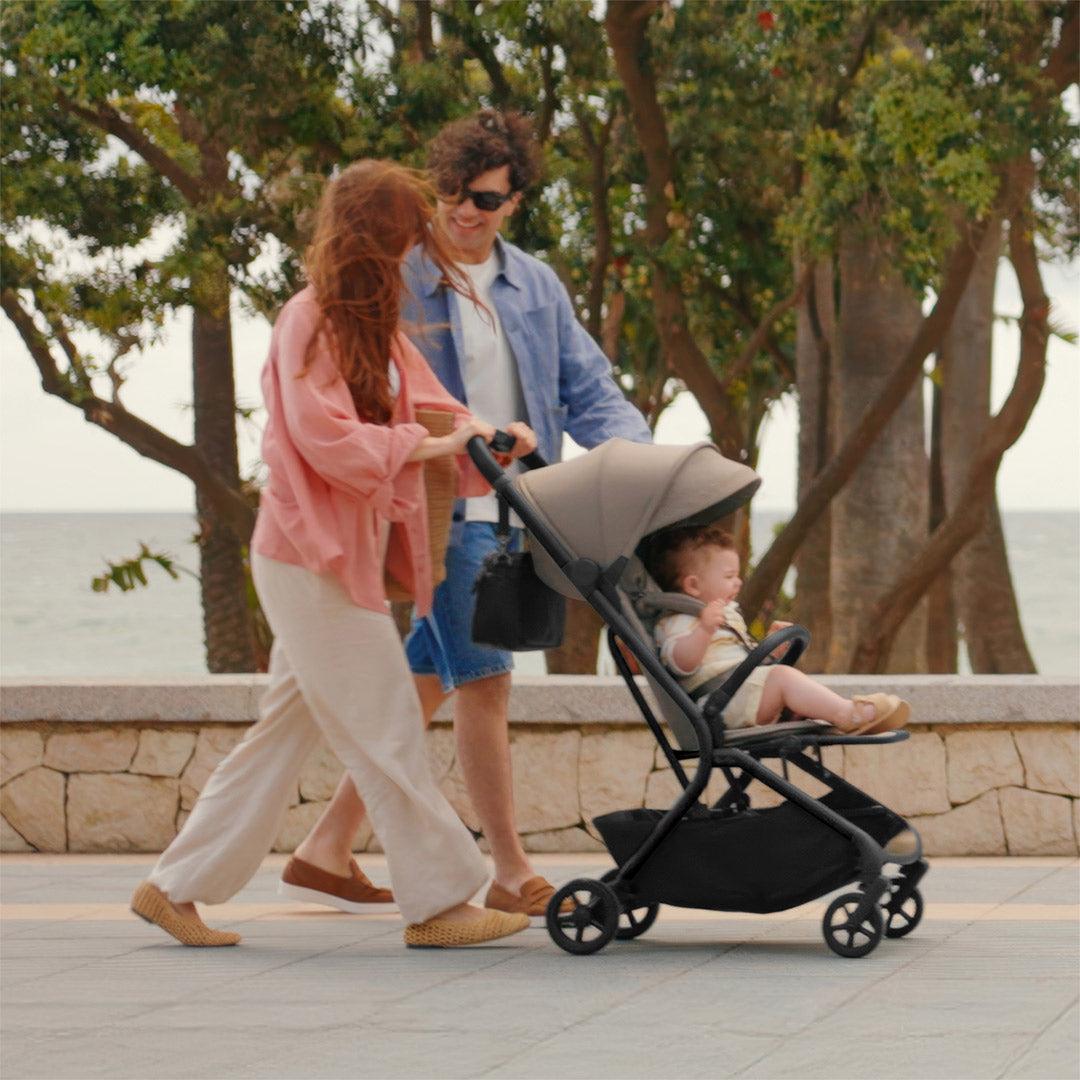
Covering a pram with a blanket or muslin can restrict airflow and make the space inside much hotter. Use the pram’s canopy as designed, seek shade where possible and keep the airflow clear. Plan shorter outings around the coolest parts of the day when temperatures climb.
Sun cream is generally used for babies over six months, but shade and suitable clothing remain the first line of defence at every age. Long, loose, lightweight layers can be preferable to bare skin in strong sunshine, provided your baby does not become overheated.
Cold winter walks
For crisp days, begin with a bodysuit and sleepsuit or a top and leggings, then add a warm knit layer. A pramsuit may suit a baby in a carrycot for short outdoor trips, while a well-fitted footmuff often offers more practical warmth for regular walks because it can be opened as soon as you go indoors.
A warm hat is sensible outside, particularly for young babies, along with mittens and cosy socks or booties. Take the hat off once you enter a heated shop, café or home. Babies lose heat through their heads in the cold, but they can overheat quickly indoors if winter accessories stay on.
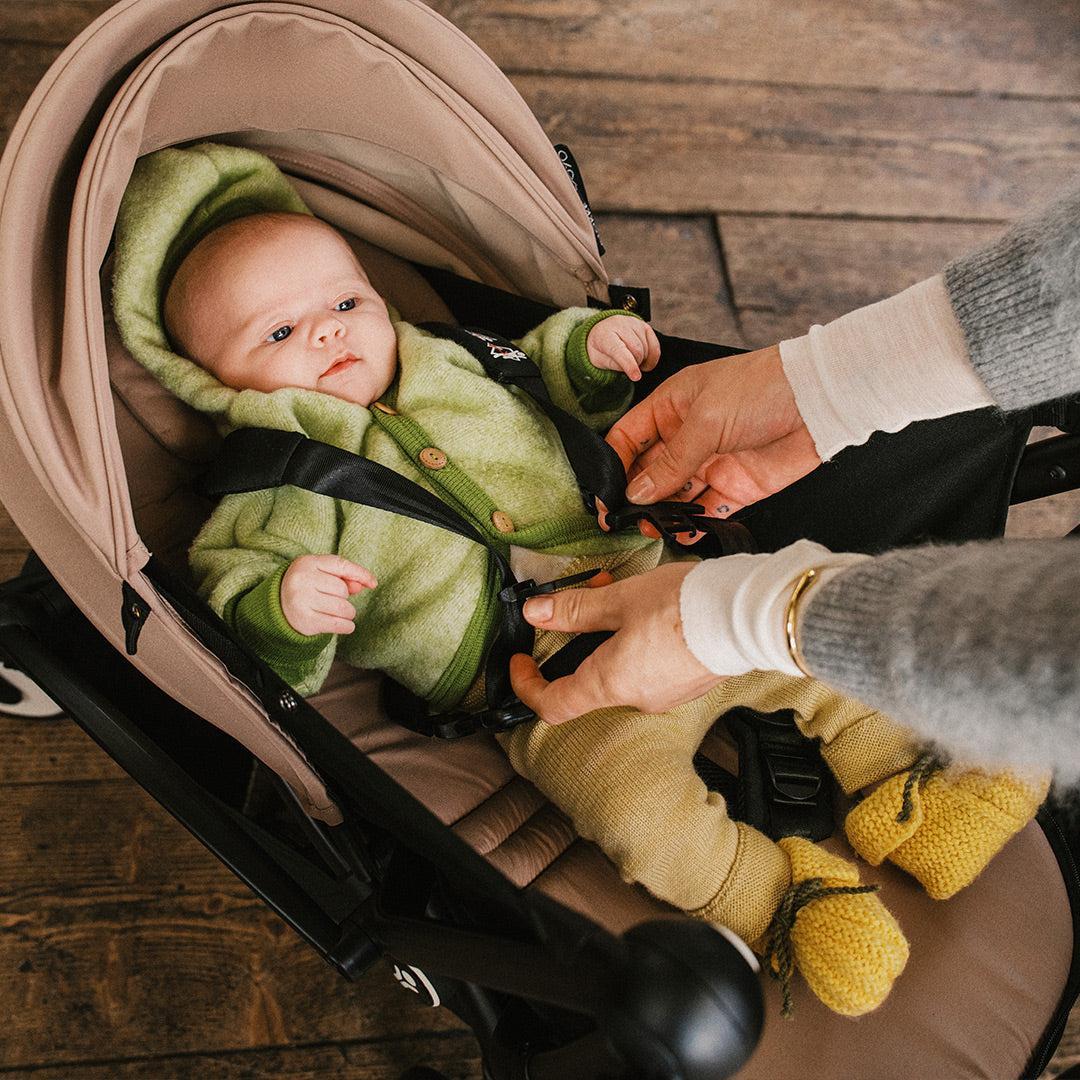
Avoid relying on a heavy pile of loose blankets. One securely tucked, breathable layer may be useful when you are directly supervising your baby, but bulky bedding can move around and make it harder to see how warm they are. A pram-specific footmuff or liner can create a neater, more manageable setup when used according to its instructions.
Wet and windy weather
Raincovers are invaluable for keeping a pram dry, but they are not an extra layer of clothing. They can reduce airflow and retain warmth, so check your baby regularly and remove the cover as soon as the rain stops. Use a raincover made for your pram model where possible, ensuring its ventilation is open and unobstructed.
Wind can make a mild temperature feel far colder. A windproof outer layer, cosy footmuff and hat may be more useful than simply adding several thick jumpers. If the weather is particularly wild, a shorter stroll close to home can be the kinder option for both of you.
Carrycot, seat unit and car seat: the setup changes things
Where your baby sits makes a real difference. A newborn lying still in a carrycot has little opportunity to generate warmth, and the open top can catch a breeze. They may need an extra layer or a carefully fitted cover compared with a mobile toddler in a seat unit.
Once your baby is in the pram seat, always use the harness as intended. Avoid bulky coats or padded layers beneath the straps if they stop the harness sitting close to the body. Adjust the footmuff, liner or removable top layer instead, so comfort does not compromise fit.
A car seat is different again. Do not place your baby in a thick coat or snowsuit under the car seat harness, as the padding can compress in a collision and leave the straps too loose. Dress them in thinner layers, secure the harness, then place a blanket over the harness for warmth if needed. Remove that top layer when you move into a warm car, and do not use a pram footmuff in a car seat unless it is specifically designed and approved for that purpose.
Pack a small pram-weather kit
The best pram outfits are only as practical as they are adaptable. A compact changing bag can hold the pieces that solve most weather surprises without becoming another bulky load to carry.
Keep a spare bodysuit or top for dribbles and spills, an extra pair of socks, a light cardigan, a breathable blanket, sun hat, warm hat and the appropriate raincover. In warmer months, a spare muslin and water for the adults are also worthwhile. In colder weather, a dry pair of mittens can rescue a walk after an enthusiastic encounter with a puddle.
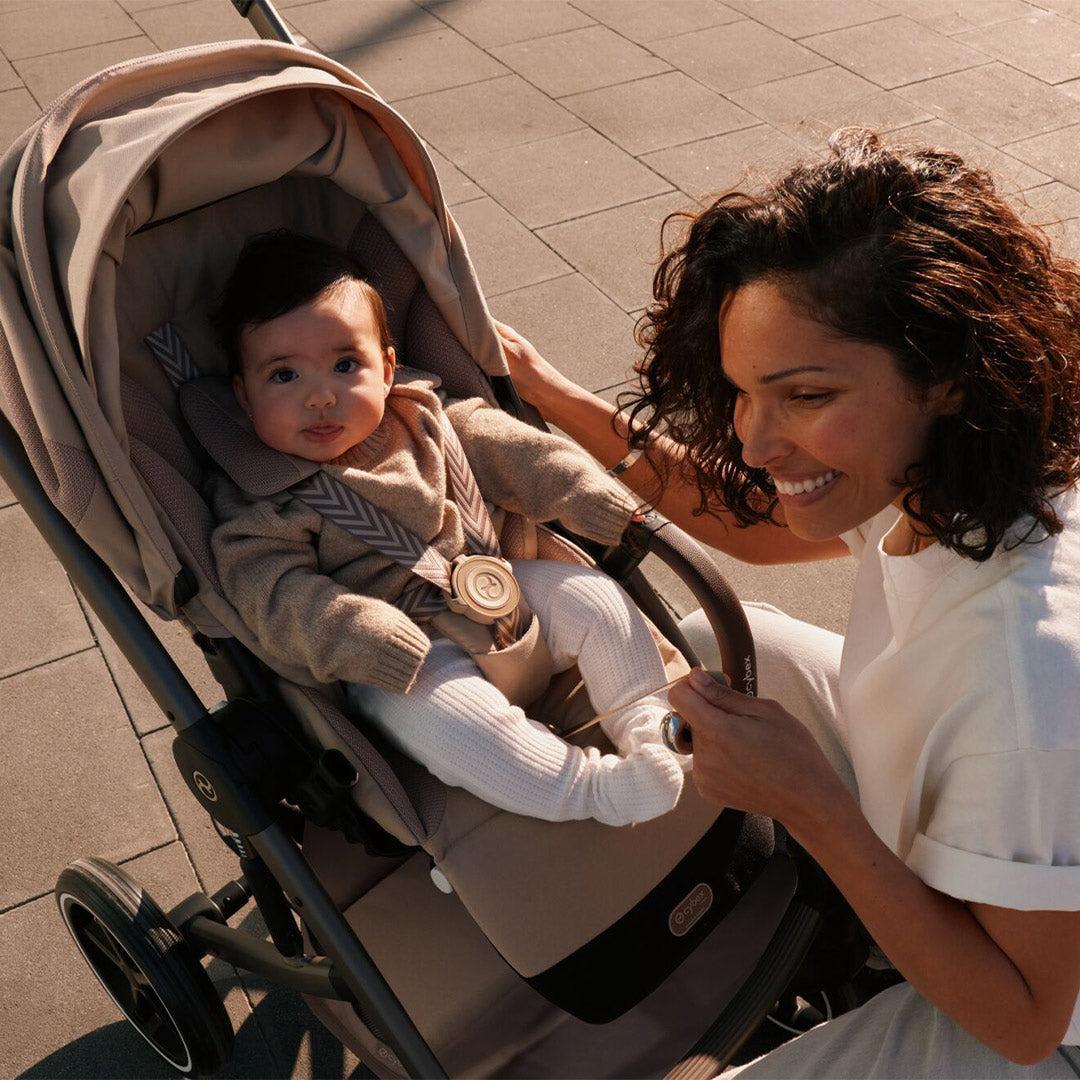
It is tempting to buy for every forecast, but a considered selection of quality layers will work harder across the year. A breathable footmuff, versatile knitwear and weather-ready pram accessories can move with your family from newborn walks to toddler outings, reducing the need for single-season extras.
Pram naps need an extra check
Babies can fall asleep quickly to the movement of a pram, and a sleeping baby is less likely to show obvious signs of discomfort. Before setting off, make sure their face is clear, their harness is correctly used when they are in a seat unit, and there are no loose items around their head.
If your baby falls asleep beneath a raincover or in a footmuff, check them more often than you might on an open-air stroll. Keep the pram well ventilated and avoid leaving it in direct sun. A pram nap can be wonderfully restorative, but it is still a supervised sleep.
The goal is not to create a perfect outfit for every degree on the thermometer. Dress your baby in comfortable layers, keep one easy adjustment close by, and let their chest or back - rather than the forecast alone - guide your next move. That confidence makes even a changeable British walk feel a little more enjoyable.


