


Cot Bed Mattress for Better Sleep

A cot bed mattress is one of those nursery purchases that can look straightforward until you start comparing fillings, depths, covers and safety claims.
This cot bed mattress review focuses on what genuinely changes day-to-day sleep: a firm, accurate fit, a breathable and practical design, and materials that suit both your baby and your family’s priorities.
Unlike a decorative nursery item, a mattress needs to work quietly every night through newborn feeds, nappy leaks, teething dribbles and the transition into toddlerhood. The best choice is rarely the one with the longest feature list. It is the one that fits your cot bed precisely, remains supportive over time and feels manageable to keep clean.
What a good cot bed mattress should do
For babies, the foundation is simple: the sleep surface should be firm, flat and level. A mattress that feels plush to an adult is not automatically a better option for an infant.
Young babies need stable support, without sagging or deep cushioning, so always follow safe sleep guidance and use the mattress as intended by the cot bed manufacturer. Fit is equally important. A cot bed mattress should sit snugly inside the frame, with no significant gaps around the edge where a baby could become trapped.
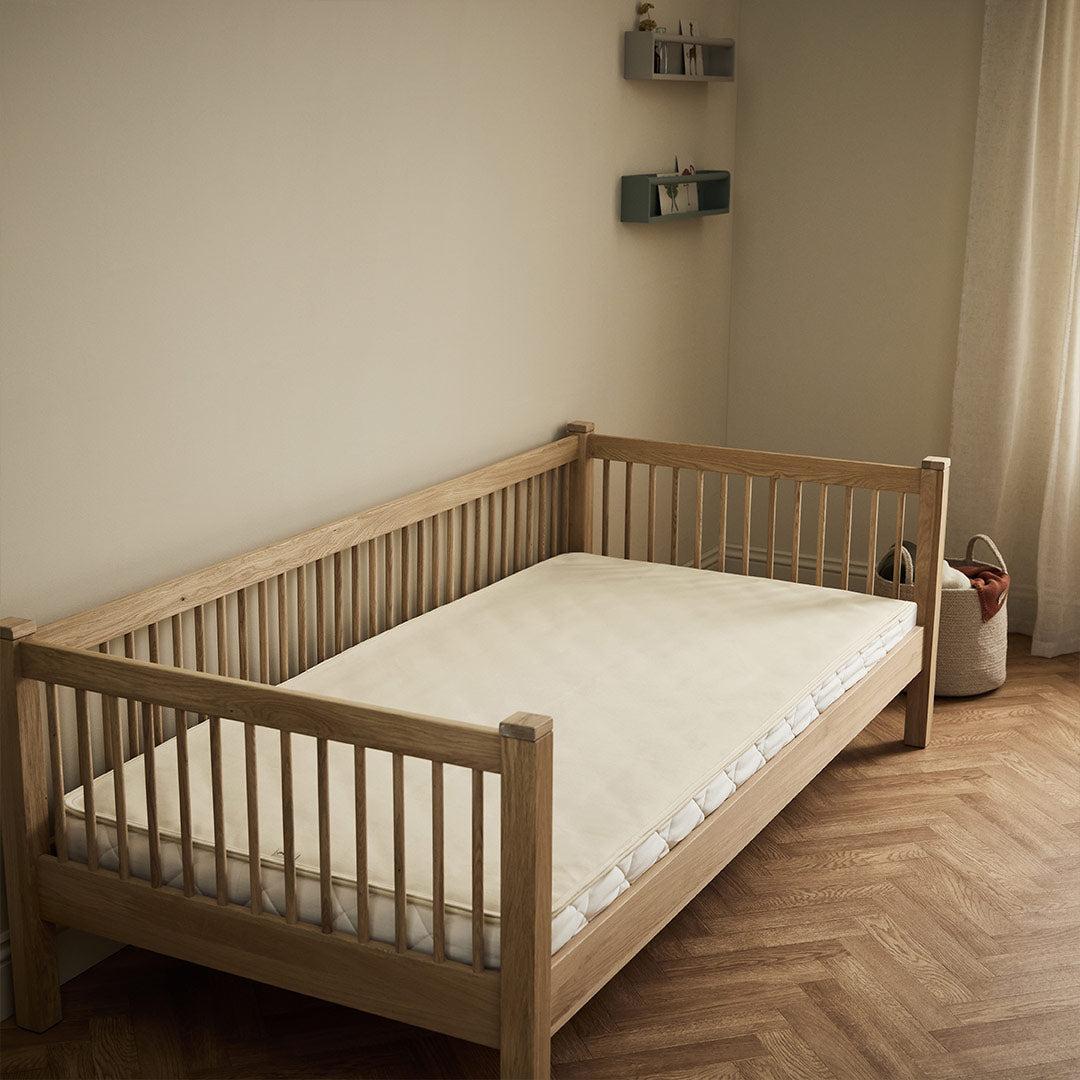
Cot beds are often designed around a 70 x 140cm mattress, but this is not universal. Measure the internal base of your cot bed and check the manufacturer’s stated mattress size before ordering. Never assume a standard size will fit simply because the product is labelled a cot bed mattress.
The final consideration is longevity.
A cot bed can be used from birth until around three or four years old, depending on your child and the bed’s design. A well-made mattress should retain its shape and firmness through those changing stages, rather than developing dips in the areas where your little one sleeps most often.
Cot bed mattress review: the features worth comparing
When reviewing cot bed mattresses, we look beyond whether a product is described as comfortable. Comfort is subjective, while construction, hygiene and fit are details you can assess before buying.
Core support and firmness
Foam mattresses are often lightweight, easy to lift when changing sheets and a popular choice for everyday use. Look for high-quality, resilient foam that springs back after pressure and does not feel soft or uneven. The density and build quality matter more than an impressive-sounding label. Pocket sprung mattresses contain individual springs, usually layered with foam, fibres or other comfort materials.
They can offer responsive, even support and may appeal to parents shopping for a mattress to last the full cot bed stage. They are often heavier than foam, however, which is worth considering if you expect to remove the mattress frequently for cleaning or use a fitted sheet with a particularly snug elastic edge.
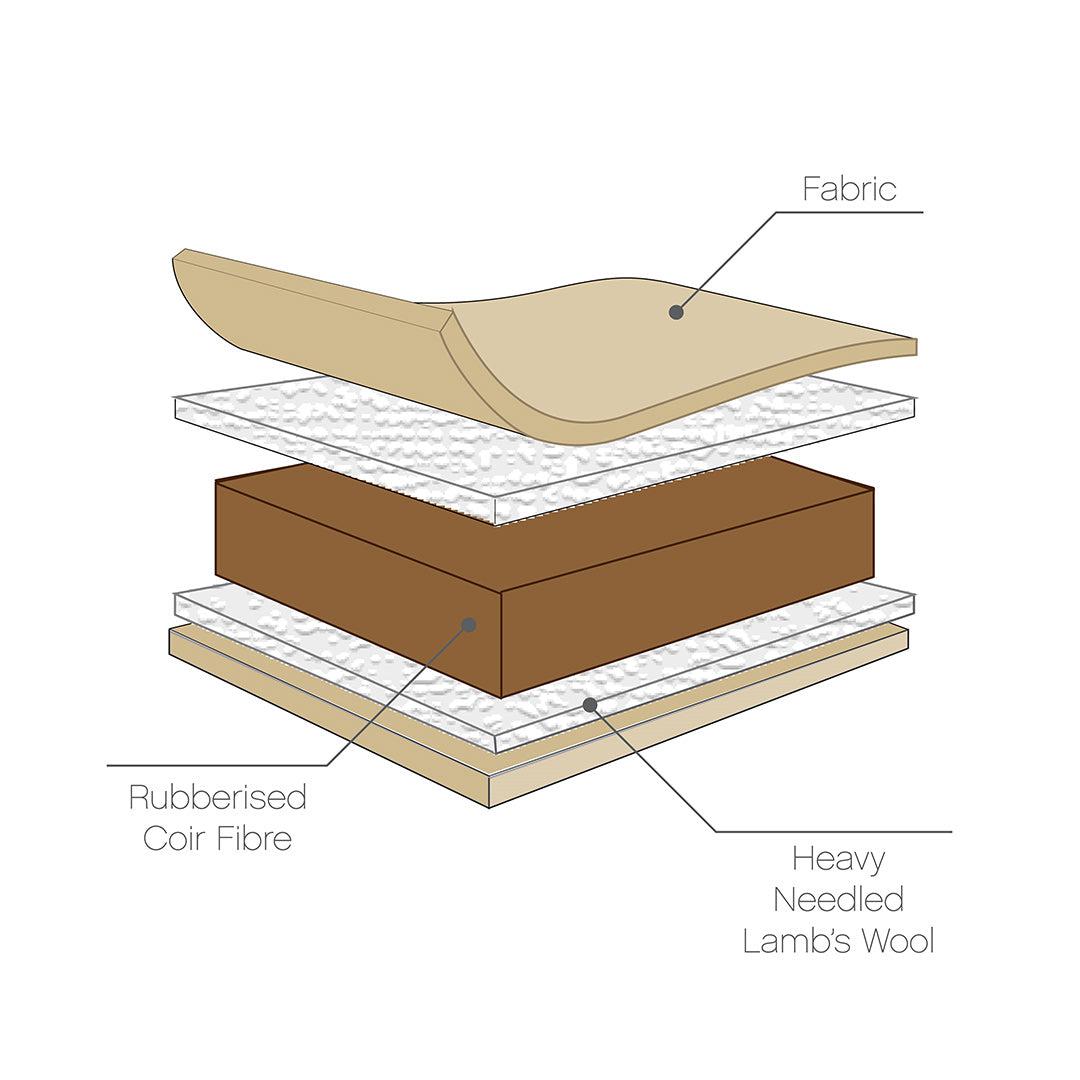
Natural-fibre and organic options may use materials such as coir, wool, cotton or latex alongside supportive cores. These can be a thoughtful choice for families looking to reduce reliance on synthetic materials, provided the mattress still meets the same practical essentials: a firm, flat sleeping surface and a precise fit.
Natural fillings can also affect weight, feel and price, so they are not automatically the right answer for every nursery.
Waterproofing without the crinkle
A waterproof layer can make a substantial difference during the early years. It protects the mattress core from spills and accidents, helping preserve hygiene and extend the mattress’s usable life. The trade-off is that some waterproof surfaces can feel less breathable or make a slight rustling sound beneath a sheet.
A useful middle ground is a mattress with a wipe-clean, waterproof side and a more breathable fabric side, where appropriate for your child’s stage and the manufacturer’s instructions.
A separate waterproof mattress protector is another option. It adds a washable layer but may slightly change the feel of the surface, so choose one that fits tightly and remains smooth beneath the sheet.
Removable and washable covers
A removable cover is particularly valuable, but check the care label rather than assuming it can go in a hot wash.
Some covers are machine washable at 40°C, while others need a gentler cycle. A zip-around design is usually easier to remove and refit than a partial cover, especially when you are handling it after an overnight leak.
It is also helpful to know whether the cover can be tumble dried. Air drying is often kinder to waterproof-backed fabrics, yet a spare cover or protector can be a practical investment if you do not want to wait for laundry to dry before bedtime.
Breathability and temperature
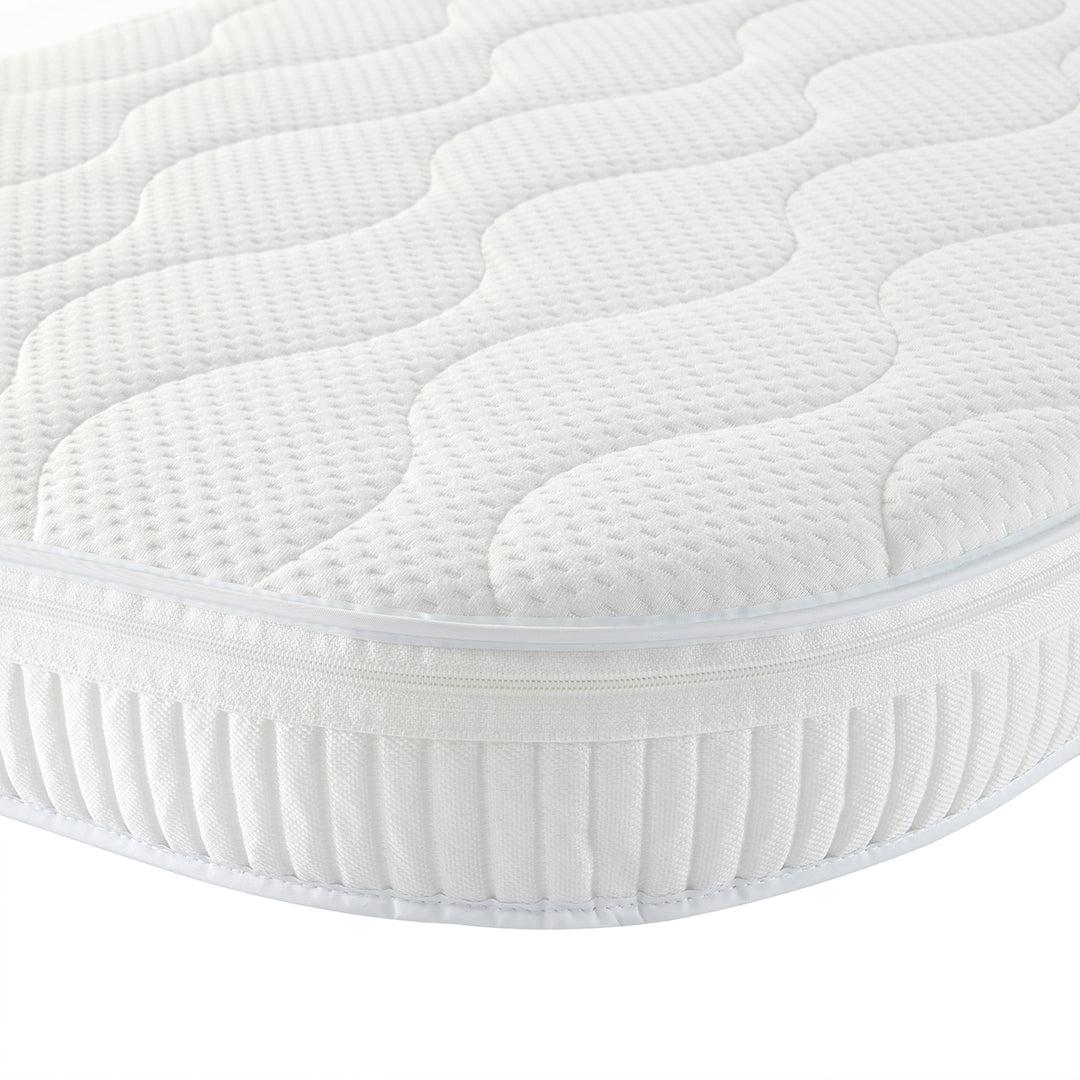
Breathable mesh borders, air channels and ventilated cores are common features in premium cot bed mattresses. They can support airflow through the mattress and help manage moisture, which is useful in a warm nursery or for babies who tend to sleep hot.
These features should complement, not replace, sensible room temperature management and appropriate bedding. Keep the sleep set-up simple. A fitted sheet designed for the mattress size is all that is generally needed on the surface, alongside bedding chosen for your baby’s age and the conditions of the room.
Thick toppers, loose layers and adult-style duvets are not suitable additions to an infant mattress.
Is a dual-sided mattress worth it?
Dual-sided cot bed mattresses are designed with one firmer side for babies and another side intended for older toddlers. For many families, this is a useful feature because it recognises that sleep needs change as your child grows. It can also make the product feel like a more considered long-term purchase.
That said, the label can be confusing. The baby side must still be firm and flat, and the toddler side should not become overly soft. Follow the maker’s age and weight guidance before turning the mattress, and make a note of which side is in use. If your child is still very young, do not switch early simply because the toddler side sounds more comfortable.
A single-sided mattress can be an excellent choice too, especially if it is durable, supportive and easy to care for. Dual-sided construction adds value only if you will use it for the full cot bed period and the rest of the specification meets your needs.
Safety checks before the first night
Before putting a new mattress into use, remove all packaging and allow it to air as directed. Check that it lies flat on the base with no bowing at the corners. If it has been delivered rolled, it may need time to regain its intended shape - use it only when the manufacturer confirms it is ready.
Check the label for relevant British or European safety standards, such as BS EN 16890, and retain the care instructions. The mattress should be clean, dry and in good condition at all times. If it becomes badly stained, damaged, misshapen or no longer springs back evenly, it is time to replace it.
Second-hand nursery furniture can be a thoughtful lower-waste choice, but mattresses need more caution. For hygiene and safety, buying a new mattress for your baby is generally the most reassuring option. If a mattress has been used previously, has no clear history or shows any sign of wear, it is not worth the uncertainty.
Choosing materials with your values in mind
For many parents, the best cot bed mattress is not just about sleep. It is also about what comes into the home, how it has been made and whether it has been designed to last.
Certifications, organic textiles, responsibly sourced natural fibres and low-chemical treatments can all be meaningful considerations. Look closely at the whole product rather than one sustainability claim. A natural cover paired with a durable, replaceable design may be more useful than a mattress with eco-focused packaging but a short lifespan.
Equally, a washable cover and a quality protector can help you care for a mattress well enough to use it throughout the cot bed years, reducing premature replacement.
The right choice for your nursery
If you want the lightest, most straightforward option, a supportive foam mattress with a waterproof, washable cover may be ideal. If long-term resilience and responsive support are your priorities, a pocket sprung or dual-sided design could justify the higher spend. For a more materials-led nursery, a natural or organic mattress can be a lovely fit, as long as its firmness, fit and care requirements work for everyday family life.
Whichever route you choose, do not be swayed by thickness alone. A deeper mattress is not necessarily safer, more durable or more comfortable. Focus instead on a firm, level core, the correct dimensions, a cover you can realistically maintain and construction that gives you confidence night after night.
The best cot bed mattress is the one you stop thinking about: it fits perfectly, copes with real life and gives your little one a reliably calm place to rest as the nursery grows with them.


