


Sustainable Baby Products Trends for 2026
Sustainable Baby Products Trends for 2026
The nursery no longer starts with a colour palette. For many parents, it starts with a question: what do we actually need, and which choices will feel right for our baby, our home and the planet? That shift is exactly why sustainable baby product trends are becoming far more practical than performative.
Parents are looking beyond buzzwords and choosing pieces that work hard, last longer and sit comfortably within everyday family life. That matters because baby shopping can become excessive very quickly.
Between travel, sleep, feeding, changing and clothing, it is easy to accumulate products with a short lifespan.
The current move towards sustainability is not about buying less for the sake of it. It is about buying better, with more attention on materials, longevity, safety and the ability to adapt as your child grows.
What sustainable baby products trends are really showing us
The strongest trend in this space is a more considered mindset. Rather than filling a basket with one-use items, parents are building edited collections around a few dependable essentials. A cot that converts, a pushchair that handles daily life for years, or feeding accessories made from durable materials all fit this approach.
There is also more scrutiny around what brands mean when they say sustainable. Shoppers are asking smarter questions. Is the product designed to last? Can parts be replaced? Are the fabrics responsibly sourced? Does the packaging feel excessive?
Sustainability now sits alongside design, comfort and safety rather than behind them. This is particularly relevant in premium baby retail, where families are often prepared to invest more upfront if the product offers stronger long-term value.
A well-made item that lasts through multiple stages, or even multiple children, can be a more sustainable and economical choice than a cheaper alternative that needs replacing sooner.
Natural materials are still leading sustainable baby products trends
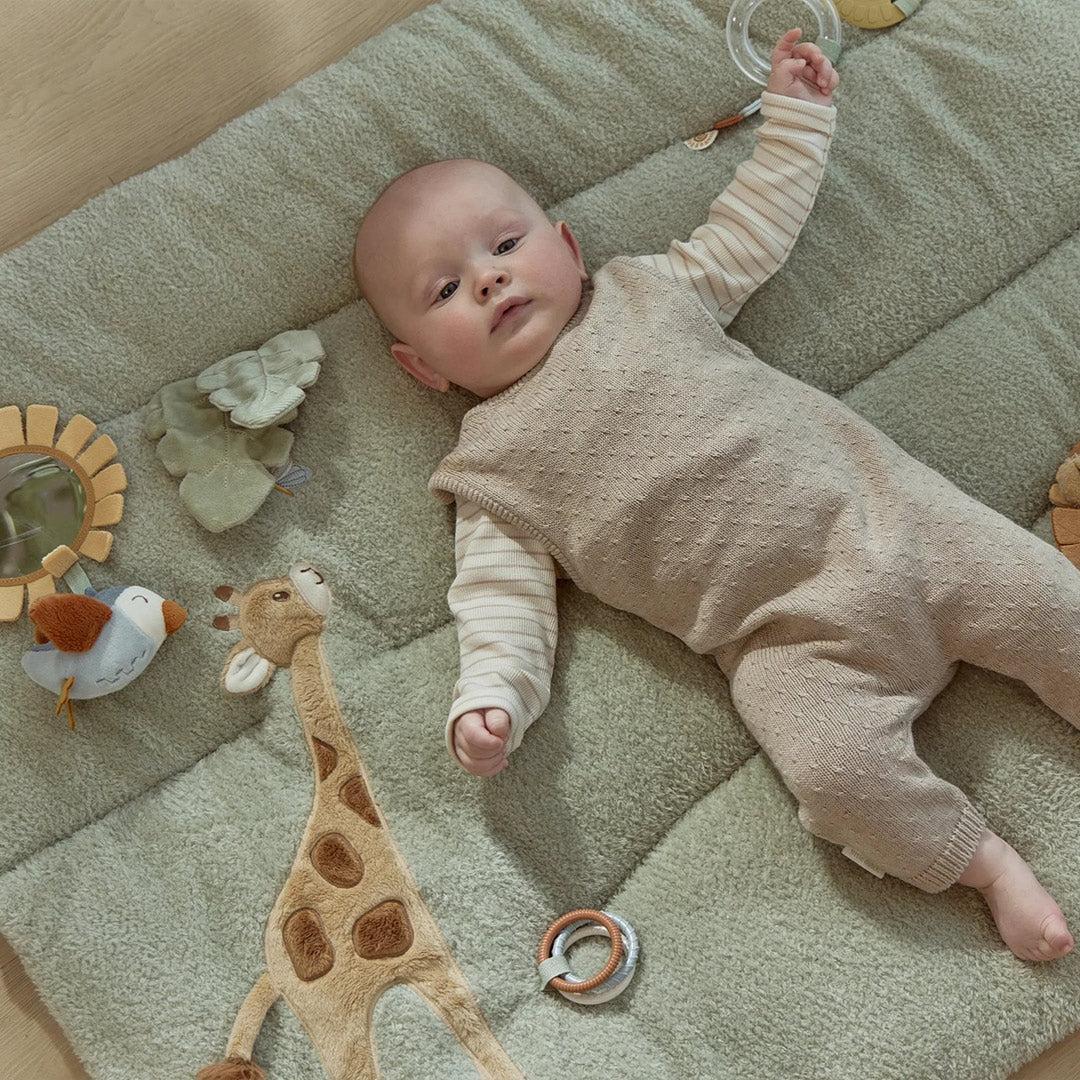
Materials remain one of the clearest markers of changing parent priorities. Organic cotton continues to be a favourite for clothing, bedding, muslins and towels because it feels gentle against delicate skin and aligns with a lower-impact approach to textile production. Parents are also paying more attention to wool, natural rubber, responsibly sourced wood and bamboo-derived fabrics, although this is an area where nuance matters.
Not every natural material is automatically the better choice in every category. Bamboo, for example, is popular for its softness and fast-growing source plant, but how it is processed matters. The same goes for wood toys and nursery furniture. Responsibly sourced timber with a durable finish is appealing, but quality construction is what really extends a product's life.
For shoppers, the wider trend is less about chasing a single miracle material and more about choosing products with clear, thoughtful composition. Soft goods that wash well, nursery furniture that stands up to years of use and baby care items free from unnecessary additives all reflect this direction.
Products that grow with your child are in demand
One of the most useful developments is the rise of multi-stage design. Parents want products that can move through newborn days into toddlerhood without feeling like a compromise on function or style.
This applies across the home and beyond it. In sleep, that might mean a bedside crib that supports the earliest months before a move into a long-lasting cot or cot bed.
In feeding, it often looks like a highchair designed to adapt over several years. In travel, it can mean modular systems or durable pushchairs that are built for more than one short phase. This trend makes sense both practically and environmentally.
Fewer replacements mean fewer purchases, less waste and less decision fatigue. The trade-off, of course, is that adaptable products often require a higher initial investment.
For many families, that is worthwhile if the design is genuinely long-lasting. For others, a mix of new essentials and pre-loved finds may be the better route.
Pre-loved, refurbished and perfectly imperfect are moving mainstream
A few years ago, buying second-hand for baby might have felt limited to clothing bundles or nursery décor. Now, pre-loved shopping is becoming a more established part of the premium parenting space. Parents are increasingly comfortable with the idea that not every baby product needs to be bought brand new, especially for short-use categories.
This trend works particularly well when retailers create trust around condition, quality checks and product history. It takes the uncertainty out of resale and makes circular shopping feel far more accessible.
For families trying to balance sustainability with budget, it is an appealing middle ground. That said, some categories still need more caution. Safety-led products, especially those with specific usage histories or expiry guidance, require closer attention.
Sustainability should never override safety standards. The smarter mindset is to treat pre-loved as part of a wider strategy rather than a blanket rule for every purchase.
Shop our Pre-Loved shop at Natural Baby Shower
Cleaner design and lower waste are shaping everyday essentials
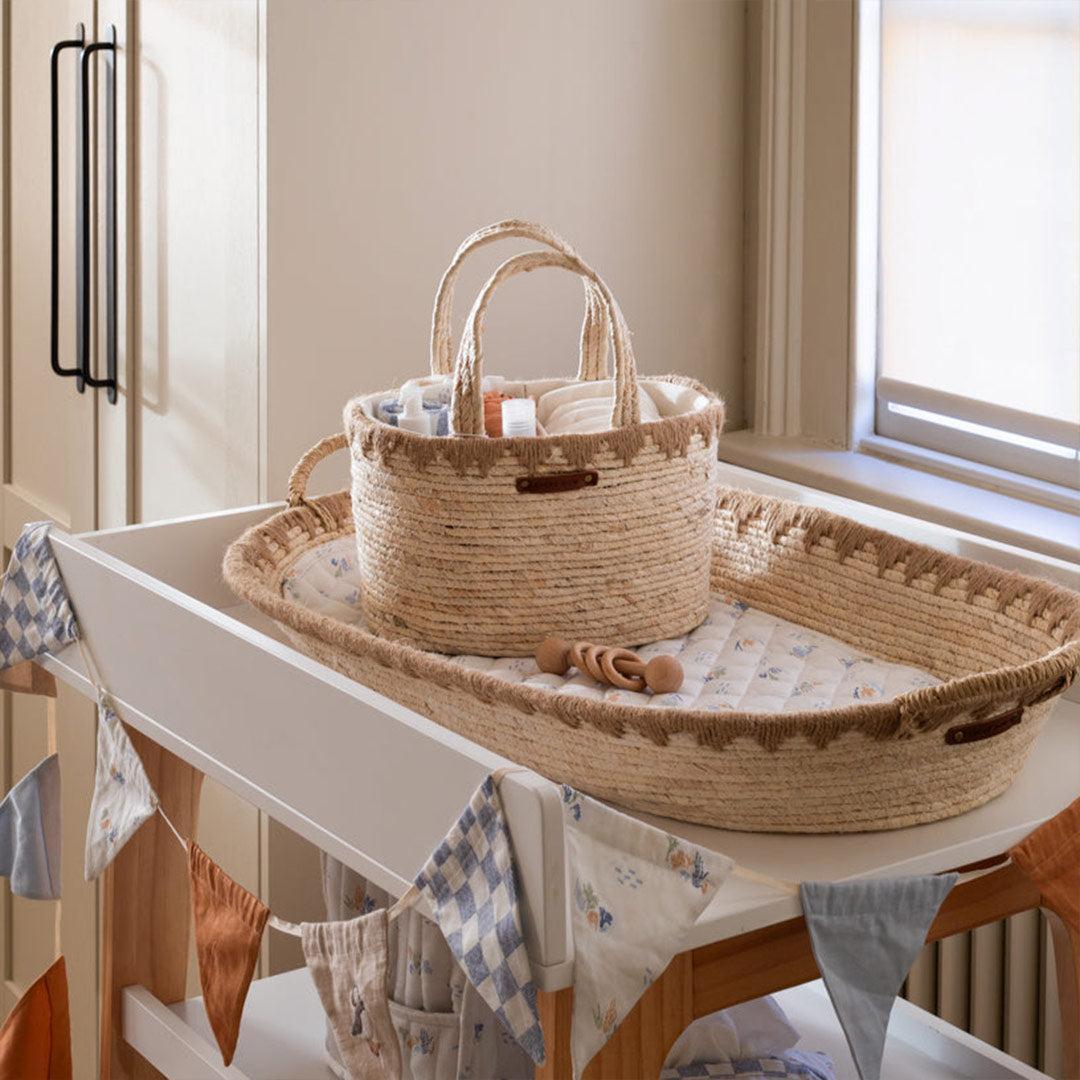
Parents are becoming less interested in novelty and more drawn to streamlined, purposeful design. In practical terms, that means fewer gimmicks, less plastic-heavy packaging and more products that integrate neatly into home life.
A changing bag that still works after the baby years, storage that suits the nursery and the living room, or feeding products with simple, durable construction all reflect this shift. This is where sustainable baby products trends overlap with aesthetics. Modern families often want baby gear that looks considered rather than temporary.
When products feel at home in the wider house, they are more likely to be kept, reused and passed on. Packaging is part of the conversation too. Excess layers, oversized boxes and unnecessary plastic wraps are increasingly at odds with what parents expect from premium brands.
Small changes, such as recyclable packaging or reduced filler, can make a product feel much more aligned with a sustainable purchase.
Sustainability is becoming part of bigger purchases too
It is easy to think of sustainability in terms of muslins, baby skincare or wooden toys, but some of the most meaningful decisions happen in high-consideration categories. Pushchairs, nursery furniture and sleep essentials all carry a larger materials footprint and a bigger cost commitment, so longevity matters even more here.
Parents are looking for travel systems with durable fabrics, replaceable components and timeless finishes that will not date quickly. In nursery furniture, there is growing interest in well-crafted pieces that can move from baby room to toddler space without needing a full reset.
A clean-lined cot bed or dresser with staying power often makes more sense than trend-led furniture with a short visual lifespan. This does not mean every sustainable choice has to be minimalist or expensive. It simply means parents are placing greater value on products that feel enduring.
Style still matters, but so does staying power.
Why transparency matters more than trend language
One of the clearest shifts in this market is that parents are becoming better at spotting vague claims. Terms like eco-friendly or green are no longer enough on their own.
Shoppers want clearer information on materials, certifications, manufacturing standards and practical lifespan. For brands and retailers, transparency builds trust. It also helps parents compare products properly, especially in categories where several items may look similar at first glance.
A premium product needs to justify itself not just through appearance, but through honest detail and thoughtful design. This is why curated shopping guidance has become so useful. When parents are balancing safety, sustainability, aesthetics and budget, too much choice can be paralysing.
A well-edited selection helps them focus on what is genuinely worth considering for their stage of family life.
How to shop these trends without overbuying
The most sustainable shopping basket is usually the one that has been edited with care. Before buying, it is worth separating products into three groups: immediate essentials, useful upgrades and nice-to-haves.
That simple filter often cuts out impulse buys that look clever online but add little value once the baby arrives. It also helps to think in systems rather than individual items. Feeding, sleep, changing and travel all work better when products have been chosen to fit real routines.
A sustainable choice is not only about the material or packaging. It is also about whether the product genuinely suits your home, your lifestyle and how often it will be used. For many parents, the sweet spot is a blend of premium long-life essentials, everyday reusable items and carefully chosen pre-loved pieces. That balance tends to feel more realistic than trying to make every purchase perfect.
At Natural Baby Shower, this is exactly where thoughtful curation matters most. Sustainable shopping is rarely about a single hero product. It is about building a collection that feels right for your family now, while still making sense months and years down the line.
The best trend to follow is the one that leaves you with fewer regrets, fewer replacements and a home full of products you would choose again.


