


Is Your ISOFIX Base Compatible With Your Car Seat?
Is Your ISOFIX Base Compatible With Your Car Seat?
You’ve found the car seat you love, you’ve chosen a base for quicker click-in journeys, and then a small detail stops everything: “Is this ISOFIX base compatible with car seat?” It sounds like a simple yes or no. In reality, compatibility sits at the intersection of safety testing, regulations, and brand-specific design - which is why getting it right matters.
This is one of those baby purchases where “close enough” is not a thing. A base and a seat are either approved together, or they’re not. And if you’re building a travel set-up you can use confidently from day one, it’s worth understanding how ISOFIX compatibility is actually defined.
What ISOFIX is (and what it isn’t)
ISOFIX is the international standard for fixing points built into your car. Instead of relying solely on a vehicle seat belt, an ISOFIX base uses two rigid connectors that click into metal anchor points between your car’s seat and backrest.
Many bases also use a support leg or a top tether to reduce rotation and improve stability. What ISOFIX is not: a universal promise that any ISOFIX base will work with any infant carrier or toddler seat. ISOFIX standardises the car connection. It doesn’t standardise the seat-to-base interface across brands.
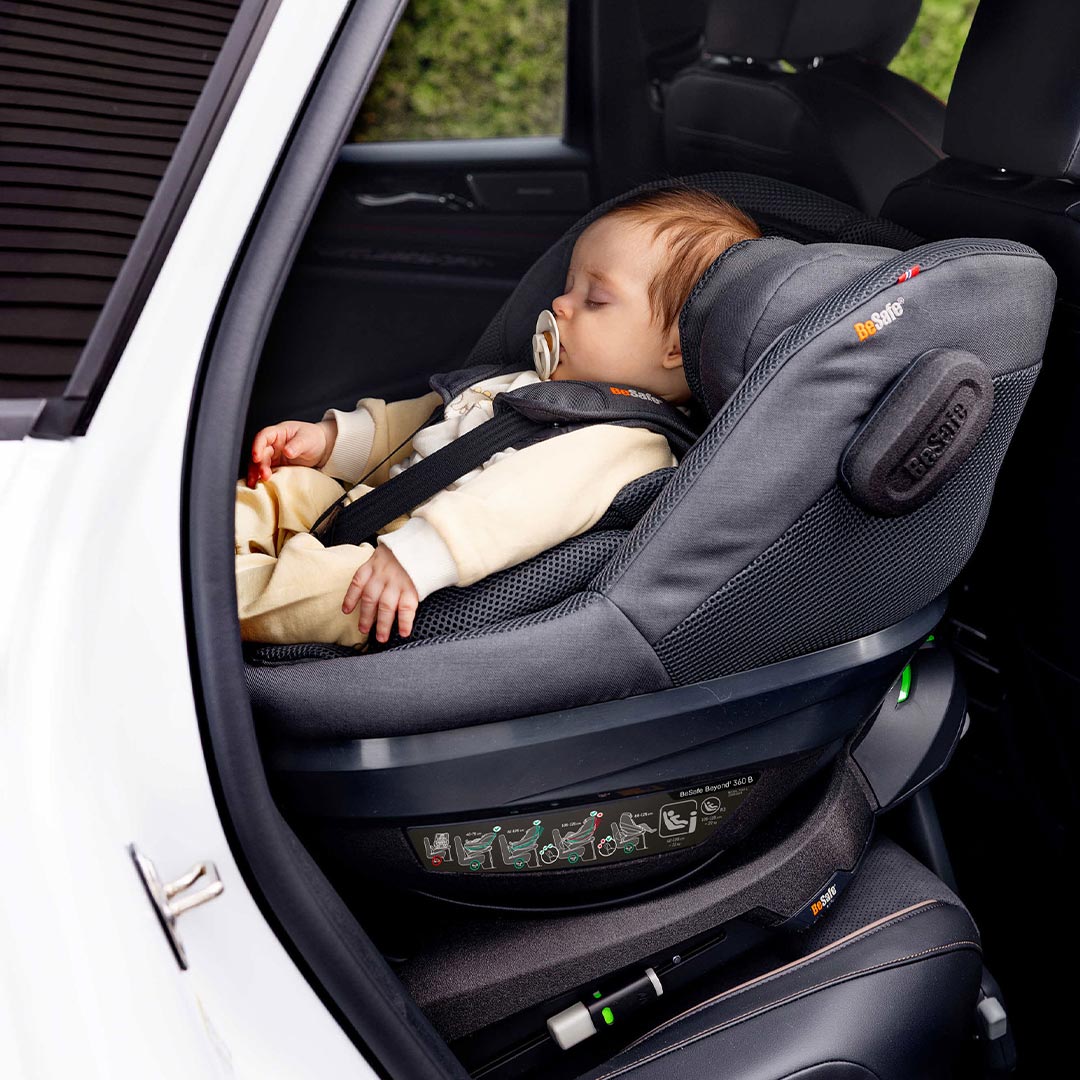
ISOFIX base compatible with car seat: why it depends
Compatibility is decided by the manufacturer’s approval and testing, not by whether the pieces physically attach. A car seat and base are tested as a system for crash performance, stability, and correct installation outcomes.
That’s why two products that look like they should match can still be incompatible - because the pairing hasn’t been approved under the relevant regulation, or because the interface (release mechanism, angle, locking points) differs between model generations.
A practical way to think about it: ISOFIX is the language your car speaks. The base is the interpreter. The car seat is the passenger. You still need the correct interpreter for that specific passenger.
The two regulations you’ll see: R129 (i-Size) and R44
In the UK, you’ll commonly see seats approved to either UN R129 (often called i-Size) or the older UN R44 standard. Both can be safe when used correctly, but the rules around classification and fit differ.
R129/i-Size seats are classified by child height and include more modern testing requirements, including side impact testing.
Many i-Size bases and seats are designed to work together within a brand’s system, often with clearer fit guidance. R44 seats are classified by weight groups. You may still see them in circulation, particularly second-hand or in older family cars.
The key point for compatibility: regulation labels don’t automatically grant mix-and-match rights. A base approved for one seat under R129 isn’t automatically compatible with another R129 seat, even from the same brand.
Types of bases, and what they’re designed to do
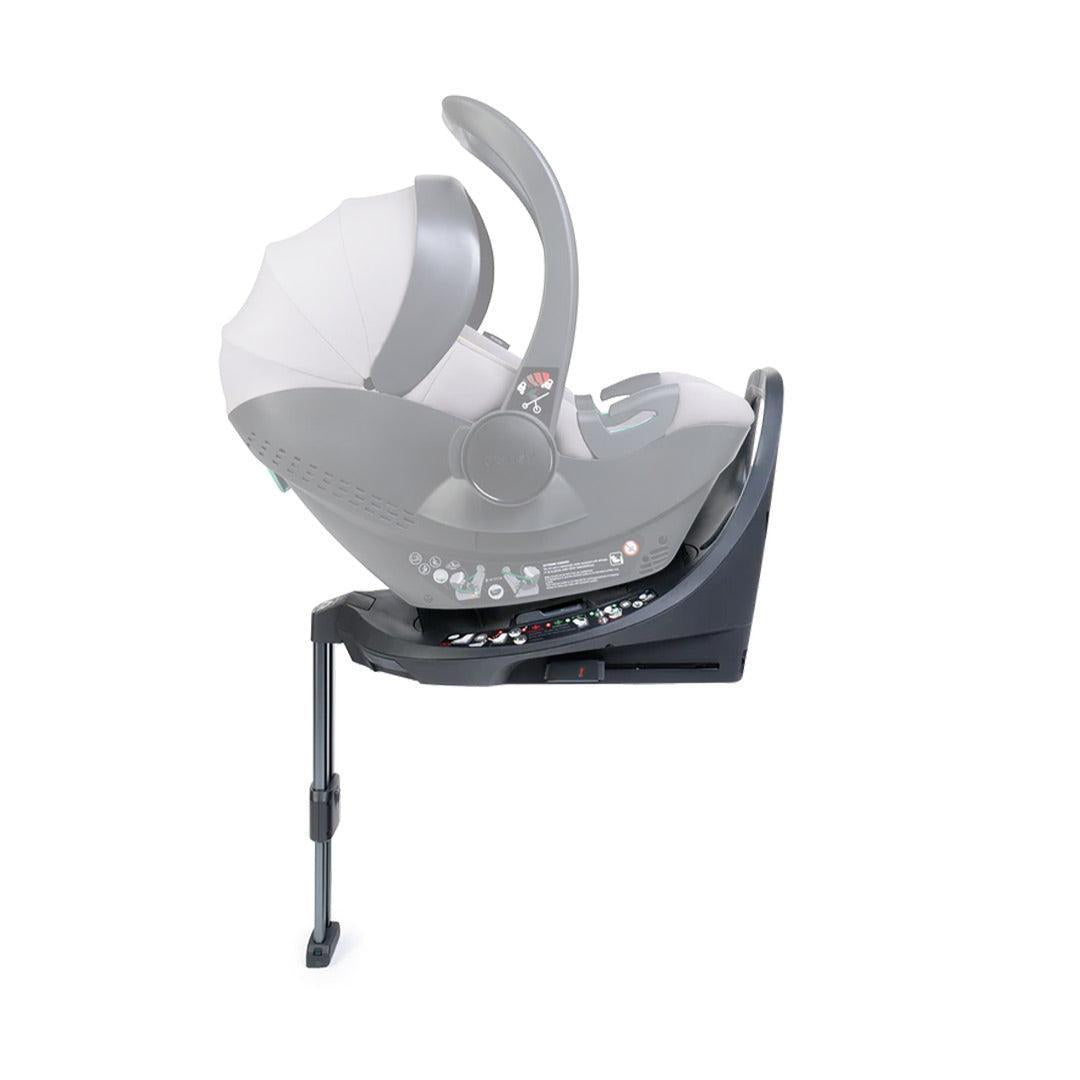
Infant carrier bases (Group 0+ style)
These are made for newborn-to-infant seats that you lift in and out of the car. They’re brilliant for quick transfers and can reduce installation errors compared with re-threading a seat belt each journey.
However, infant bases are usually highly model-specific. Even within one brand, an older infant seat and a newer “updated” version may use a different base.
Rotating bases (swivel systems)
Swivel bases are designed for easier access - turning the seat towards the car door makes buckling simpler, especially in tighter parking spaces. Some rotating bases work with both an infant carrier and the next-stage toddler seat, which can offer better long-term value.
The trade-off is that swivel systems are typically brand ecosystems. You’re buying into a platform, which can be a great choice if you plan to stay within that brand’s seat range.
Belted bases and ISOFIX bases
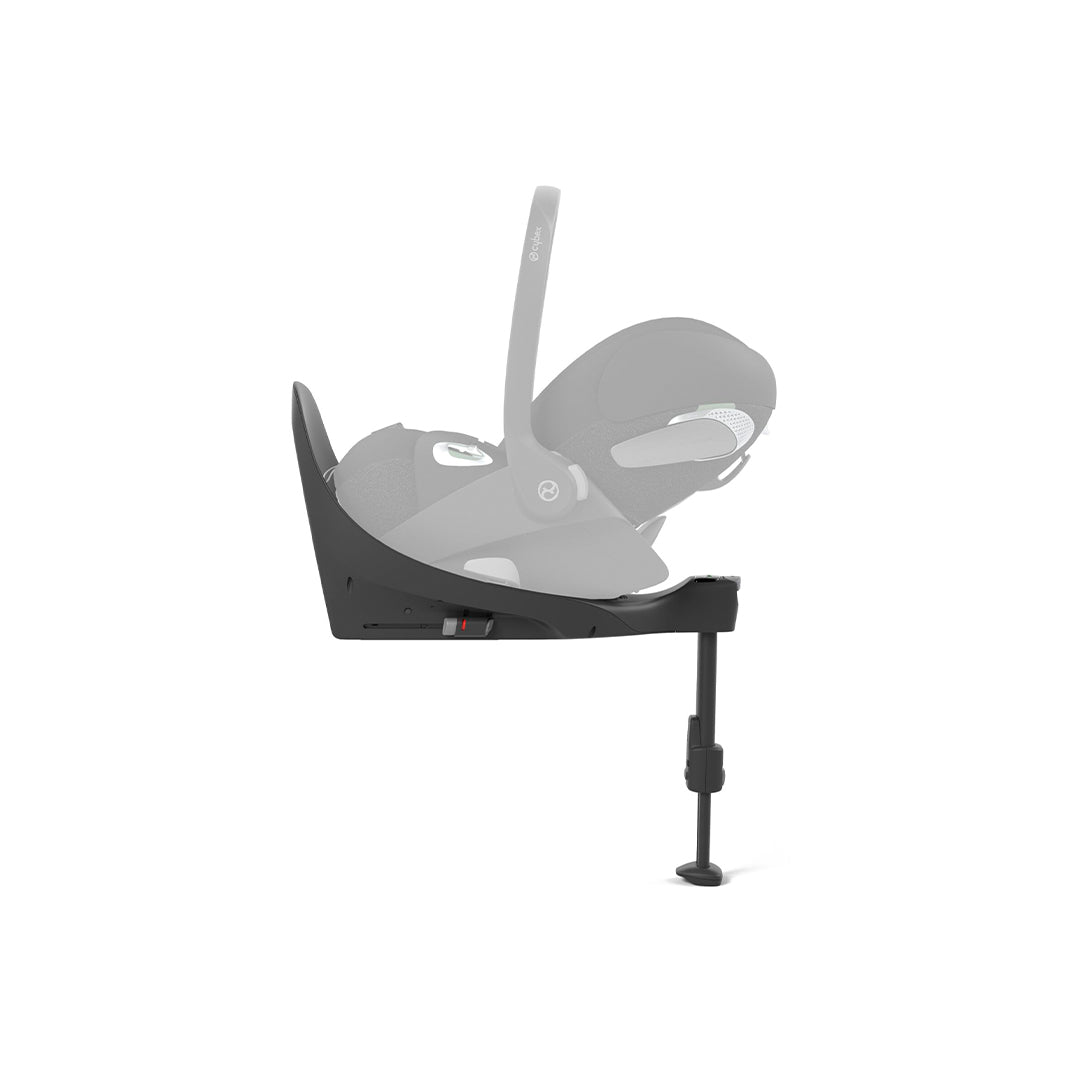
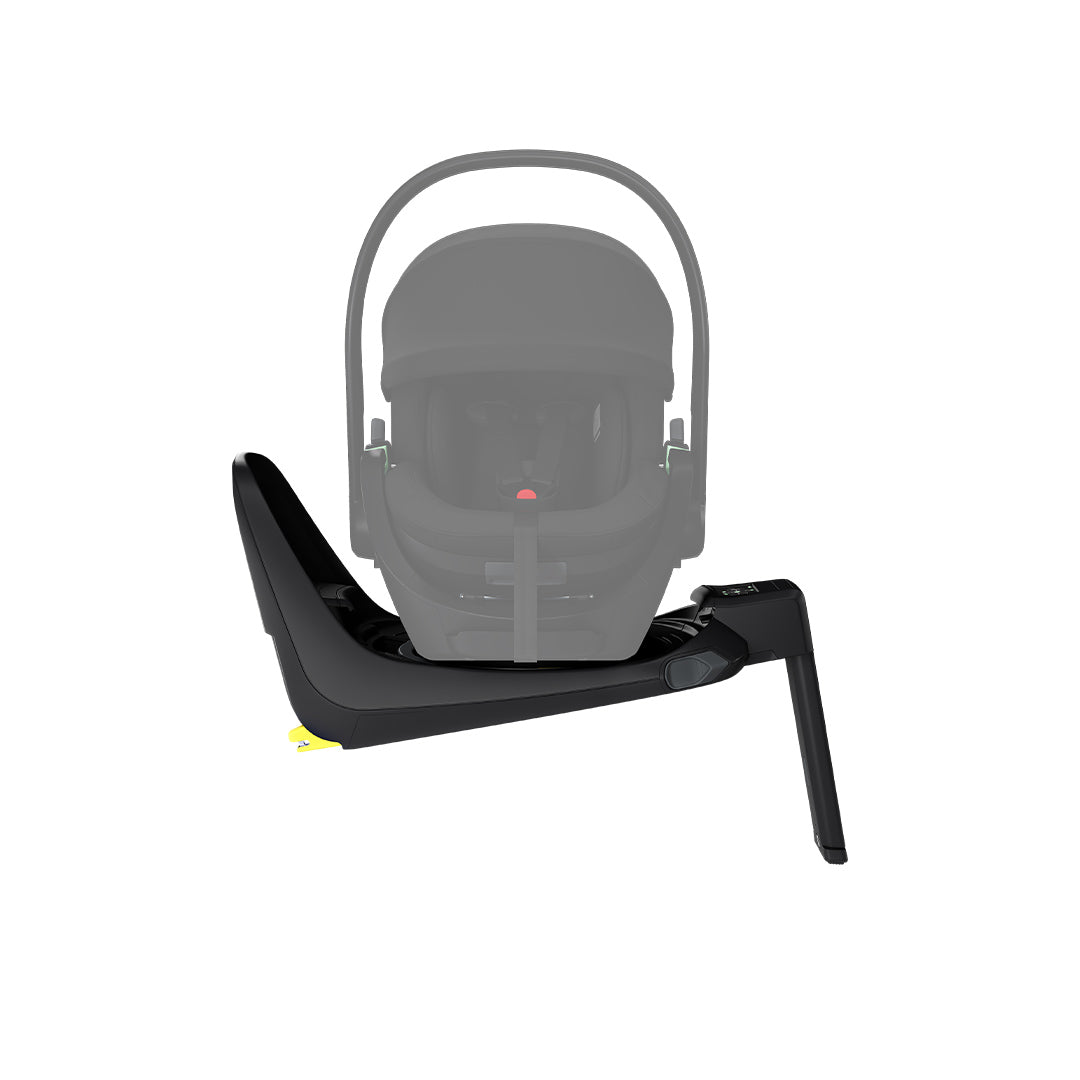
Some bases install with the vehicle seat belt rather than ISOFIX (or offer both). These can be helpful if you need flexibility across multiple cars, or if you have a vehicle without ISOFIX points (rare, but possible in older models). Even then, “belted base” does not mean universally compatible. The seat-to-base connection is still the deciding factor.
How to check compatibility the right way
There are a few checks that genuinely reduce decision fatigue, and they’re worth doing in this order.
1) Check the exact model name, not just the brand
Brands often have ranges where names are similar across years. A seat called “Pro”, “Plus”, or “i-Size” may look almost identical to a previous version but use a different base. Look for the full product name and generation, then match it to the base’s approved seat list.
2) Confirm the regulation and approval label
Every car seat has an orange approval label. It tells you whether it’s R129/i-Size or R44, and includes important identifiers. If you’re pairing a base and seat, both should have documentation showing they’re approved together. If you’re considering a pre-loved seat, this label is non-negotiable. If it’s missing or unreadable, you can’t verify what it is.
3) Use the manufacturer’s compatibility list
Manufacturers publish compatibility guidance for bases, including which seat models click in and which vehicles are approved for installation. This matters because there are two layers of compatibility:
- Seat-to-base compatibility (does the seat lock to that base, and is it approved?)
- Base-to-car compatibility (does that base install correctly in your specific car?)
You need both.
4) Consider your car’s constraints
Even with ISOFIX, real-world car design can complicate fit. A base with a support leg needs solid contact with the vehicle floor.
Some cars have underfloor storage compartments in the footwell; depending on the manufacturer’s instructions, you may need an approved filler piece, or that seating position may be unsuitable. Also consider the angle of your vehicle seats.
Some cars are more “sloped”, which can affect recline and newborn positioning. Some bases offer adjustable rebound bars or angle indicators to help, but not every car-seat combo will be ideal.
5) Don’t assume a “universal ISOFIX base” is universal
The phrase “universal” often refers to the base being broadly compatible with vehicle ISOFIX anchor points under a category approval, not that it’s compatible with all car seats. If a listing suggests a base fits “most seats”, treat that as a prompt to verify - not a green light.
Common scenarios parents run into
“We already have a base, can we just buy a different seat?”
Sometimes, but only within the base’s approved ecosystem. Some brands design bases intended to work across multiple seat stages (for example, an infant carrier now and a toddler seat later).
If that’s the case, the manufacturer will say so clearly. If your base was designed for one infant carrier only, swapping seats usually means swapping the base as well.
“The seat clicks in - does that mean it’s safe?”
No. A mechanical click isn’t the same as tested compatibility. Even small differences in latch geometry can affect performance in a crash, and you’re unlikely to spot that by eye.
“We’ve got two cars - do we need two bases?”
It depends on your routine. If you’re regularly moving the seat between cars, two bases can make life easier and reduce the temptation to rush installation. If you only occasionally use a second car, a seat that can be installed safely with a seat belt (or a base that can be moved without hassle) may be the better fit.
“What if our car isn’t i-Size?”
Many i-Size seats can still be installed in non-i-Size seating positions, as long as the vehicle is on the manufacturer’s approved list. i-Size mainly simplifies vehicle fit by standardising certain dimensions, but it doesn’t mean your car has to be labelled i-Size to use an i-Size seat.
What to prioritise when you’re choosing a system
If you’re at the start of your car seat journey, compatibility becomes easier when you choose a system intentionally. If your priority is ease and low error risk, a dedicated base that is clearly approved for your chosen infant seat is a strong option.
If your priority is value over time, look at a modular system where one ISOFIX base works with both an infant carrier and the next stage seat. The upfront cost can be higher, but you may avoid buying a second base later.
If your priority is flexibility (multiple cars, taxis, grandparents), you might prefer a seat that installs well with the vehicle belt as well as using ISOFIX when available. The trade-off is that you’ll want to be confident fitting it correctly each time.
And if sustainability is part of how you shop, modular systems and longer-use seats can reduce the number of items you need across the early years - as long as the fit is right for your child and your car.
A quick word on buying pre-loved bases or seats
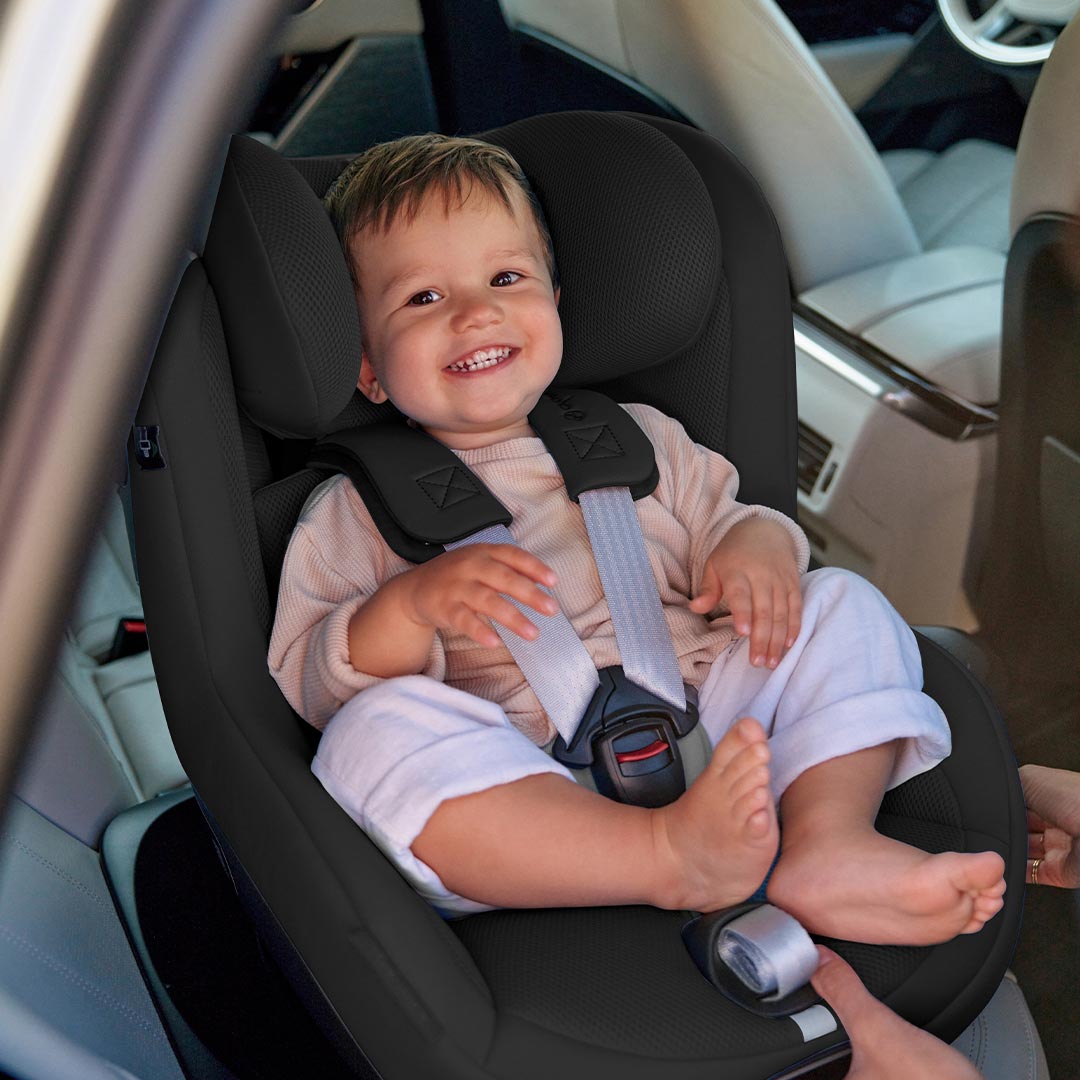
Pre-loved can be a thoughtful choice, but car seats are the category where you have to be strict. Only consider a pre-loved seat or base if you know its full history, it has never been in an accident, it’s within its lifespan, and all labels and manuals are present so you can confirm that the ISOFIX base is compatible with the car seat. Missing parts, unknown provenance, or a seat that’s been stored poorly are reasons to walk away.
The check that saves the most stress
Before you press checkout, choose your seat first, then choose the base that is explicitly approved for that exact seat model, and finally confirm that base is approved for your car.
That order keeps the decision anchored in safety, not convenience. And when you find a pairing that’s genuinely compatible, you’ll feel it every time the seat clicks in cleanly and you can get on the road with one less thing to second-guess.


