


Crib Mattress vs Cot Mattress: Which Is Best for Baby?
Crib Mattress vs Cot Mattress: Which Is Best for Baby?
A mattress is one of the few nursery purchases your baby will use for hours at a time, so the crib mattress vs cot mattress question is about far more than finding a style you like. The right choice comes down to the sleep space you have chosen, the mattress’s exact fit, and how long you expect it to work for your family.
For parents, the wording can be particularly confusing. A crib may describe a compact first bed, a bedside crib, or sometimes simply be used as another word for a cot. Product names vary between brands, which is why dimensions and compatibility should always lead the decision.
Crib mattress vs cot mattress: the key difference
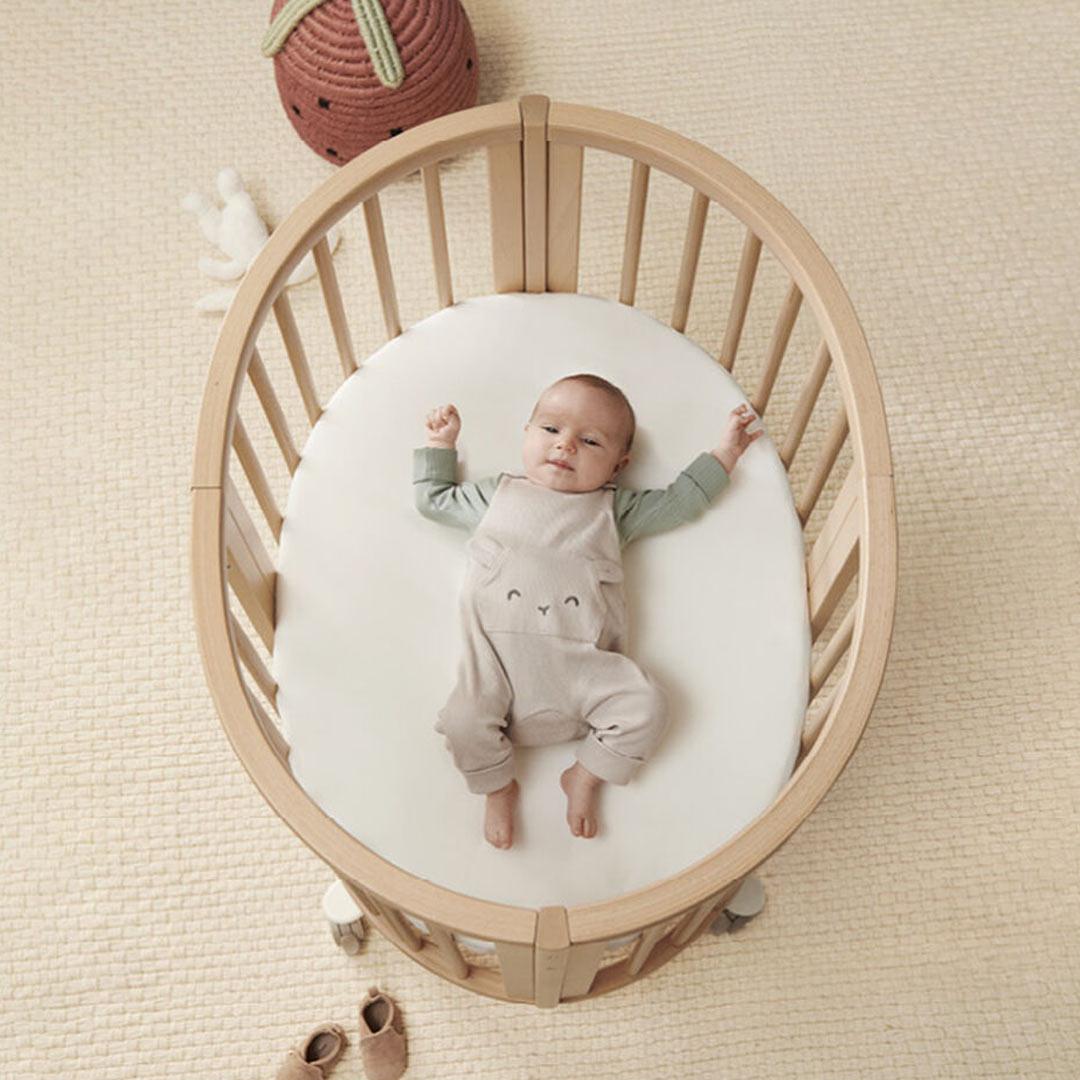
A crib mattress is usually made for a smaller, more compact sleeping space. This can be ideal for the newborn months, when you may want baby close by in your bedroom or need a sleep solution that suits a smaller room.
Depending on the design, a crib may be a freestanding crib, a bedside crib or a compact cot. A cot mattress is designed for a full-sized cot or cot bed. It offers a larger sleeping surface and is generally intended to last longer, often from birth until your child is ready to move into a toddler bed.
Cot beds are especially popular for parents creating a nursery that can adapt as their little one grows. Neither is automatically better. A crib can make sense if you are prioritising a cosy newborn set-up and a lighter footprint at home.
A cot mattress may be the more economical choice over time if you prefer to invest once in a longer-lasting sleep space. What matters is that the mattress is specifically made for the bed frame it will be used with.
Start with the bed, not the mattress
It is tempting to compare materials, depth and colour-coordinated covers first, but fit is the non-negotiable starting point. Check the manufacturer’s stated internal dimensions for your crib, cot or cot bed, then choose a mattress made to those measurements. Do not assume that two products described as ‘standard’ will match.
A baby mattress should lie flat and fit snugly against the sides and ends of the sleep space, without noticeable gaps. It should not bow, slide around or leave room for baby’s head or body to become trapped.
Never try to make an incorrectly sized mattress work by adding rolled blankets, towels or padding around the edges. This is also why a cot mattress cannot simply be folded or squeezed into a crib, and a smaller crib mattress should not be used in a larger cot. The shape matters too.
Oval, round and uniquely shaped cribs require their own precisely compatible mattress, rather than a close alternative. Before ordering, measure if you can, even when buying a matching mattress from the same collection. Keep the product instructions and check whether the brand recommends a particular mattress depth.
Some beds have maximum mattress-height guidance, which helps ensure the side rails provide suitable protection as baby becomes more mobile.
What good support looks like for a newborn
Whether you choose a crib mattress or cot mattress, look for a firm, flat and level surface. A newborn does not need a plush mattress or added cushioning. A mattress that feels comfortably firm supports safer sleep guidance and is better suited to a baby who cannot yet reposition themselves.
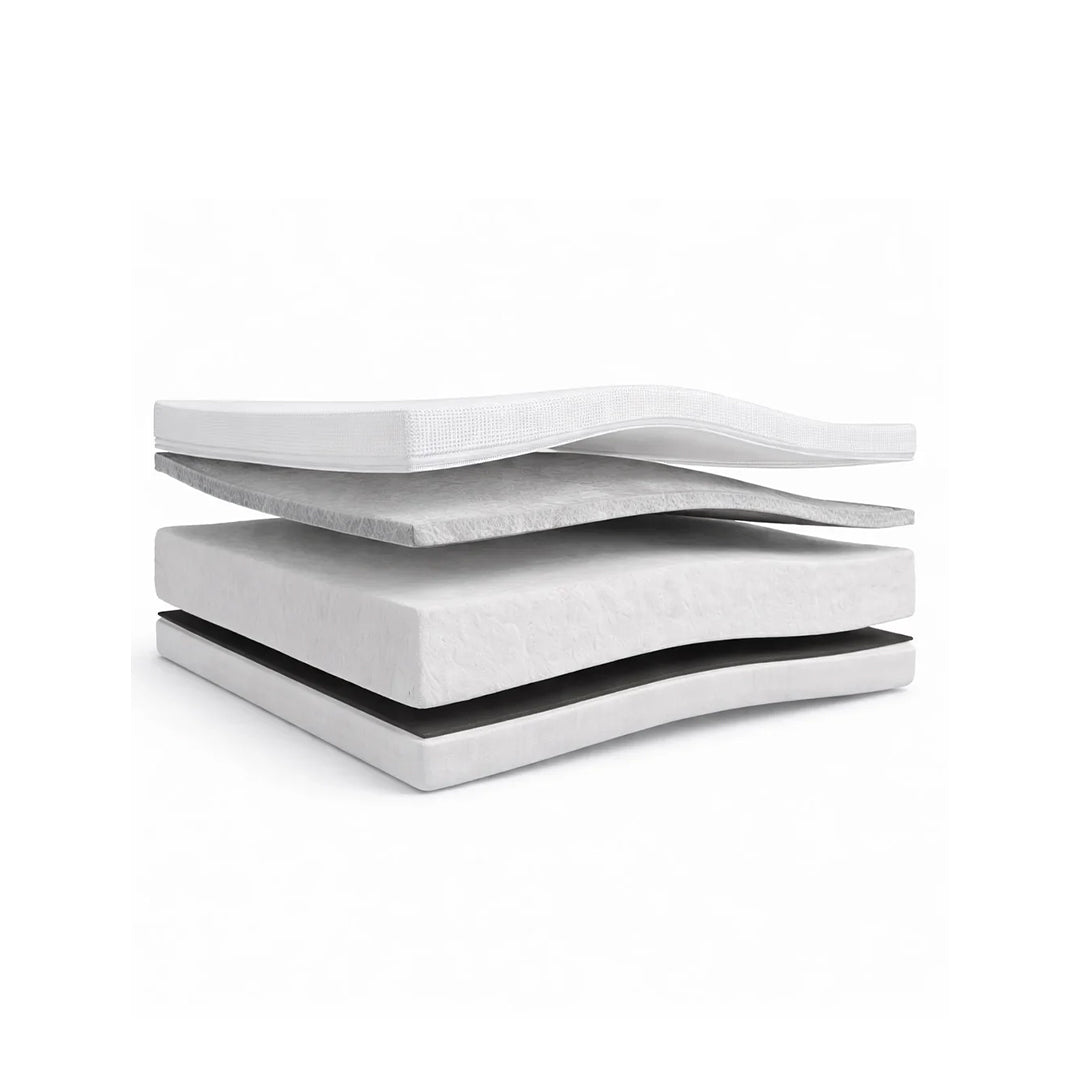
Mattress cores vary. Foam options can be light to lift when changing sheets, while sprung mattresses may offer a more structured feel and can be a considered option for a cot bed used over several years.
Natural fibres, including wool or coir, appeal to families looking for breathable, considered materials. Each construction has different benefits, so it is worth looking beyond a label such as ‘natural’ or ‘premium’ and checking the product’s care information, firmness and suitability from birth.
Breathability is often high on a parent’s wish list, particularly for warm bedrooms or summer babies. It can be a useful feature, but it does not replace the essentials: a correctly fitting mattress, a clear cot and a room temperature that is comfortable for baby.
The sleep surface should remain free from pillows, duvets, nests, positioners and soft toys while your baby is sleeping.
Think about the first six months
Many families choose a bedside crib or compact crib for the early months because it makes night feeds, reassurance and room-sharing more manageable. Having baby in the same room, in their own separate sleep space, can feel particularly practical during this period. If this is your plan, a crib mattress may be exactly the right short-term purchase.
It is not a compromise simply because it has a shorter lifespan. A well-chosen compact sleep space can suit your routine, bedroom layout and recovery after birth beautifully. On the other hand, some parents prefer to begin with a cot in their bedroom, then move it into the nursery later.
This avoids buying two mattresses and can be a good fit if your room has the space. It may feel less convenient in a compact bedroom, and moving a full-sized cot between rooms is not always practical.
There is no single best route, only the one that makes safe sleep easier to maintain every night.
Cost, longevity and lower-waste choices
A cot mattress often costs more than a crib mattress because it is larger and may be designed to support a longer period of use. Yet the initial price does not tell the whole story.
If you use a crib for only a few months before moving to a cot, you will need two separate mattresses. If you choose a cot bed from the start, one mattress may cover a much longer stage. For families weighing up sustainability, durability deserves as much attention as materials.
A high-quality cot mattress with a removable, washable cover and a durable core can be a thoughtful buy when it is used for years. Choosing a mattress with clear care instructions also makes it easier to keep it in good condition rather than replacing it prematurely. That said, buying less only helps when the product suits your real life.
A smaller crib that enables better rest during the early months has genuine value. It may also be possible to pass on or reuse the crib frame within the family, but mattresses should be approached more cautiously.
A new mattress is generally the safest choice, as you know its condition, hygiene history and whether it still provides the right firm, flat support.
Practical features that make everyday care easier
Night-time leaks and milk spills are part of life with a baby, so look for a mattress that is straightforward to protect and clean. A waterproof or water-resistant surface can be useful, provided it remains comfortable and breathable.
A fitted mattress protector adds another washable layer and should be made for the same mattress dimensions. Removable covers can be helpful, but check the washing instructions before relying on them for frequent laundry. Some mattress covers can be machine washed, while others need a gentler clean.
It is also worth considering weight. If you will be lifting the mattress regularly to change sheets in a deep cot, a lighter design may make those everyday jobs easier. Avoid adding extra padded toppers in pursuit of softness.
They can affect the mattress fit and create a sleep surface that is no longer flat. If a mattress has become sagging, damaged, lumpy or difficult to keep clean, it is time to replace it.
A considered choice for your nursery
A crib mattress is the natural partner for a compact newborn sleep space. A cot mattress is the stronger choice when you need room to grow and plan to use a cot or cot bed for longer. In both cases, precise compatibility, firmness and a clear, uncluttered sleep space matter more than extras.
Choose the sleep set-up that fits your home and the way you want to care for baby at 2am, not just the nursery look you have saved. When the mattress fits perfectly and the bed feels easy to use every day, you have created a calmer foundation for those precious early sleeps.


