


Best Nappy Bin to Combat Smell: What to Choose
Best Nappy Bin to Combat Smell: What to Choose
That moment when you open the nursery door and instantly regret it usually comes down to one thing - poor odour control. If you are searching for the best nappy bin for smell, the right choice can make everyday changing feel far more manageable, especially in those early months when nappies seem never-ending.
A good nappy bin is not just a place to stash used nappies. It is part of the rhythm of daily life with a baby, sitting quietly beside the changing table and doing a very specific job well.
For many parents, that job is less about storage and more about keeping the room fresh, hygienic and calm.
What makes the best nappy bin for combatting bad smell?
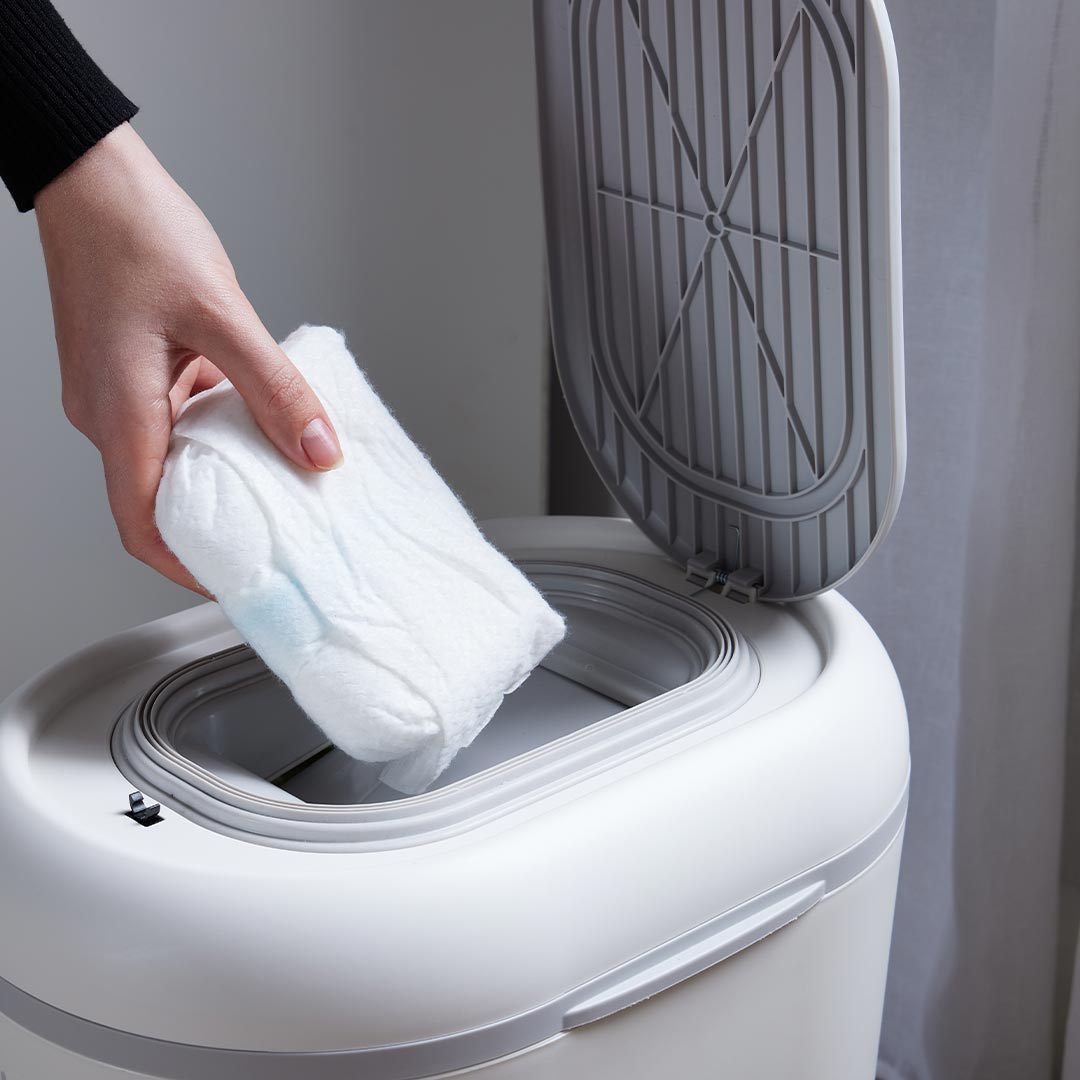
Odour control starts with how the bin seals each nappy away. The best designs create a proper barrier between the contents of the bin and the air in the room. That could mean a twist-and-seal mechanism, a self-sealing liner system or a tightly closing lid with minimal air escape. This matters more than size or shape.
A large bin might sound convenient, but if it lets smells build up and escape every time you open it, it quickly becomes less practical than a smaller bin with stronger sealing performance.
In real homes, especially where the changing station is in the nursery or bedroom, smell control is usually the feature parents notice first. Material also plays a part. Hard-wearing plastic bins are common because they are lightweight and easy to wipe down, but the quality of the finish matters.
A poorly made bin can absorb odours over time, particularly if the inside is scratched or difficult to clean. Better-quality models tend to have smoother interiors and more thoughtful construction, which helps with hygiene and long-term freshness.
The features worth prioritising
If smell is your main concern, there are a few details that make a noticeable difference. The first is a lid that closes securely without needing too much force. You will often be changing a baby one-handed, so ease matters, but not at the expense of a good seal. The second is whether the bin stores nappies individually or all together in one bag compartment.
Individually sealed systems tend to perform best for odour control because each nappy is wrapped away as soon as it goes in. The trade-off is that they often require specific refill cassettes, which can add to the ongoing cost. Bag compatibility is another point to think through early.
Some bins only work with brand-specific refills, while others allow more flexibility. If you prefer a lower-waste setup or want to avoid being tied to one type of liner, that can influence your choice just as much as the initial price. Pedal opening can be useful too. It keeps hands free and reduces the chance of touching the lid during changes.
That said, some pedal bins are better at convenience than smell containment, so it is worth looking at the full design rather than assuming a pedal means premium performance.
It depends on where the bin will live
The best nappy bin for smell in a compact nursery may not be the best option for a busy family bathroom or downstairs changing area. Room size, ventilation and frequency of use all shape what will work best. In a smaller nursery, strong odour sealing usually matters most. With less airflow, smells linger faster, so a sealed system is often worth the extra spend.
If the bin will live in a larger utility room or bathroom with a window, you may be comfortable with a simpler design, provided it is emptied regularly. There is also the question of aesthetics.
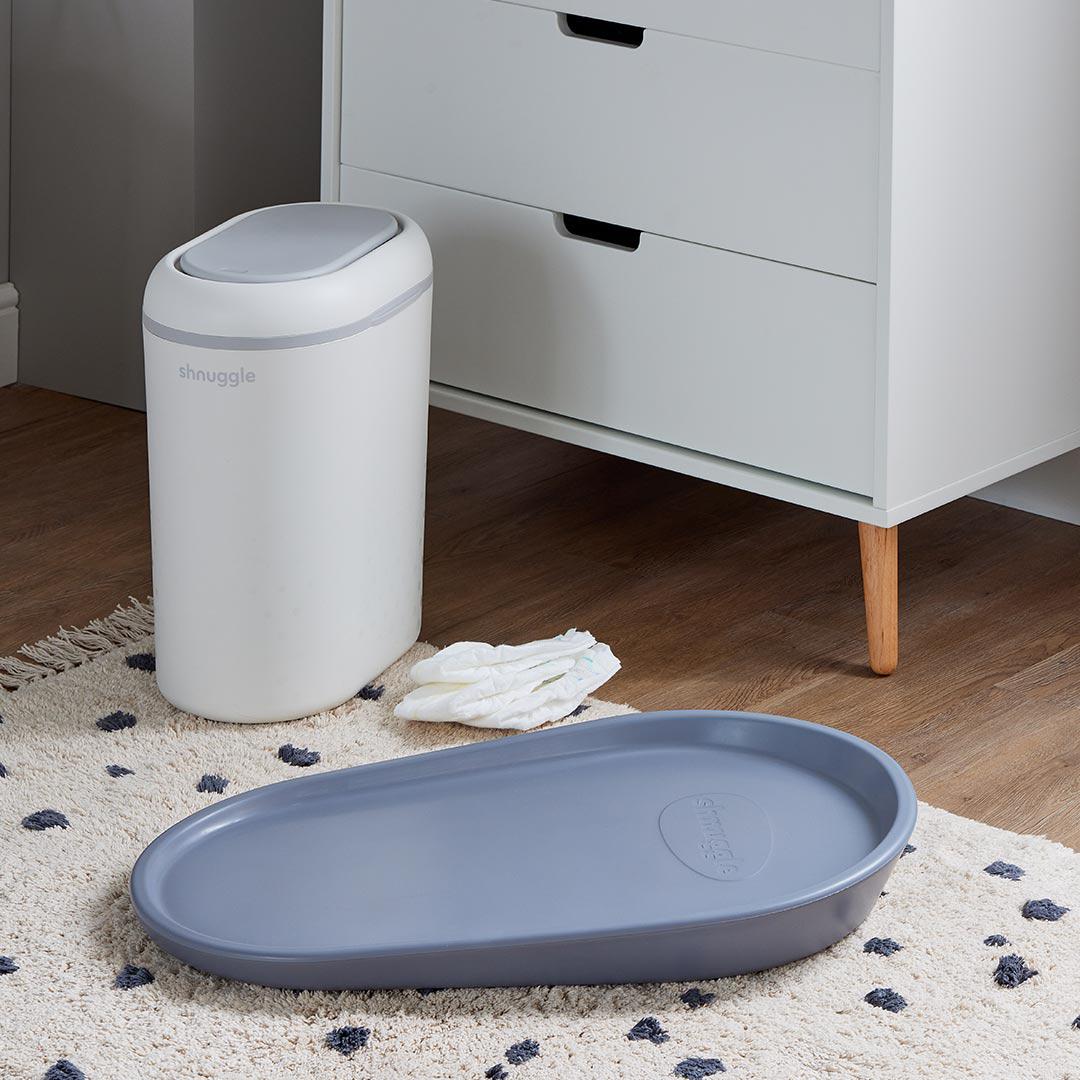
For many modern homes, baby gear is part of the room, not hidden away in a separate nursery.
A nappy bin with a clean, design-led finish can feel much easier to live with day to day, particularly if it sits in sight for months on end. Practicality comes first, but it does not have to come at the expense of style.
Refill systems, cost and sustainability
This is where the decision becomes more personal. Some of the strongest odour-control bins rely on refill cassettes or proprietary liners. They are effective, but they can be more expensive over time, and some parents prefer to avoid the extra plastic waste.
If sustainability is high on your list, look closely at what the refill system involves. Are the liners recyclable? Is the bin designed to work with less packaging? Can it be used beyond the nappy stage, perhaps as a bathroom or household bin? These details matter when you are trying to buy well once, rather than buying twice. There is no single right answer here.
A refill-based model may still be the right fit if keeping smells contained in a small nursery is your absolute priority. On the other hand, if you are aiming for a lower-waste changing setup, a well-sealed bin that works with standard liners may feel like the better long-term choice.
The best option is often the one that balances your home, your budget and your values.
What to avoid when choosing a nappy bin
A bin that looks generous in size but opens widely at the top can be disappointing in practice. The larger the opening and the weaker the seal, the easier it is for odours to escape each time you add a nappy.
In daily use, that tends to become frustrating very quickly. It is also worth being cautious with overly fiddly designs. If a bin is awkward to open, difficult to empty or annoying to reload, it may not suit the reality of tired, fast-paced parenting. The most successful baby products are usually the ones that feel intuitive from day one. Another common issue is choosing purely on price.
A cheap bin can seem fine at first, but if it fails to control smell, needs replacing early or becomes unpleasant to clean, it rarely feels like good value. In a category you will use multiple times a day, function tends to matter more than a small upfront saving.
How to tell if a premium nappy bin is worth it
Premium does not always mean better, but in this category it often means better engineering. A more thoughtfully designed nappy bin will usually have a tighter seal, smoother operation and a finish that holds up better over time.
That is particularly useful if you plan to use it through the newborn stage and well into toddlerhood. You are also paying for convenience. Features such as one-handed operation, neater refills and simpler emptying can sound small, but they become significant when repeated several times a day.
If a product reduces friction in a routine task, it earns its place very quickly. For many families, this is the kind of purchase that sits in the sweet spot between practical and worthwhile. It is not the most exciting item on the checklist, but it can have a real impact on how calm and clean your changing space feels.
Best nappy bin for smell - what matters
When comparing options, focus less on marketing claims and more on how the bin will work in your home. Ask whether it seals each nappy individually or traps all odours in one main compartment.
Think about how often you are willing to empty it, whether you want to buy dedicated refills and how important a lower-waste approach is to your routine. It also helps to be honest about where you are in the parenting journey.
During the newborn stage, nappies are frequent and the convenience of stronger odour control can feel invaluable. Later on, you may care more about capacity and easy emptying. The right choice now should suit your current routine, not an idealised one. For design-conscious parents, it is worth choosing a model that feels at home in your space.
At Natural Baby Shower, that balance of function, quality and considered design is what makes everyday essentials easier to live with, especially in the rooms you use most.
A nappy bin will never be the star of the nursery, but the right one can quietly make the whole room feel better. Choose the model that matches your pace, your space and your priorities, and you are far less likely to notice it at all - which is exactly the point.


