


Sleeping Bag TOG Guide
Sleeping Bag TOG Guide
The 2am question is rarely “what looks cutest in the nursery?” - it’s “is my baby too hot or too cold?” That is exactly why a baby sleeping bag tog guide UK parents can actually use matters.
Getting the tog right helps take some of the guesswork out of sleep, especially when British homes can swing from stuffy summer evenings to unexpectedly chilly early mornings.
A tog rating tells you how warm a baby sleeping bag is. The higher the tog, the more insulation it offers. But tog is only one part of the picture. Room temperature, your baby’s clothing, their age, and even the way your home holds heat all affect what will feel comfortable overnight.
How to use a baby sleeping bag tog guide UK parents can rely on
In simple terms, think of tog as a warmth scale. Lower togs are designed for warmer rooms, while higher togs suit cooler bedrooms.
Most baby sleeping bags you will see in the UK sit within three common categories:
- 0.5 tog for hot weather
- 1.0 tog for warm to mild conditions
- 2.5 tog for cooler nights.
Some brands also offer 3.5 tog options for colder homes, though these are less of an everyday choice for many families. The key is to dress for the room, not the season on the calendar. A baby’s nursery in January may still be quite warm if the heating is on steadily, while a room in June can feel surprisingly cool after the sun goes down.
That is why many parents find a room thermometer more useful than simply assuming “winter bag” or “summer bag”.
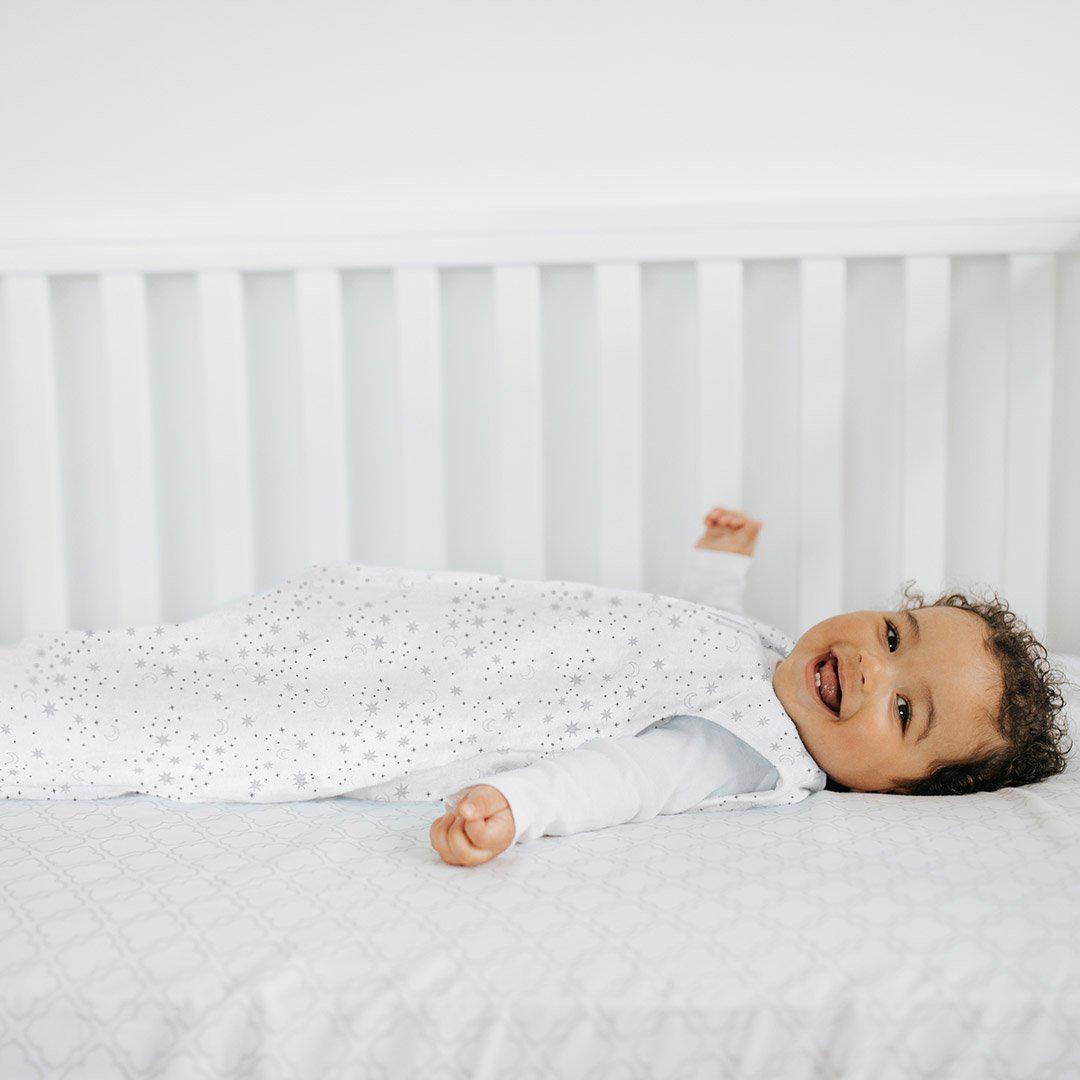
What tog for what temperature?
As a general guide,
- 0.5 tog sleeping bag is often best for room temperatures around 24°C and above.
- 1.0 tog style usually works well between roughly 20°C and 24°C.
- 2.5 tog sleeping bag is the standard choice for rooms around 16°C to 20°C.
If your baby’s room regularly drops below that, a 3.5 tog may be worth considering, though only if the product guidance supports it.
These ranges are helpful, but they are not universal rules. One brand’s recommended layering may differ slightly from another’s depending on fabric, fit and design.
Premium sleep brands tend to include their own dressing charts, and it is always worth checking those alongside any general advice.
Why room temperature matters more than the weather forecast
Outside temperature can be misleading. Top-floor bedrooms, period homes with draughts, new-builds with strong insulation and centrally heated nurseries all behave differently. A baby sleeping bag that felt perfect last week may suddenly feel too warm if the room has been heated more than usual.
This is where natural fibres can make a noticeable difference. Materials such as organic cotton, merino blends or breathable jersey linings can help regulate temperature more comfortably than heavy synthetic fabrics.
For many parents shopping premium sleep essentials, fabric choice matters almost as much as tog.
What should baby wear under a sleeping bag?
This is the part that causes the most hesitation, because a sleeping bag is never used on its own. Underneath, you are balancing layers with the tog rating. In a warmer room, that may mean just a short-sleeved bodysuit with a 0.5 or 1.0 tog bag.
In a cooler room, a long-sleeved sleepsuit with a 2.5 tog bag is more typical. What you want to avoid is over-layering “just in case”. Hats, extra blankets over the sleeping bag, or thick padded clothing can all increase the risk of overheating.
A well-chosen sleeping bag is designed to replace loose bedding, which is one reason many parents prefer them once baby is old enough to use one safely.
If you are unsure, check your baby rather than the back of their hands or feet, which often feel cooler anyway. The back of the neck or chest is a better indicator. If they feel clammy or sweaty, remove a layer. If their tummy or chest feels cool, you may need to add one.
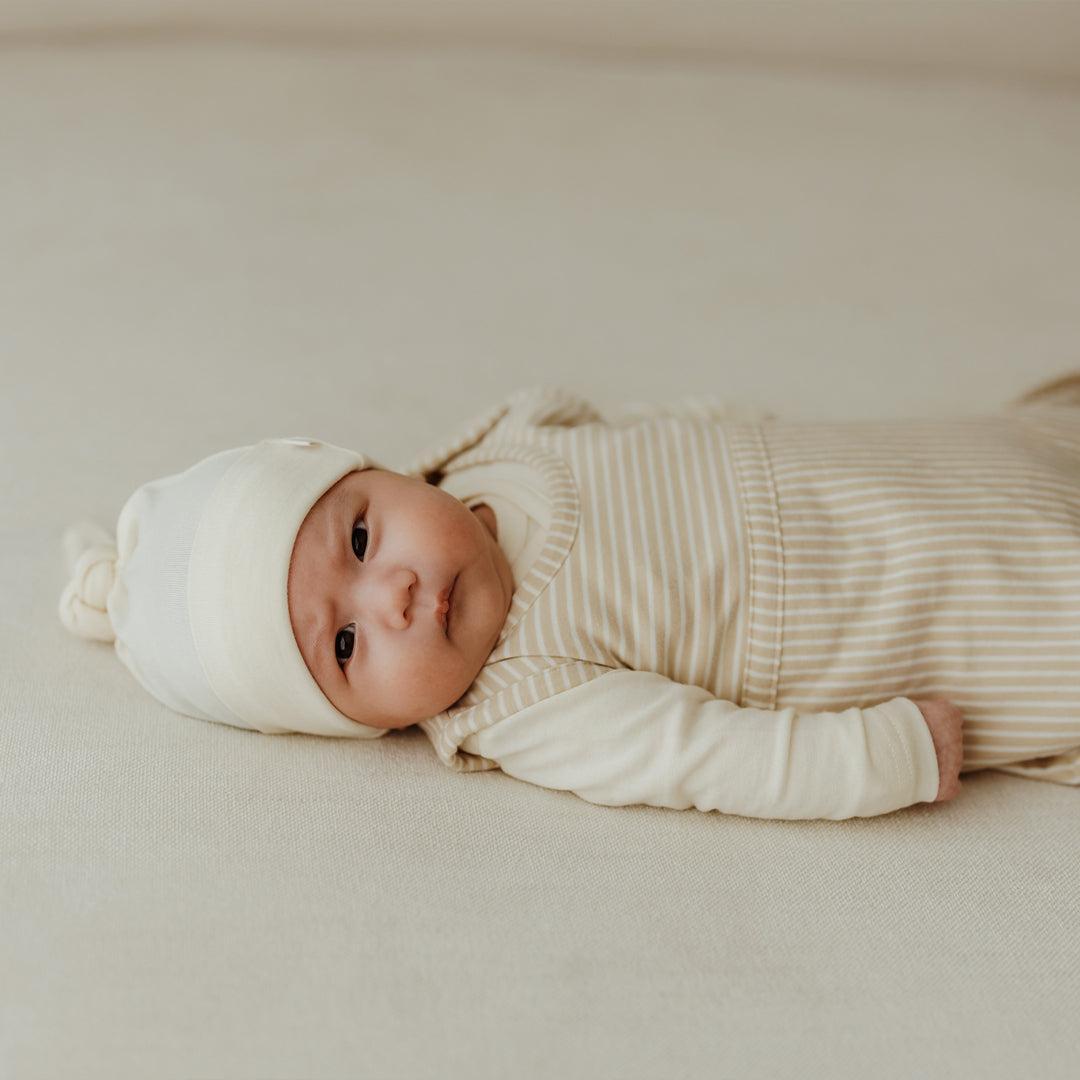
The biggest mistake with tog ratings
The most common misunderstanding is treating tog as a fixed answer. Parents often buy one sleeping bag, see a recommended age range on the label, and assume that is enough.
In reality, sleepwear usually needs a small edit through the year, especially in the UK where spring and autumn can shift dramatically from one week to the next.
For most families, a compact sleep rotation works better than a single bag for every month. A 2.5 tog is often the hero piece for much of the year, with a lighter 1.0 tog or 0.5 tog added for warmer spells. That gives you flexibility without overbuying.
Do all babies sleep at the same temperature?
Not quite. Some babies naturally run warmer than others. If your little one tends to get rosy cheeks and a warm neck quickly, they may be more comfortable in lighter layers. Others seem happiest with a little more warmth, particularly in the early newborn months when parents are watching every cue closely.
There is also the question of movement. A wriggly sleeper may feel warmer than a younger baby who is more settled and still. This is another reason to treat any tog chart as guidance rather than law.
Choosing the right sleeping bag for each season
A curated sleep setup tends to feel much simpler when you buy with your home in mind. If your nursery stays fairly consistent all year, you may only need one main tog and one lighter backup. If your home changes temperature quickly, a broader edit makes life easier.
For spring and autumn, a 2.5 tog is often the most practical place to start. It covers the majority of typical UK night-time temperatures and works with simple layering adjustments.
For summer, especially during heatwaves, a 0.5 tog or 1.0 tog sleeping bag can be a better fit.
In winter, some families continue happily with 2.5 tog and warmer sleepwear, while colder houses may call for a 3.5 tog.
From a shopping point of view, this is where quality matters. A premium sleeping bag with breathable fabrics, a well-designed zip, consistent sizing and clear care instructions tends to earn its place quickly.
Better construction also helps when you are washing sleepwear regularly and using it night after night.
Baby sleeping bag tog guide UK: when to size up
Tog is important, but fit matters too. A sleeping bag that is too large can be unsafe, while one that is too small can restrict movement and comfort. Always follow the manufacturer’s age and size guidance, paying attention to minimum weight recommendations where given.
If your baby is between sizes, resist the temptation to size up early for extra wear. A properly fitted sleeping bag should sit securely around the neck and armholes without being tight.
The right fit supports both comfort and safer sleep, and it often performs better from a warmth point of view too.
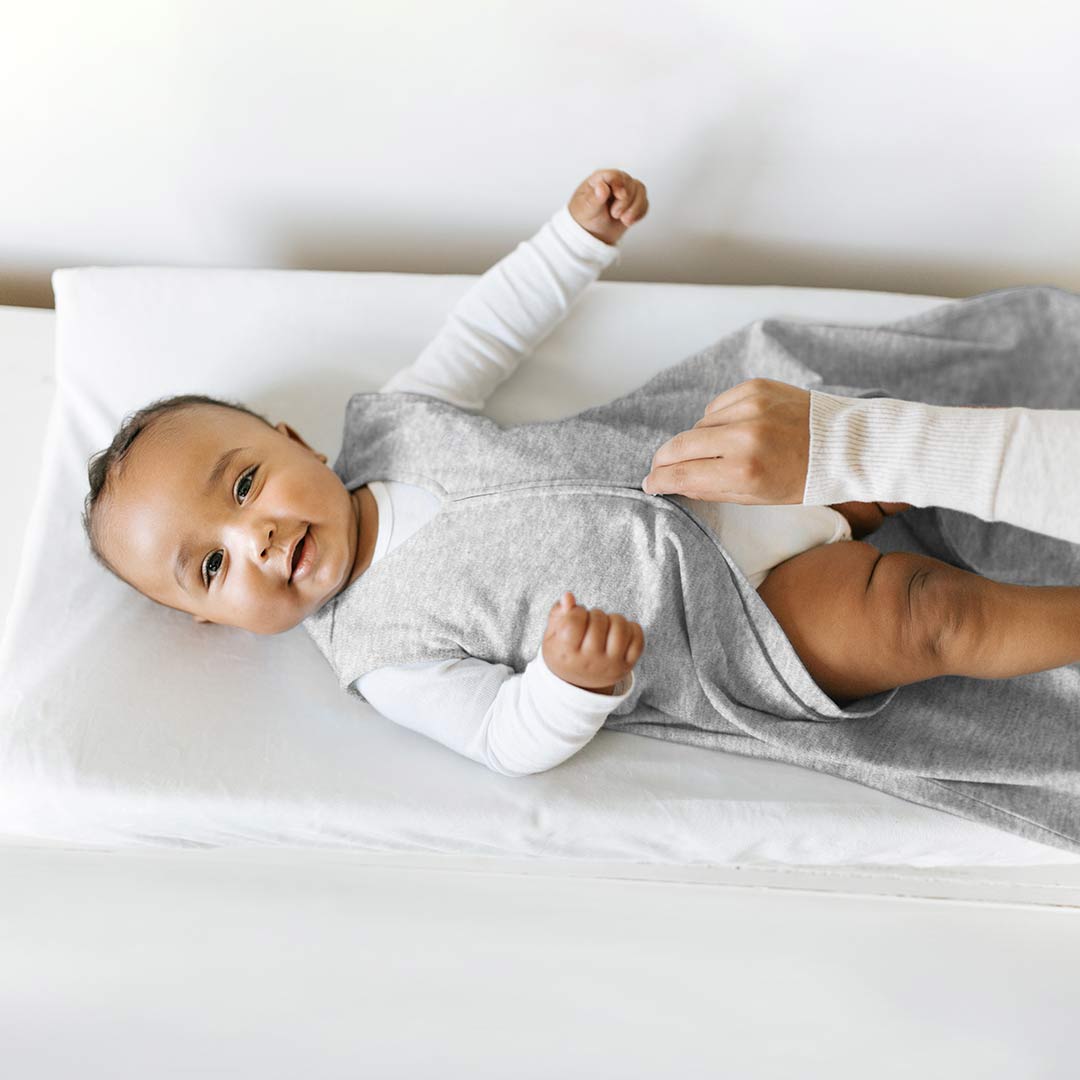
Is a sleeping bag always the best option?
For many parents, yes - once baby is developmentally ready and the product is being used as intended. Sleeping bags can simplify bedtime, remove the issue of kicked-off blankets and create a more consistent sleep environment.
But they are not one-size-fits-all in a practical sense. Some babies prefer more freedom, and some families use them only at night, not for naps. It also depends on your routine. If overnight changes are frequent, you may prefer a design with a two-way zip for convenience.
If you travel often or split time between homes, having two reliable tog options can make sleep feel more consistent wherever baby is settling.
A smarter way to shop sleep essentials
If you are building a baby sleep wardrobe from scratch, start with the room temperature you actually have, not the season you think you should buy for.
Then choose one or two high-quality sleeping bags that cover your most common conditions, alongside breathable sleepwear layers.
That approach usually saves money, reduces clutter and makes bedtime less of a nightly calculation. For parents who want a more considered, design-led edit, this is also where fabric certification, sustainable materials and long-lasting quality come into their own.


