



Toddler Feeding Essentials Guide for Easy Mealtimes

Some toddler meals are eaten with delight. Others end up on the floor, in a sleeve, or mysteriously tucked under a highchair cushion. A good toddler feeding essentials guide is not about creating picture-perfect mealtimes - it is about choosing the pieces that make daily life easier, cleaner and far less frustrating.
By toddlerhood, feeding looks very different from the early baby stage. You are no longer just thinking about bottles, bibs and weaning spoons. Now it is about independence, routine and finding products that can keep up with a child who wants to do everything themselves, often with mixed results.
The best essentials support that learning curve while still feeling considered enough for a modern family home.
What a toddler feeding essentials guide should actually help with
There is a reason feeding products multiply quickly once your child reaches the toddler stage. Meals happen at home, snacks need to travel, drinks get left everywhere, and your child may suddenly refuse the plate they happily used last week. The right setup does not remove the mess entirely, but it can reduce the daily friction.
A well-curated toddler feeding essentials guide should help you decide what is worth investing in, what can do more than one job, and what may not suit every family. Some households need compact, easy-store pieces for smaller kitchens.
Others want durable, design-led options that sit neatly alongside the rest of the home. For many parents, sustainability matters too, so material choice becomes part of the decision rather than an afterthought.
Start with the seat and the setting
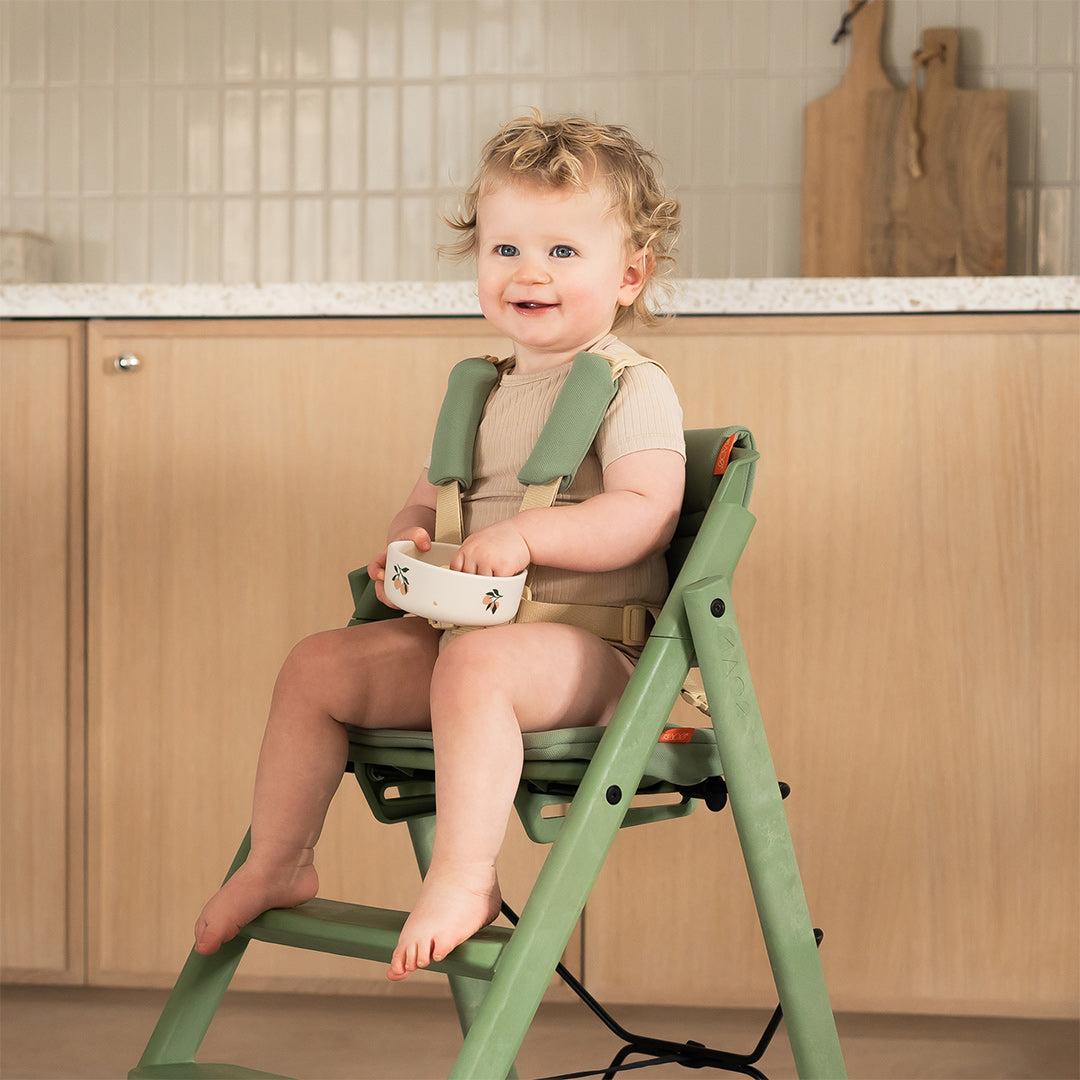
Before plates and cutlery, think about where your toddler is eating. A supportive highchair or toddler chair matters more than many parents expect. If your child is still using a highchair, foot support and a comfortable upright position can make a real difference at mealtimes.
If they have moved to a chair at the table, stability is key. Wobbling, slipping or sitting too low often leads to more frustration and less focus on eating. This is one category where longevity counts. A well-made feeding chair that adapts with your child can offer better value than replacing short-term options as they grow.
It also tends to look more at home in a dining space, which matters if you are trying to create a calm, cohesive setup rather than a cluttered corner of mismatched plastic. Easy-clean surfaces are equally important. Wipeable finishes, removable trays and simple lines without too many hard-to-reach gaps all save time. That may not sound especially exciting, but on a busy weekday morning it matters.

Plates, bowls and cups that support independence
Toddlers want ownership over mealtimes. That often means insisting on holding the spoon, choosing the cup, and carrying a bowl that is probably too full. The best feeding essentials work with that stage instead of fighting it.
- Sectioned plates can be helpful for children who prefer foods kept separate, though they are not a must for every family. Some toddlers love them, others do not care at all.
- Suction bases can be useful in the early toddler months when plate-flipping is still a favourite pastime, but they are only effective if they attach properly to your table or tray surface.
- Bowls with gently curved sides are usually more practical than very shallow designs, especially for yoghurt, porridge and pasta. As for cups, there is no one perfect option.
- Straw cups suit many toddlers well, while open cups are excellent for practising drinking skills at home.
- Handled beakers can work for some children, but others move on quickly. It depends on your child, your routine and where the cup will be used. Material choice is worth considering here.
Silicone offers softness, grip and everyday durability. Stainless steel is long-lasting and often a smart option for families looking for lower-plastic alternatives.
Bamboo-style composites can look beautiful, though care requirements vary and they may not always suit dishwashers or heavy daily use.
If sustainability is a priority, choosing a few well-made pieces that last is often the better route than constantly replacing cheaper sets.
The toddler cutlery that gets used every day
Toddler cutlery should feel manageable in small hands without being so short or chunky that it becomes awkward. Rounded forks and easy-grip spoons tend to work best, especially when toddlers are moving between self-feeding and asking for help. This is not always a category where more is better.
In practice, most families reach for the same two or three reliable sets again and again. If they wash well, feel balanced and are easy for your child to hold, that is usually enough. Keep in mind that some toddlers strongly prefer metal cutlery because it feels more like what adults use, while others do better with softer materials at first. It is also worth expecting a transition period.
A spoon that works brilliantly for porridge may not be the favourite for rice or peas, and forks are often accepted later than parents hope. A little flexibility matters more than a perfect matching set.
Bibs, mats and the clean-up pieces you will be glad you bought
Feeding essentials are not just about eating - they are also about what happens afterwards.
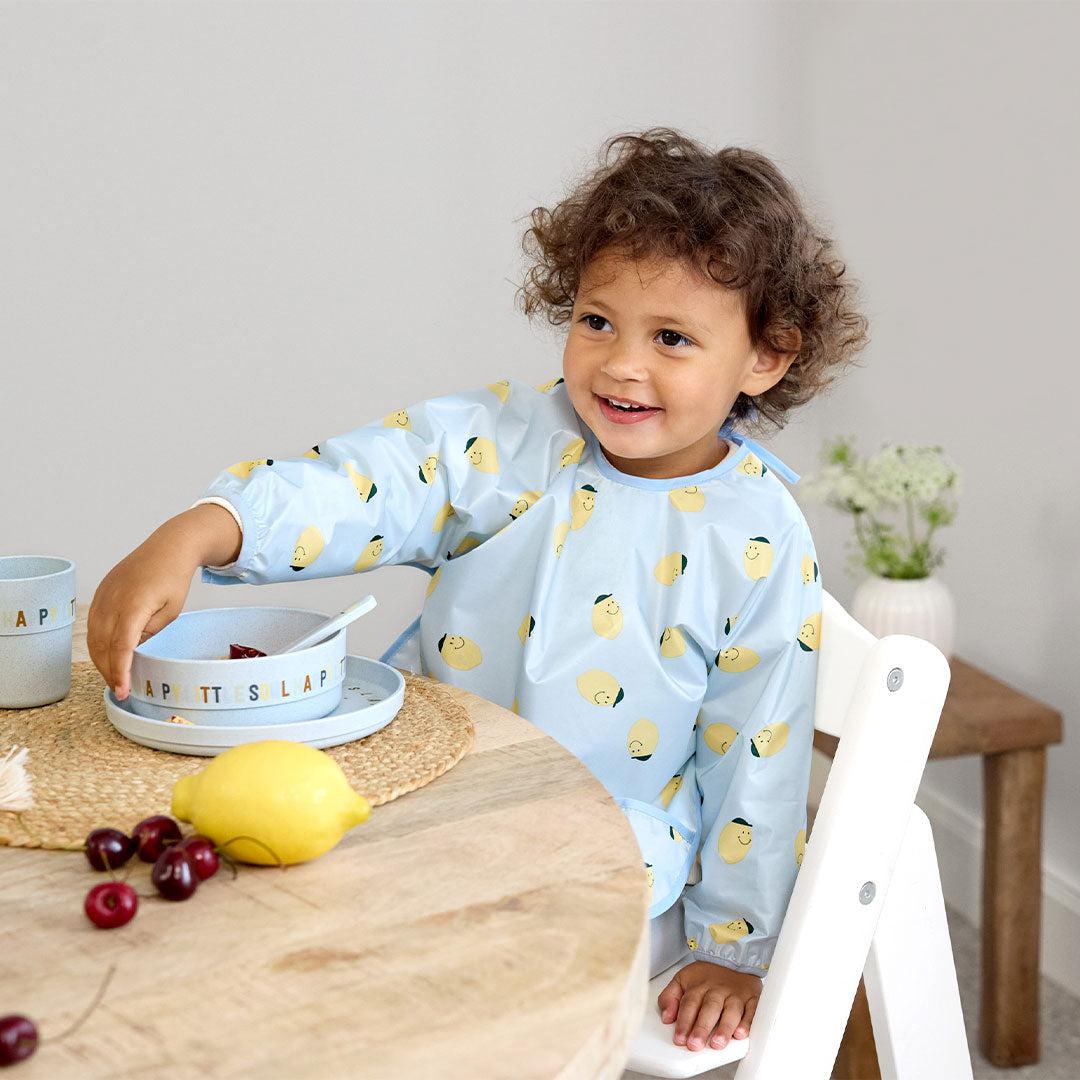
For toddlers, bibs still earn their place, especially for breakfasts, pasta dishes and snacks on the go. A soft silicone bib with a catch pocket is a dependable everyday option because it wipes clean quickly and handles mess without absorbing it. Long-sleeved bibs can be useful too, particularly during phases when your toddler treats every meal like a sensory activity.
They are not necessary for every child or every stage, but they can be excellent for particularly enthusiastic eaters. Splash mats under the chair are one of those purchases that can seem optional until you realise how often they save your floor. They are especially useful if you have carpet nearby or a dining area that is harder to wipe down.
Again, it depends on your home. In some kitchens, a quick sweep is enough. In others, a mat can make the whole setup feel more manageable.
Feeding essentials for out and about
At home, you can improvise. When you are out, good preparation matters more. Snacks become crucial during toddlerhood, whether you are heading to nursery, travelling, or trying to get through an afternoon without a mealtime-related meltdown.
Portable snack pots, leak-resistant containers and a dependable water bottle are the real heroes here. Look for containers that toddlers can open with some independence but not so easily that everything spills in the changing bag. That balance can be surprisingly hard to get right.
For drinks, durability matters. A bottle that survives being dropped from a buggy, kicked across the park or forgotten in a nappy bag is worth its place. Straw bottles are often easiest for on-the-go use, but cleaning needs should be part of the choice. If a bottle is awkward to wash, it tends not to stay in regular rotation for long.
How many feeding essentials do you really need?
This is where a practical toddler feeding essentials guide should be honest. It is easy to overbuy in this category because so many products look helpful. In reality, most families need a small edit of reliable pieces rather than a cupboard full of options.
A sensible setup often includes one supportive feeding seat solution, two or three plates or bowls in regular use, a couple of dependable cups, a few cutlery pieces, a wipe-clean bib or two, and travel-friendly snack and drink options.
Beyond that, it becomes more personal. If your child eats most meals at nursery, you may need less. If you regularly travel or spend long days out, portable pieces become more important.
Choosing products that layer neatly into your routine is usually the smartest approach. Premium does not need to mean excessive. It should mean better materials, stronger design, and a longer useful life.
Choosing pieces that suit your home and values
For many parents, feeding products are used several times a day and left on view between meals. That makes aesthetics more relevant than they might seem. Soft, modern tones, thoughtful design and quality finishes can help these everyday pieces feel more at home in your kitchen or dining space.
Sustainability should also feel realistic. Not every family will replace everything at once, and not every eco claim carries the same weight. Often, the most thoughtful choice is selecting durable essentials you will genuinely use every day, then adding only what fills a clear gap.
Toddlers rarely make mealtimes tidy, predictable or especially stylish. But the right feeding essentials can make them calmer, more comfortable and much easier to manage - which, for most parents, is more than enough.
At Natural Baby Shower, that blend of practicality, premium design and considered materials is exactly what makes a feeding collection feel worth shopping. The goal is not simply to buy more. It is to build a setup that works beautifully, lasts well and supports your family through a busy stage that changes quickly.
Shop our full collection of feeding essentials at Natural Baby Shower


