


Rear Facing vs Forward Facing Car Seat
Rear Facing vs Forward Facing Car Seat
That moment comes for most parents sooner than expected. Your baby looks bigger, their legs seem folded up, and suddenly the question starts to feel urgent - should you still be using a rear-facing seat, or is it time to turn them forward?
When comparing a rear facing vs forward facing car seat, the safest choice is not always the one that feels most intuitive.
For many families, the temptation to switch is driven by convenience, habit, or the assumption that a more upright, forward-facing position must suit an older baby better. In practice, the decision should come down to safety, your child’s age and measurements, and the limits of the seat itself.
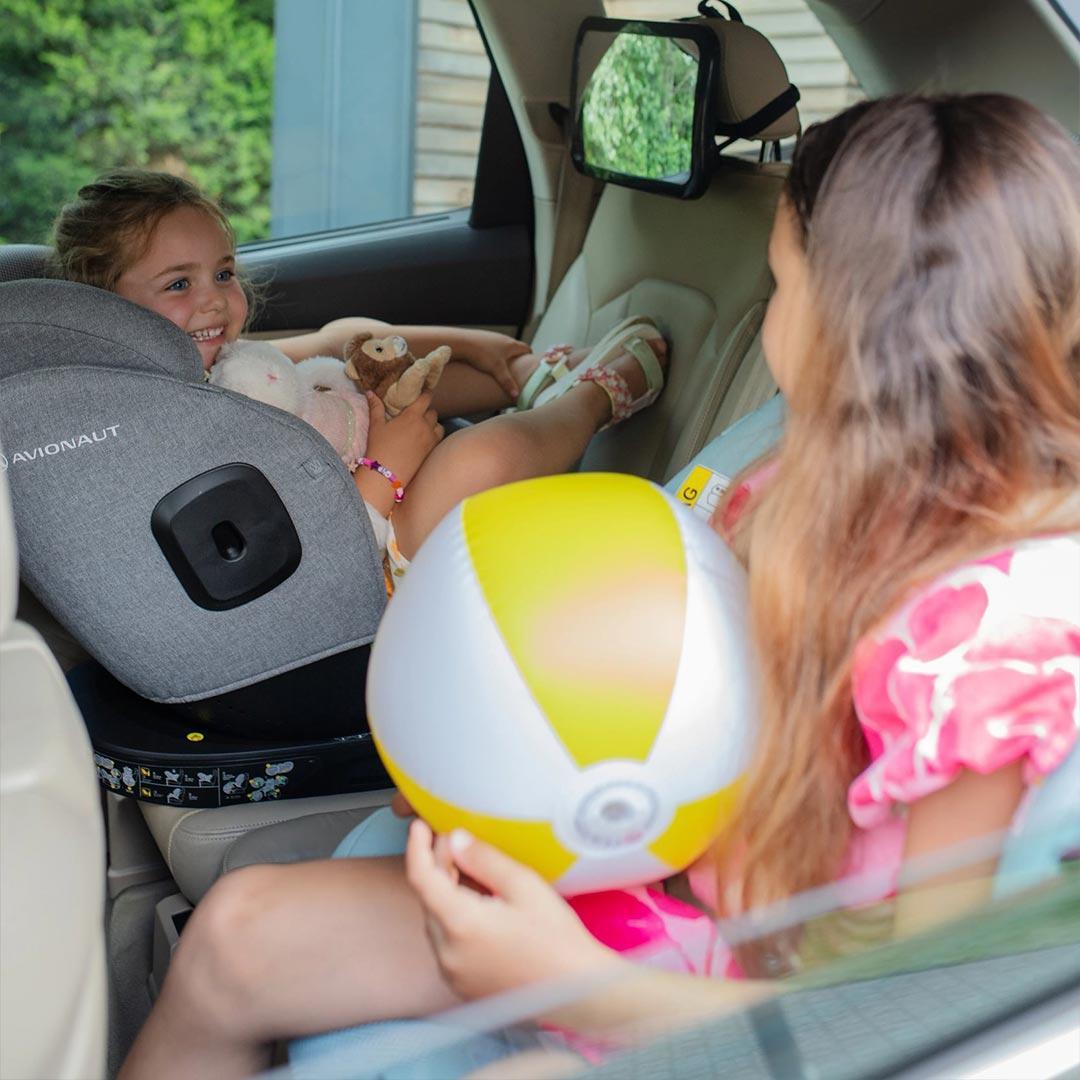
Rear facing vs forward facing car seat: what is the real difference?
The biggest difference is how each seat manages crash forces.
A rear-facing car seat supports your child’s head, neck and spine by spreading impact forces across the back of the seat. This matters because babies and toddlers have proportionally larger heads and far less developed neck muscles than adults. In a collision, that extra support can significantly reduce strain on the body.
A forward-facing car seat, by contrast, secures the child with a harness while the body moves forward in a crash. These seats are designed to protect children who are ready for that next stage, but they do not offer the same level of support for the head, neck and spine as rear-facing seats do.
That is why safety experts consistently advise keeping children rear-facing for as long as possible within the seat’s approved limits. It is not about hitting the earliest legal milestone and switching straight away. It is about using the safest option for the longest practical period.
Why rear-facing travel is safer
Rear-facing travel is the safest way for babies and young children to travel by car. In a frontal collision, which is one of the most serious and common types of crash, a rear-facing seat cradles the child and helps absorb the force more evenly. For a younger child in a forward-facing seat, the harness holds the torso back, but the head is thrown forward with much greater force.
Because a toddler’s bones and ligaments are still developing, that movement can place a much heavier load on the neck. This is where rear-facing wins the rear facing vs forward facing car seat debate so clearly. It is not simply a preference or a trend. It is rooted in how a child’s body develops and how crash protection works. Parents often worry that a child’s legs look cramped in a rear-facing seat.
In reality, children are usually far more flexible than adults expect. Bent legs, crossed legs, or feet resting against the vehicle seat are not generally a safety problem. Outgrowing a seat is based on the manufacturer’s height and weight limits, not on whether your child looks folded up.

What UK law says about rear-facing and forward-facing seats
In the UK, babies must use a rear-facing car seat until they are older than 15 months if they are travelling in an i-Size seat. That is the legal minimum, not the ideal time to move on for every child.
Even once your child is legally allowed to face forward, it does not mean they need to. If their seat allows extended rear-facing and they still fit comfortably within the stated limits, staying rear-facing is the better option. This is often where shopping carefully matters.
Premium car seat brands tend to offer clear stage guidance, thoughtful recline positions, and higher rear-facing limits, making it easier to keep your child in the safest setup for longer.
When should you switch from rear-facing to forward-facing?
There is no single age that suits every child. The right time depends on three things: your child’s height, your child’s weight, and the approved limit of your specific car seat. If your child is still within the rear-facing limits, there is usually no safety advantage to switching them early.
In fact, the opposite is true. A child who has reached 15 months is still better protected rear-facing for many more months, or even years, depending on the seat. A good rule is to ignore pressure from well-meaning friends and focus on fit.
If the top of your child’s head is approaching the permitted limit, or they have exceeded the stated height or weight for rear-facing use, then it is time to move to the next appropriate stage.
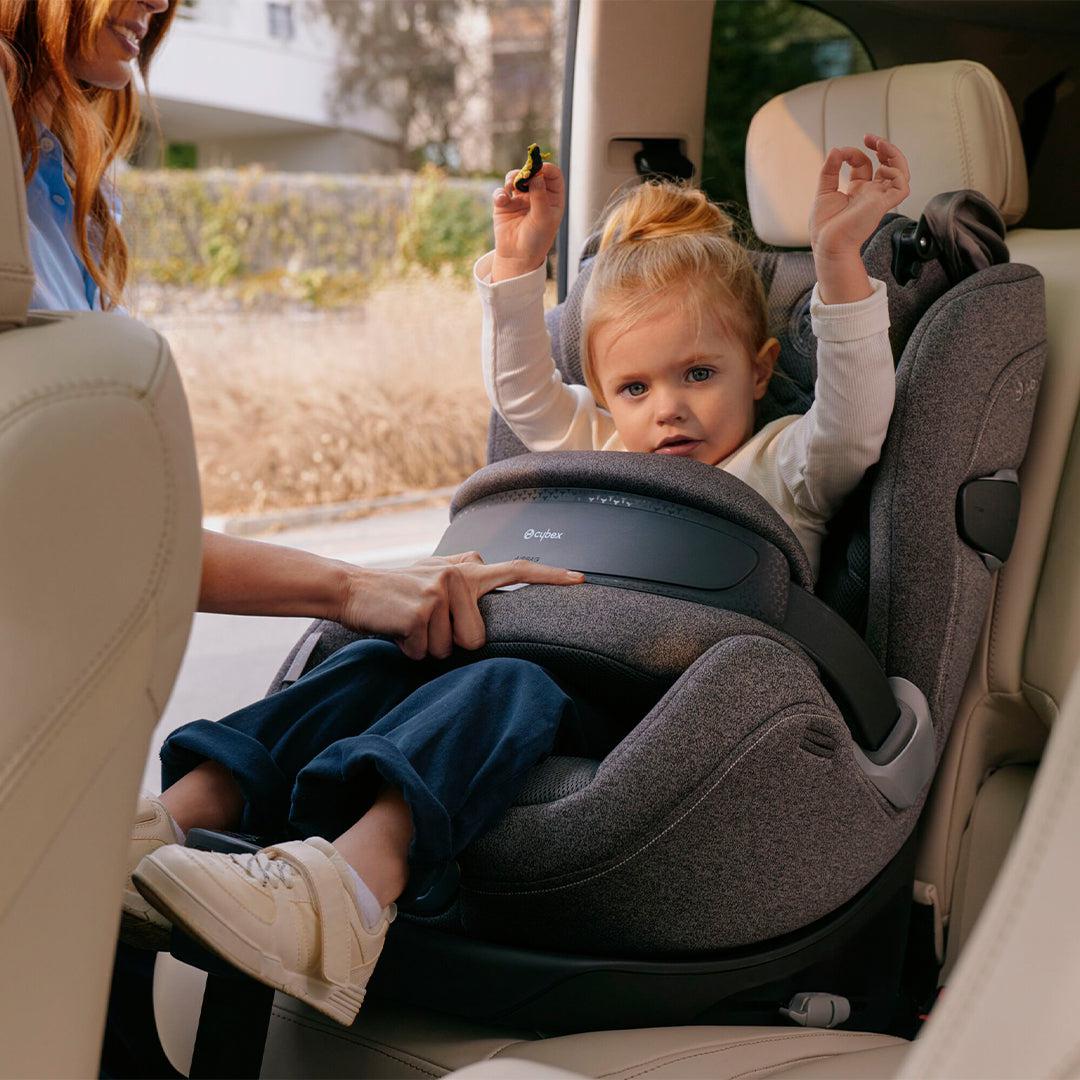
That next stage may be a forward-facing harness seat, or in some cases a rotating seat that offers both modes. Rotating car seats can be especially appealing for everyday ease, particularly if you are lifting a child in and out several times a day. The practical benefit is real, but the same principle applies - rear-facing for as long as the seat allows remains the best setup.
Common reasons parents switch too soon
The move to forward-facing often happens before it is necessary, and usually for understandable reasons. Sometimes it is because a child seems unhappy in the car and parents hope a new direction will solve it. Sometimes it is because grandparents remember older guidance.
Sometimes it is because the seat was bought with a shorter rear-facing limit and the next stage arrives sooner than expected. There is also the visual side of things. A larger toddler in a rear-facing seat can look as though they have outgrown it when they have not. Parents naturally want their child to be comfortable, but comfort and safety are not always judged by appearance alone. This is where expert guidance makes a difference.
Choosing a seat with longevity, clear fitting instructions and realistic day-to-day usability can help avoid an early switch that was never really needed.
Choosing the right seat for your child and your car
A car seat can be beautifully designed and safety tested, but it still needs to fit your child and your vehicle properly. If you are buying for a newborn, it is worth thinking beyond the first few months.
An infant carrier is convenient for those early journeys, especially as part of a travel system, but an extended rear-facing seat may offer longer use overall. For some families, that staged setup is ideal. For others, a multi-stage seat feels like the more considered investment.
If you are buying for an older baby or toddler, check the seat’s rear-facing limits carefully. Two products may look similar on paper but offer very different longevity. Recline positions, compactness, ease of harness adjustment and whether the seat rotates can all shape how practical it feels over time. It is also sensible to think about your wider lifestyle.
If you regularly do nursery drop-offs, school runs and weekend travel, convenience matters. If you are trying to shop more consciously, durability and extended use matter too. A seat that supports rear-facing for longer can often align better with both safety priorities and more thoughtful buying.
So which is better?
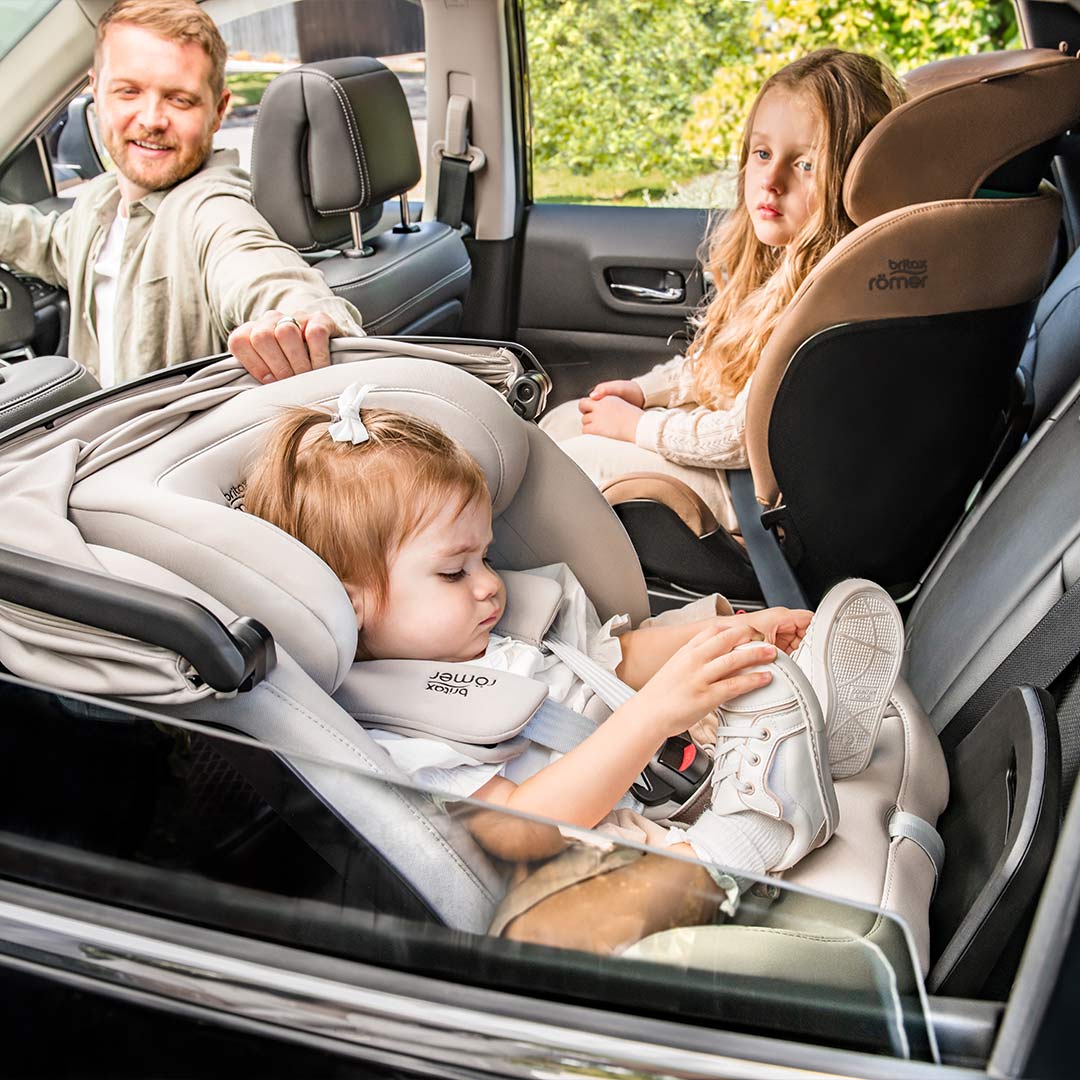
If the question is purely about safety, rear-facing is better for as long as your child remains within the seat’s approved limits. If the question is about when forward-facing becomes appropriate, the answer is when your child has genuinely outgrown rear-facing in that seat and is ready for the next stage.
Forward-facing seats absolutely have their place, and they are an essential part of your child’s travel journey. They are simply not the stage to rush towards. The most reassuring approach is usually the least hurried one.
Choose the best seat you can for your child’s current stage, understand its limits, and let those limits guide the transition rather than guesswork or outside opinion. If you are weighing up a rear facing vs forward facing car seat, the smartest decision is often to stay with rear-facing a little longer than you first expected.
For many parents, that is the choice that brings the most peace of mind every time the car door closes.


